Sleep apnea is a common sleep disorder that affects millions of people. It is characterized by interruptions in breathing during sleep, which can cause a range of symptoms such as snoring, fatigue, and headaches.
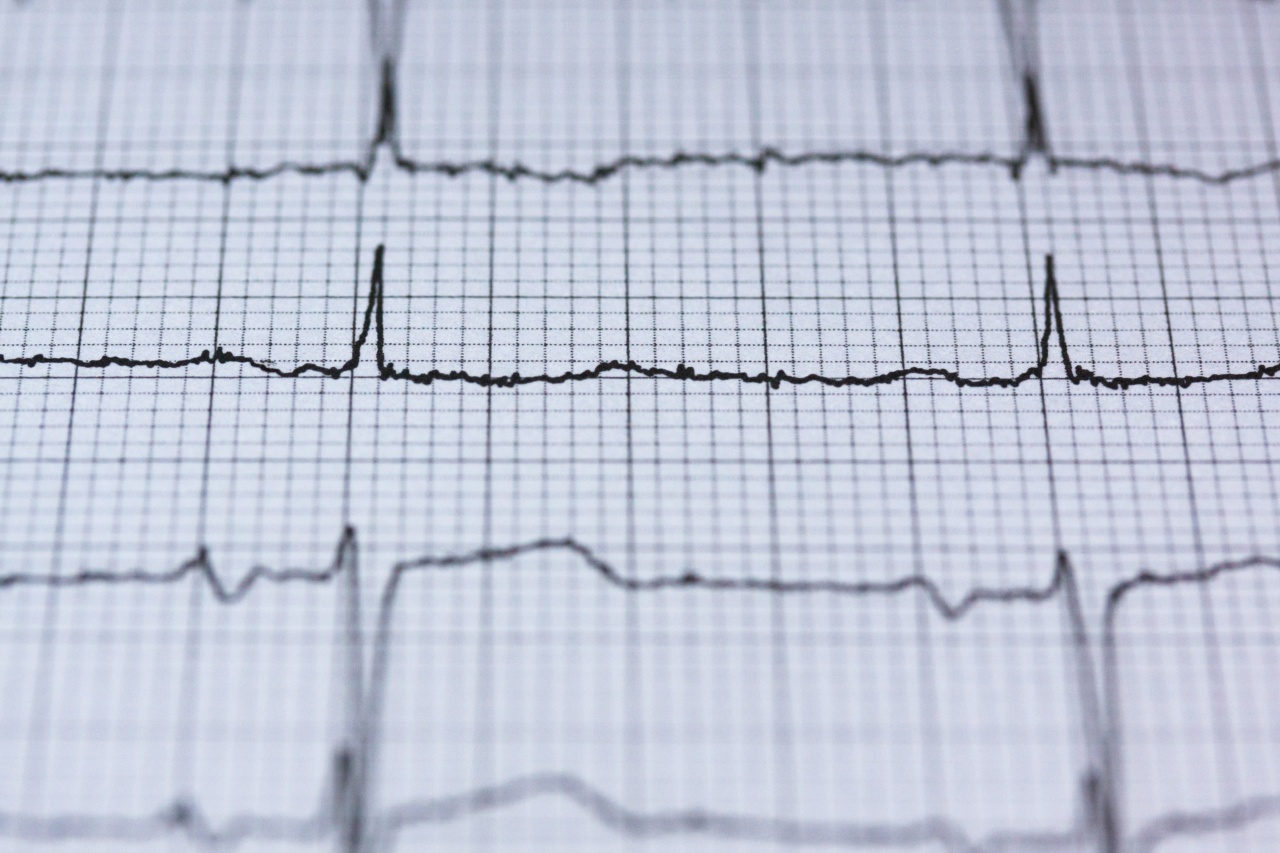
However, what many people don’t realize is that sleep apnea can also have a significant impact on heart health, particularly in terms of heart rhythm.
What is Sleep Apnea?
Before we dive into the link between sleep apnea and heart rhythm, let’s first take a closer look at what sleep apnea is. Sleep apnea is a disorder that causes an individual to stop breathing periodically during sleep.
These breathing interruptions can last anywhere from a few seconds to a minute and can occur multiple times throughout the night. There are three main types of sleep apnea:.
- Obstructive Sleep Apnea (OSA) – This occurs when there is a blockage in the airway, usually due to relaxed throat muscles or decreased muscle tone.
- Central Sleep Apnea (CSA) – This occurs when the brain fails to signal breathing muscles properly, leading to pauses in breathing.
- Complex Sleep Apnea Syndrome (CSAS) – This occurs when an individual has both OSA and CSA.
Regardless of the type of sleep apnea, the condition can be harmful to a person’s health, particularly if it is left untreated.
The Connection Between Sleep Apnea and Heart Rhythm
So what exactly is the link between sleep apnea and heart rhythm? According to research, sleep apnea can cause a variety of cardiovascular problems, including abnormalities in heart rate, rhythm, and blood pressure.
These issues occur because the repeated breathing disruptions caused by sleep apnea can result in a drop in oxygen levels in the blood, which can have detrimental effects on the heart.
One of the most common cardiovascular problems associated with sleep apnea is atrial fibrillation (AFib). This is a condition where the heart beats irregularly, leading to poor blood flow and a range of other symptoms.
A study published in the American Journal of Respiratory and Critical Care Medicine found that people with sleep apnea were 2.6 times more likely to develop AFib than those without the condition. This risk increased as the severity of sleep apnea increased.
Related Article
Sleep apnea: Effects on your heart rate

Other studies have found similar links between sleep apnea and other heart rhythm disorders, such as ventricular arrhythmias (VA) and bradyarrhythmias.
Ventricular arrhythmias involve irregular heartbeats in the lower chambers of the heart, while bradyarrhythmias are characterized by a low heart rate.
The Importance of Treatment
Given the serious risk that sleep apnea poses to heart health, it is crucial for individuals with the condition to seek treatment. The most common treatment for sleep apnea is continuous positive airway pressure (CPAP) therapy.
This involves wearing a mask over the mouth and nose during sleep, which delivers a continuous stream of air to keep the airway open and prevent breathing interruptions.
In addition to CPAP therapy, there are a range of other treatments that may be effective for sleep apnea, depending on the underlying cause of the condition.
These may include lifestyle changes such as weight loss or quitting smoking, medications to improve breathing, or surgery to correct structural abnormalities in the airway.
The Bottom Line
Sleep apnea is a common sleep disorder that affects millions of people. While it is often associated with symptoms such as snoring and fatigue, many individuals don’t realize that it can also pose significant risks to heart health.
Studies have found that sleep apnea can cause abnormalities in heart rhythm, leading to conditions such as atrial fibrillation, ventricular arrhythmias, and bradyarrhythmias. Fortunately, there are a variety of treatments available for sleep apnea, ranging from lifestyle changes to medication and surgery.
If you or a loved one have symptoms of sleep apnea, it is important to seek treatment to reduce the risk of heart-related complications.


