Health

Understanding Gallstones and Pregnancy

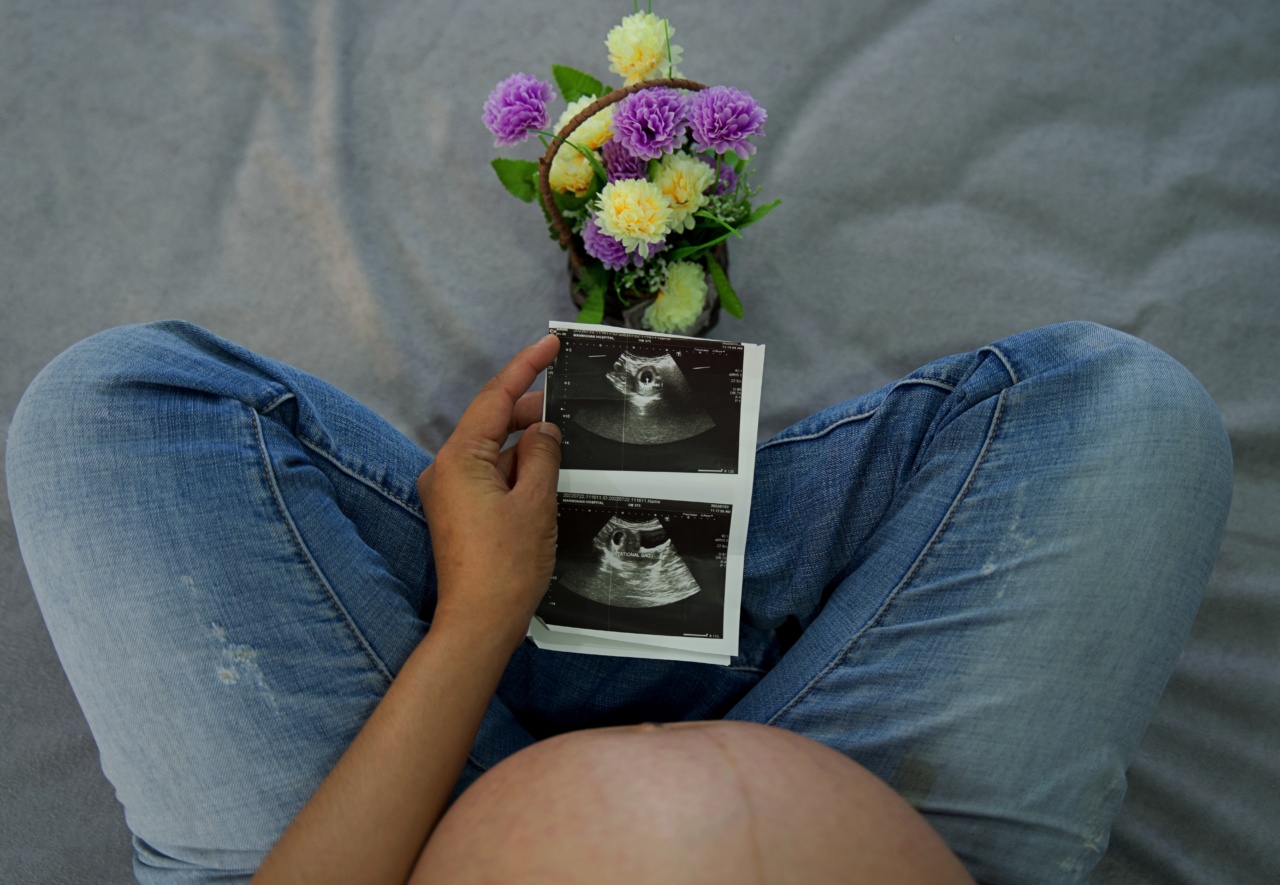
Gallstones are solid deposits that form in the gallbladder, which can cause pain and discomfort and can lead to serious complications if left untreated. Pregnancy is a time when women are at an increased risk for developing gallstones. In this article, we will explore the causes, symptoms, and treatment options for gallstones during pregnancy

Gallstones are solid deposits that form in the gallbladder, a small organ located under the liver. These deposits can vary in size, ranging from tiny grains of sand to large marbles.

Gallstones can cause pain and discomfort and can lead to serious complications if left untreated. Pregnancy is a time when women are at an increased risk for developing gallstones. In this article, we will explore the causes, symptoms, and treatment options for gallstones during pregnancy.

What causes Gallstones?

Gallstones form when there is an imbalance of bile salts, cholesterol, and calcium in the gallbladder. The exact cause of gallstones is still unknown, but certain risk factors have been identified. These include:.

  • Female gender
  • Age (over 40 years)
  • Obesity
  • Rapid weight loss or gain
  • Pregnancy
  • Genetic predisposition

Gallstones during Pregnancy

Pregnancy is a period when the body undergoes many changes. These changes affect the digestive system and can lead to the formation of gallstones. Hormonal changes during pregnancy can cause the gallbladder to contract less often and to empty less fully.

This can lead to a build-up of bile, which can then form gallstones. Pregnant women who are obese or who gain excessive weight during pregnancy are also at an increased risk for developing gallstones.

The symptoms of gallstones during pregnancy are similar to those that occur at other times. These can include:.

  • Abdominal pain, usually in the upper right quadrant
  • Nausea and vomiting
  • Bloating
  • Gas
  • Indigestion
  • Jaundice (yellowing of the skin and eyes)

Diagnosing Gallstones during Pregnancy

If you are pregnant and experiencing symptoms of gallstones, your doctor will likely order imaging tests to confirm the diagnosis. These may include:.

  • Ultrasound
  • Magnetic resonance cholangiopancreatography (MRCP)
  • Computed tomography (CT) scan

Your doctor may also order blood tests to check your liver function and to look for signs of infection or inflammation.

Treating Gallstones during Pregnancy

Treatment for gallstones during pregnancy depends on the severity of your symptoms. If you are experiencing mild symptoms, your doctor may recommend a wait-and-see approach.

Related Article How Gallstones Affect Pregnancy How Gallstones Affect Pregnancy

In most cases, the symptoms will improve within a few weeks or months after delivery. In the meantime, your doctor may prescribe pain medication or anti-nausea medication to help manage your symptoms.

If your symptoms are more severe, or if you develop complications such as inflammation of the gallbladder (cholecystitis) or infection (cholangitis), your doctor may recommend surgery to remove the gallbladder (cholecystectomy).

This can be done either during pregnancy or after delivery, depending on the timing of your symptoms and the risks associated with surgery during pregnancy.

If surgery is not an option, your doctor may recommend a procedure called endoscopic retrograde cholangiopancreatography (ERCP). During this procedure, a small tube is inserted through your mouth and into your digestive tract.

The tube is used to remove the gallstones or to open up the bile ducts to allow the stones to pass.

Preventing Gallstones during Pregnancy

There are some steps you can take to reduce your risk of developing gallstones during pregnancy. These include:.

  • Eating a healthy diet low in fat and cholesterol
  • Avoiding rapid weight gain or weight loss
  • Regular exercise
  • Drinking plenty of water

Conclusion

Gallstones during pregnancy can be a painful and uncomfortable condition, but the good news is that they usually resolve on their own after delivery.

If you are pregnant and experiencing symptoms of gallstones, it is important to talk to your doctor right away. With proper diagnosis and treatment, you can manage your symptoms and prevent complications.

Disclaimer: This article serves as general information and should not be considered medical advice. Consult a healthcare professional for personalized guidance. Individual circumstances may vary.
Also check Risk factors for maternal mortality during pregnancy Risk factors for maternal mortality during pregnancy Do you tire easily? Know your risk for heart disease and stroke Do you tire easily? Know your risk for heart disease and stroke Is Bacon a Major Contributor to Bowel Cancer? Is Bacon a Major Contributor to Bowel Cancer? How likely is depression in 15-year-olds? This tool will tell you How likely is depression in 15-year-olds? This tool will tell you Does Sugar Increase the Risk of Dementia? Does Sugar Increase the Risk of Dementia? Examining the Fundamental Differences between Male and Female Heart Attacks Examining the Fundamental Differences between Male and Female Heart Attacks Female-specific risk factors for asthma Female-specific risk factors for asthma The link between stretch marks and cancer The link between stretch marks and cancer The Link Between Diabetes and Kidney Disease: Symptoms & Risk Factors The Link Between Diabetes and Kidney Disease: Symptoms & Risk Factors Risk of thrombosis remains high after coronary infection Risk of thrombosis remains high after coronary infection Minimizing the Risk of Osteoporosis: Factors to Consider Minimizing the Risk of Osteoporosis: Factors to Consider Every year, osteoporosis claims the lives of many older adults. Every year, osteoporosis claims the lives of many older adults. Research findings show possible connection between birth control pills and breast cancer Research findings show possible connection between birth control pills and breast cancer The Anonymous Hazard That Puts Our Hearts at Risk The Anonymous Hazard That Puts Our Hearts at Risk Is Your Teenager at Risk for Type 2 Diabetes? Is Your Teenager at Risk for Type 2 Diabetes? The correlation between walking pace and stroke and heart attack The correlation between walking pace and stroke and heart attack Exploring the Connection Between Diabetes and Risk Factors Exploring the Connection Between Diabetes and Risk Factors Blood type and erectile dysfunction risk: What’s the link? Blood type and erectile dysfunction risk: What’s the link? Can these 5 questions predict Alzheimer’s? Can these 5 questions predict Alzheimer’s? The Hidden Link between Diabetes and Cardiovascular Disease The Hidden Link between Diabetes and Cardiovascular Disease How often should a child’s hearing be tested? How often should a child’s hearing be tested? Preventing Alzheimer’s: How Early Should You Start? Preventing Alzheimer’s: How Early Should You Start? Steaming Ahead: A New Threat to Diabetes Prevention Steaming Ahead: A New Threat to Diabetes Prevention How likely are you to develop high blood pressure? How likely are you to develop high blood pressure? Completed 5-year study on cardiovascular disease in Elafonissos under PERSEAS program Completed 5-year study on cardiovascular disease in Elafonissos under PERSEAS program Understanding the Global Impact of COPD Understanding the Global Impact of COPD Postpartum depression predictor test for new mothers Postpartum depression predictor test for new mothers The 42% solution: Easy everyday tips to avoid heart failure The 42% solution: Easy everyday tips to avoid heart failure What puts you at risk for a repeat infarction? What puts you at risk for a repeat infarction?
To top