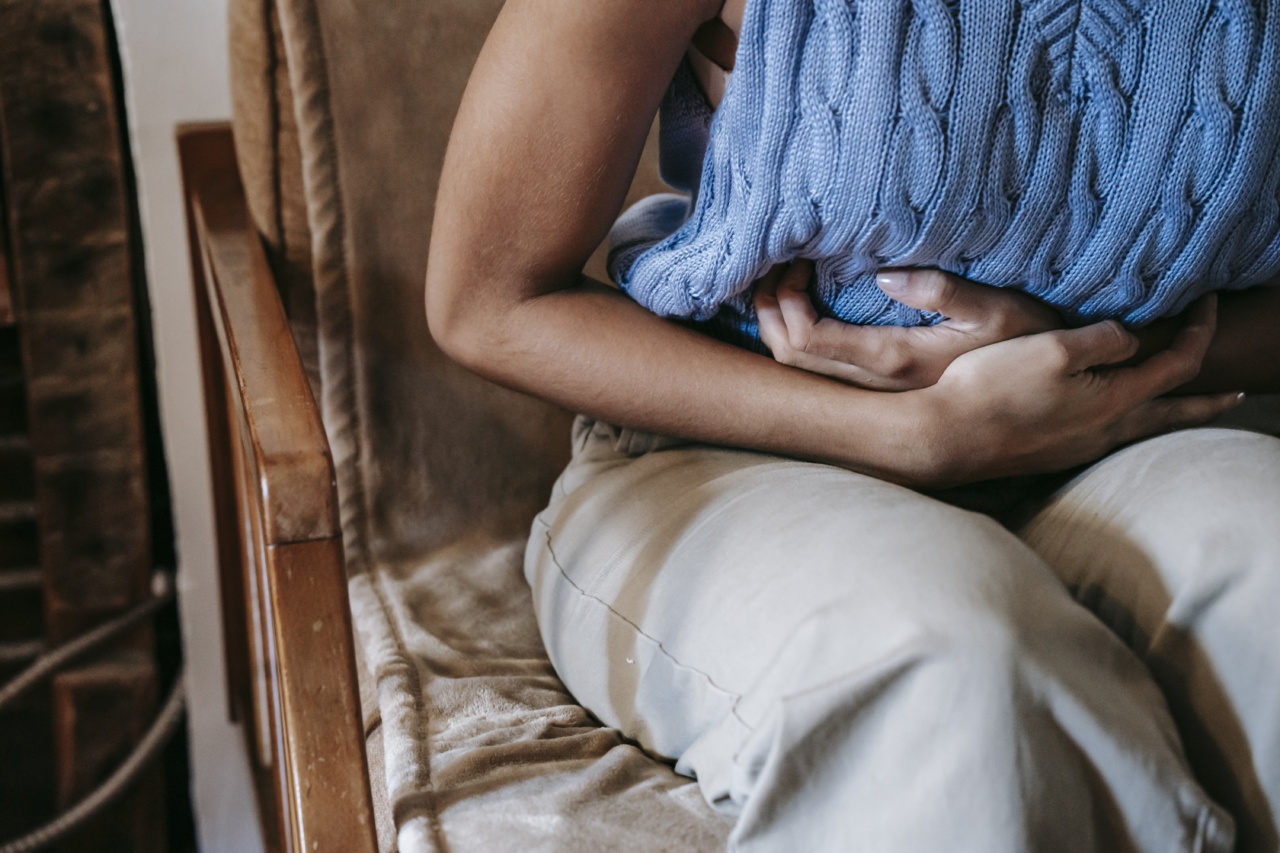
The menstrual cycle is a significant part of a woman’s life. It is a natural process that takes place every month, and it signals the onset of puberty, fertility, and eventually menopause.
However, for some women, experiencing symptoms of a period without bleeding can be a confusing and frustrating experience. Several factors can cause period-like symptoms without an actual period. In this article, we will explore the common causes and possible treatment options.
1. Perimenopause
Perimenopause is the time period before menopause when a woman’s ovaries gradually start producing less estrogen.
During perimenopause, women may experience fluctuating hormone levels, which can cause several symptoms similar to those of menstruation, such as mood swings, hot flashes, and irregular periods. These symptoms can occur for several years before menopause.
2. Polycystic Ovary Syndrome (PCOS)
Polycystic Ovary Syndrome is a hormonal disorder that affects women of reproductive age. PCOS causes an increase in the production of male hormones (androgens), which can lead to irregular periods, acne, weight gain, and hair growth on the face or body.
Women with PCOS may also experience pelvic pain, bloating, and menstrual cramps without menstruation.
3. Uterine Fibroids
Uterine Fibroids are non-cancerous growths that develop in the uterus. These growths can cause a variety of symptoms, including heavy periods, pelvic pain, and bloating.
Women with uterine fibroids may also experience cramping without menstruation and lower back pain.
4. Endometriosis
Endometriosis is a condition where the tissue that lines the uterus grows abnormally outside of the uterus. The condition can cause severe cramping, pelvic pain, and heavy periods.
Women with endometriosis may also experience bleeding in between periods and pain during intercourse.
5. Stress
Stress can also cause menstrual-like symptoms without bleeding. Stress can affect the hypothalamus, which controls the release of hormones that regulate the menstrual cycle. This can cause irregular periods and other menstrual-like symptoms.
Stress can also cause physical symptoms such as headaches, backaches, and fatigue.
6. Thyroid Disorders
The thyroid gland releases hormones that help regulate the body’s metabolism.
Related Article
The Hidden Dangers of Period-Like Symptoms

Thyroid disorders such as hypothyroidism, where the gland doesn’t produce enough hormones, or hyperthyroidism, where too many hormones are produced, can cause menstrual irregularities, including missed periods, heavy periods, and cramping without menstruation.
7. Eating Disorders
Eating disorders such as anorexia and bulimia can also cause menstrual-like symptoms without bleeding.
When the body doesn’t receive enough nutrients, it can disrupt hormone production, leading to irregular periods or the cessation of periods altogether.
8. Medications
Several medications can cause menstrual irregularities or symptoms without an actual period. These include hormonal contraceptives, antidepressants, and blood thinners.
It is essential to talk to a healthcare professional before discontinuing any medication.
9. Pregnancy
Pregnancy is the most common reason for menstrual-like symptoms without a period. If a woman experiences cramping, bloating, breast tenderness, and other period symptoms without bleeding, it may be a sign of pregnancy.
10. Cancer
Although rare, certain cancers such as ovarian or uterine cancer can cause menstrual-like cramps and pelvic pain without bleeding. It is essential to see a healthcare professional if these symptoms persist or worsen.
Treatment Options
The treatment for menstrual-like symptoms without bleeding depends on the underlying cause. For example, hormonal birth control may be an effective treatment for those with PCOS or endometriosis.
If stress is the cause, relaxation techniques and stress management may help alleviate symptoms.
If the symptoms are due to an underlying medical condition such as fibroids or thyroid disorders, treatment options may include surgery or medication.
It is essential to talk to a healthcare professional about the best treatment options for individual symptoms and situations.
Conclusion
Experiencing menstrual-like symptoms without bleeding can be a challenging experience for women. The causes can range from natural processes such as perimenopause to underlying medical conditions such as PCOS or endometriosis.
Understanding the underlying cause is the key to finding an effective treatment. It is important to talk to a healthcare professional about any persistent or worsening symptoms.


