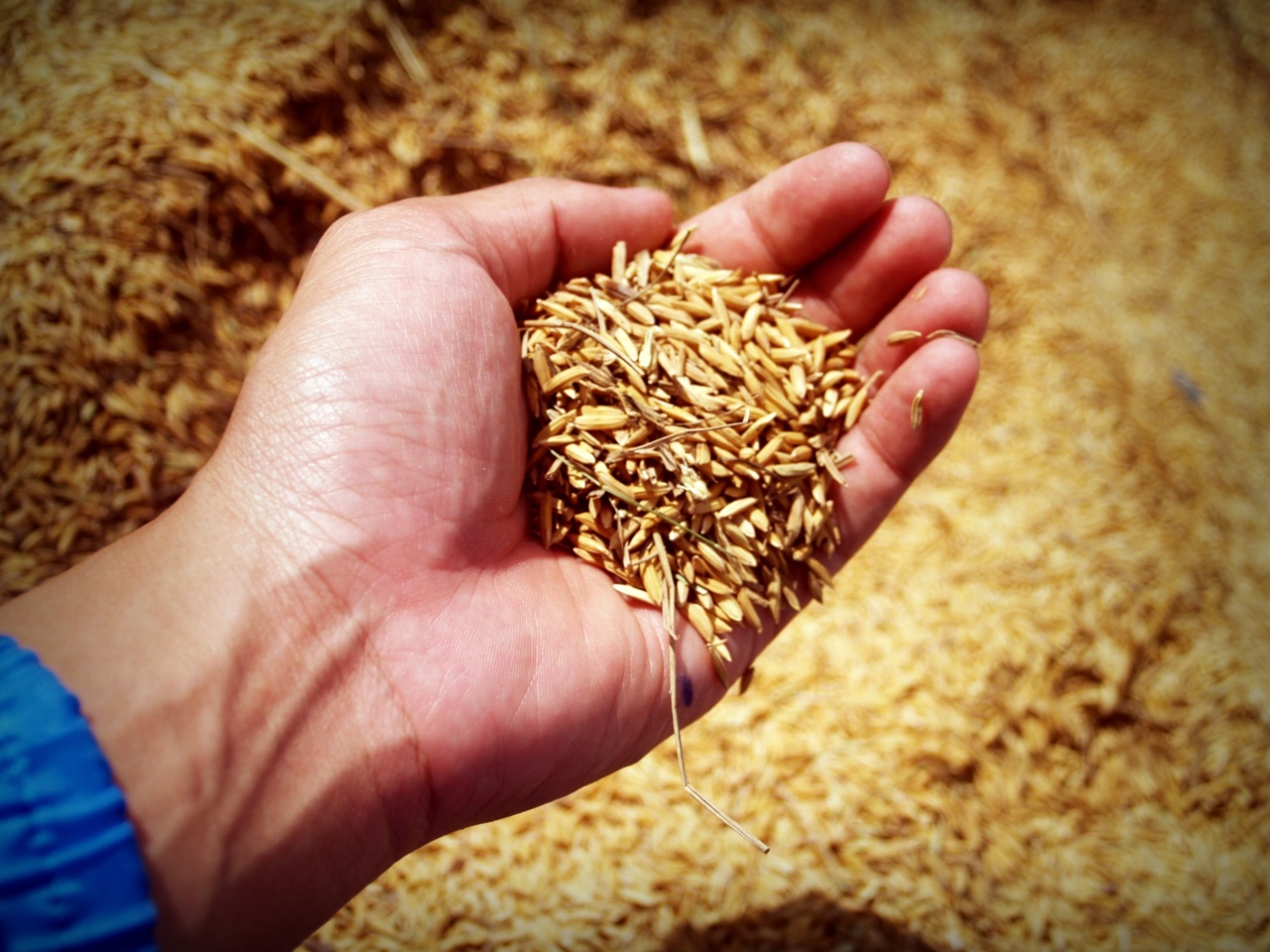
Whole grains are cereal grains that contain all parts of the grain kernel, including the bran, germ, and endosperm.
This means that they are more nutritious compared to refined grains, as they retain essential nutrients such as fiber, vitamins, and minerals. Common whole grains include wheat, oats, brown rice, barley, corn, and quinoa.
The Nutritional Benefits of Whole Grains
Whole grains offer numerous health benefits, particularly for cardiovascular health. They are an excellent source of dietary fiber, which aids in digestion and helps regulate blood sugar levels.
Additionally, whole grains are rich in vitamins B and E, as well as minerals like magnesium, iron, and selenium.
Fiber and Cardiovascular Health
One of the key reasons why whole grains are beneficial for cardiovascular health is their fiber content. Soluble fiber, found in abundance in whole grains, has been associated with lower levels of LDL (bad) cholesterol.
High LDL cholesterol is a major risk factor for heart disease and stroke.
When consumed as part of a balanced diet, whole grains can help reduce total cholesterol levels and improve heart health. The fiber in whole grains also promotes a feeling of fullness, which can aid in weight management.
Maintaining a healthy weight is crucial for preventing several cardiovascular conditions.
The Role of Whole Grains in Reducing Hypertension
Hypertension, or high blood pressure, is a common cardiovascular condition that significantly increases the risk of heart disease and stroke.
Whole grains can play a beneficial role in managing blood pressure levels due to their mineral content, particularly potassium and magnesium.
Both potassium and magnesium help regulate blood pressure by counteracting the effects of sodium. A diet rich in whole grains ensures an adequate intake of these minerals, which is crucial for maintaining healthy blood pressure levels.
Whole Grains and Inflammation
Chronic inflammation is believed to be a contributing factor to many chronic diseases, including cardiovascular conditions. Whole grains contain antioxidants and anti-inflammatory compounds that can help reduce inflammation in the body.
Furthermore, the fiber present in whole grains nourishes beneficial gut bacteria, leading to a healthier gut microbiome. A balanced gut microbiome is associated with reduced inflammation and a lower risk of developing cardiovascular diseases.
Choosing and Incorporating Whole Grains
To enjoy the cardiovascular benefits of whole grains, it is essential to choose whole grain products over refined grain alternatives.
When selecting bread, pasta, or cereal, opt for those labeled as “100% whole grain.” Look for whole grain flour as an ingredient and ensure it appears within the first few items on the ingredient list.
Incorporating whole grains into your diet can be delicious and easy. Start by replacing refined grain products with whole grain alternatives. For example, swap white rice for brown rice or quinoa, and choose whole grain bread for sandwiches.
Experiment with different whole grain varieties to add variety and diverse nutritional benefits to your meals.
Related Article
The power of whole grains to prevent cardiovascular disease

Whole Grains and Weight Management
Weight management plays a crucial role in maintaining cardiovascular health. Whole grains can contribute to weight loss and weight maintenance due to their high fiber content and ability to promote satiety.
Foods rich in fiber take longer to digest, keeping you feeling fuller for longer periods. This can reduce overall calorie intake and prevent overeating.
Additionally, the steady release of energy from whole grains can help regulate blood sugar levels, avoiding cravings and blood sugar spikes.
The Importance of Portion Control
While whole grains offer numerous health benefits, it is important to consume them in moderation. Portion control is crucial to maintaining a balanced diet and preventing excessive calorie intake.
Whole grains should be part of a well-rounded meal that also includes lean protein, fruits, vegetables, and healthy fats.
Remember that an excessive intake of calories, even from whole grain sources, can contribute to weight gain and other health issues.
Whole Grains and Healthy Recipes
Adding whole grains to your meals can be simple and enjoyable. Here are a few ideas for incorporating more whole grains into your diet:.
1. Start your day with a hearty bowl of oatmeal topped with fresh fruits and nuts.
2. Use whole wheat flour or oats instead of refined flour in your baking recipes.
3. Enjoy a colorful salad with quinoa instead of traditional grains.
4. Swap white rice for brown rice or wild rice in your stir-fries and pilafs.
5. Experiment with different types of whole grain pasta, such as whole wheat or brown rice pasta.
Conclusion
Incorporating whole grains into your diet can significantly contribute to your cardiovascular health.
They provide essential nutrients, promote healthy cholesterol levels, aid in weight management, and reduce the risk of hypertension and chronic inflammation.
Remember to read labels carefully and choose products labeled as “100% whole grain” to ensure you are getting the full nutritional benefits.
Combine whole grains with a balanced diet, exercise, and regular check-ups to maintain overall cardiovascular wellness.


