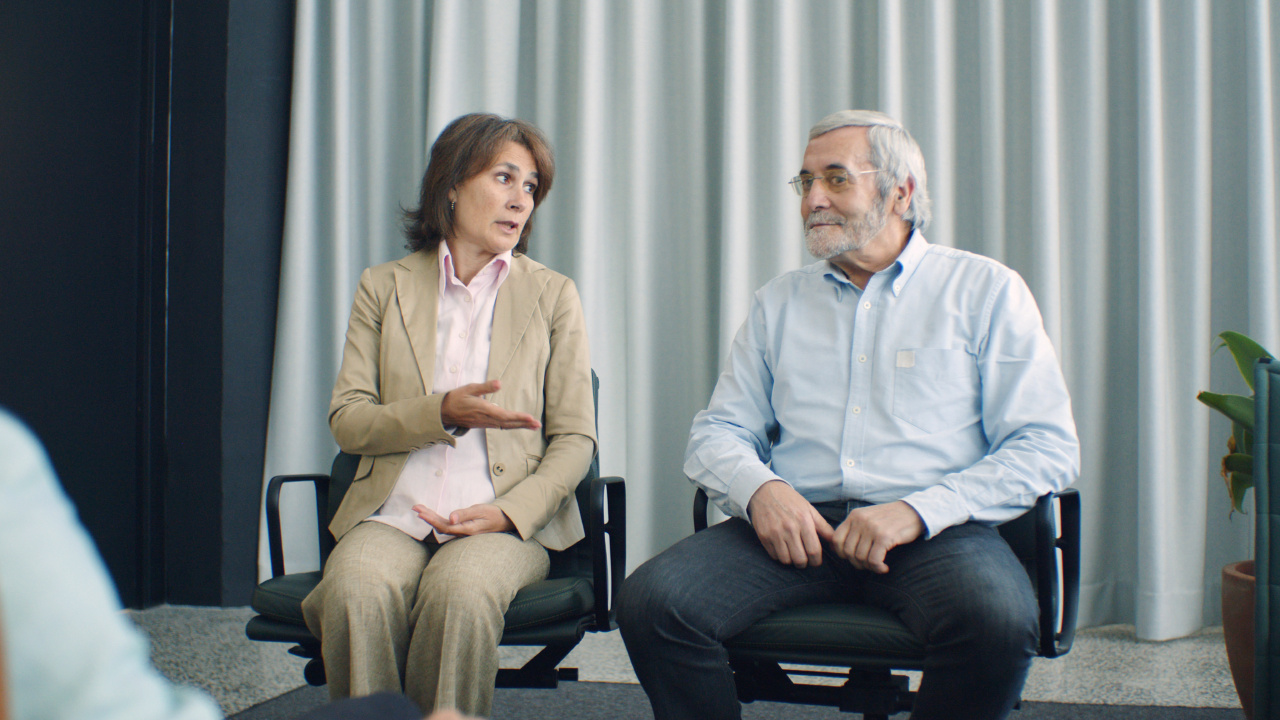
Psychotherapy, also known as talk therapy, is a therapeutic approach that focuses on helping individuals explore and resolve their emotional and psychological challenges.
While it is commonly associated with mental health conditions such as depression or anxiety, psychotherapy has also proven to be highly beneficial for individuals with dementia.
Understanding dementia
Dementia is a degenerative neurological condition that affects memory, thinking, behavior, and the ability to perform everyday tasks.
It is most commonly caused by Alzheimer’s disease, but it can also be a result of other conditions such as vascular dementia or Parkinson’s disease.
Individuals with dementia often experience a range of distressing symptoms including memory loss, confusion, personality changes, and difficulty with language and problem-solving.
These symptoms can significantly impact their quality of life and result in increased anxiety, depression, and social isolation.
The role of psychotherapy in dementia care
While there is no cure for dementia, psychotherapy can play a valuable role in enhancing the overall well-being and quality of life for dementia patients.
It provides a supportive and therapeutic environment where individuals can express their emotions, fears, and concerns amidst the challenges posed by their condition.
Here are some of the significant benefits of psychotherapy for dementia patients:.
1. Emotional support and validation
A diagnosis of dementia can be emotionally overwhelming for both the patient and their family members. Psychotherapy offers a safe space for individuals to express their emotions and receive validation for their experiences.
This support can help reduce feelings of anxiety, depression, and loneliness.
2. Cognitive stimulation
Engaging in psychotherapy sessions can provide cognitive stimulation for individuals with dementia. The therapeutic conversations and activities involved can help improve memory, language skills, and overall cognitive functioning.
Regular stimulation of the brain may even slow down the progression of cognitive decline.
3. Promoting a sense of control
Psychotherapy can empower individuals with dementia by helping them maintain a sense of control over their lives. Through therapy, they can explore coping strategies, set achievable goals, and make decisions about their own care.
This sense of control contributes to their sense of dignity and self-worth.
4. Managing behavioral symptoms
Dementia can often lead to challenging behavioral symptoms such as aggression, agitation, and verbal or physical outbursts.
Psychotherapy can help individuals and their caregivers understand the underlying causes of these behaviors and develop strategies to manage them effectively. It may involve techniques such as relaxation exercises, behavior tracking, and implementing structured routines.
5. Enhancing relationships
Living with dementia can strain relationships with family members and caregivers. Psychotherapy can provide a platform for open and honest communication, helping to address any conflicts or misunderstandings.
Related Article
Understanding the connection between dementia and mental health

Family members can also benefit from therapy sessions by gaining a better understanding of the challenges faced by their loved one and acquiring effective strategies for providing support.
6. Reducing caregiver burden
Caring for someone with dementia can be physically and emotionally exhausting for caregivers. Psychotherapy can help caregivers manage their own stress levels, improve coping mechanisms, and prevent burnout.
It offers a supportive space for them to discuss their feelings, concerns, and learn valuable strategies for self-care.
7. Promoting acceptance and adaptation
Psychotherapy assists individuals with dementia in accepting their condition and adapting to the changes it brings. It helps them find meaning and purpose in their lives despite the challenges they face.
By exploring their strengths and personal values, individuals can develop resilience and focus on the aspects of life that bring them joy and fulfillment.
8. Preventing social isolation
Dementia can often lead to social withdrawal and isolation due to communication difficulties and the stigma associated with the condition.
Psychotherapy provides a supportive environment where individuals can connect with others who are going through similar experiences. Group therapy sessions can promote social interaction, reduce feelings of loneliness, and foster a sense of belonging.
9. Improving overall well-being
Through the various benefits mentioned above, psychotherapy contributes to the overall well-being of individuals with dementia.
It helps them maintain a positive self-image, manage distressing symptoms, and lead a more fulfilling life despite the challenges they face.
Types of psychotherapy for dementia patients
There are various types of psychotherapy that can be beneficial for individuals with dementia:.
1. Cognitive-Behavioral Therapy (CBT)
Cognitive-Behavioral Therapy helps individuals identify negative thought patterns and behaviors and replace them with more positive and adaptive ones. It can contribute to managing depressive symptoms and improving overall mental well-being.
2. Reminiscence Therapy
Reminiscence Therapy involves recalling and discussing past events and experiences to stimulate memory and improve mood. It can enhance self-esteem, cognitive function, and communication skills.
3. Supportive Therapy
Supportive Therapy provides emotional support, validation, and guidance for individuals with dementia. It focuses on exploring coping mechanisms and addressing emotional concerns to improve overall well-being.
4. Art Therapy
Art Therapy utilizes various art forms to facilitate self-expression and emotional processing. It can provide individuals with dementia an outlet for creativity, communication, and stress reduction.
5. Music Therapy
Music Therapy involves using music and rhythm to stimulate memories, improve mood, and facilitate communication. It can be particularly effective in individuals with dementia due to the strong emotional connections often associated with music.
Conclusion
Psychotherapy offers significant benefits for individuals with dementia, providing emotional support, cognitive stimulation, and improved overall well-being.
It plays a crucial role in helping individuals and their caregivers navigate the challenges associated with this degenerative condition. By enhancing communication, promoting acceptance, and improving relationships, psychotherapy contributes to a higher quality of life for both the individuals with dementia and their caregivers.


