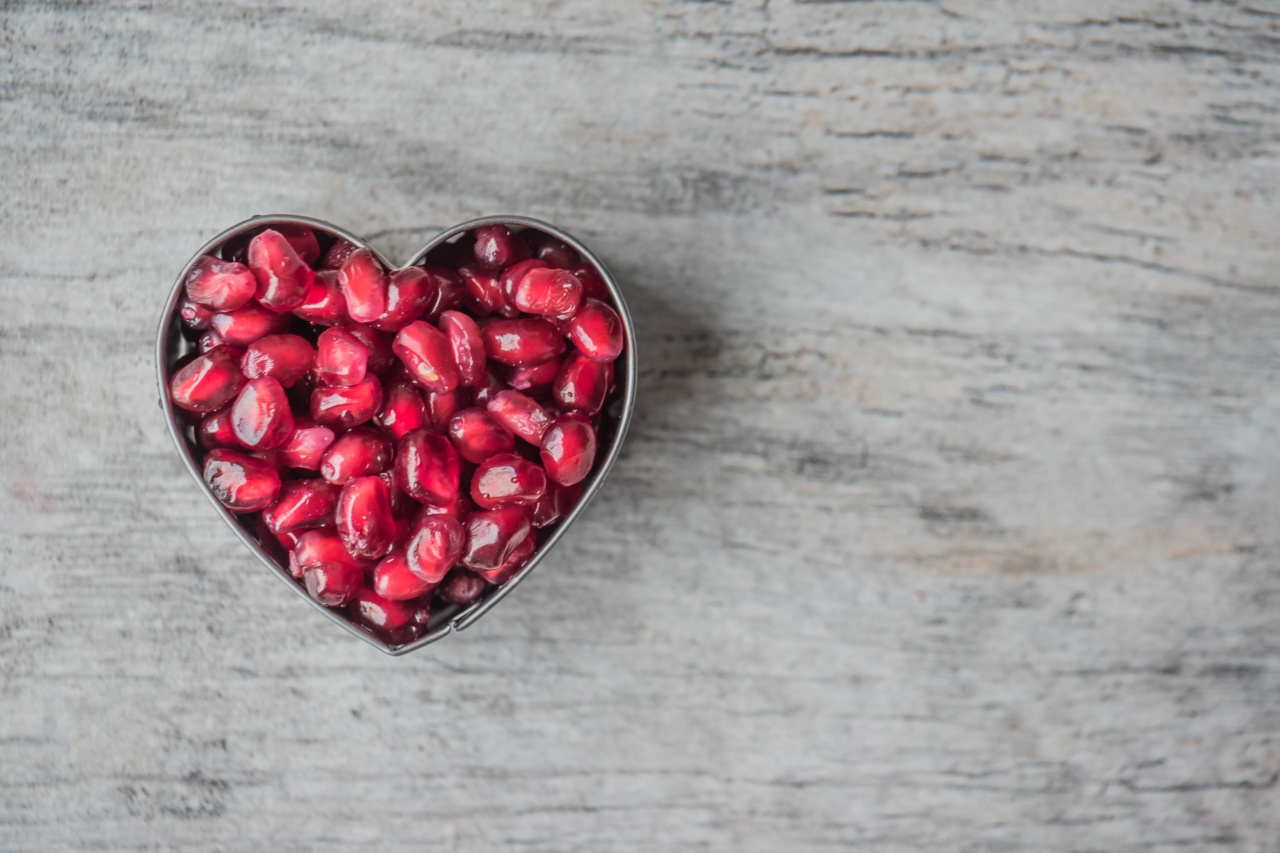
The heart is one of the most important organs in the body that pumps blood to deliver oxygen and nutrients to every part of the body. It is important to take care of the heart to prevent it from diseases such as stroke, heart attack, and hypertension.
Apart from exercise, lifestyle changes, and medical treatments, some foods can help prevent heart damage, heart disease, and improve overall heart health. Here are 10 foods that you can include in your diet to keep your heart healthy.
1. Fatty fish
Fatty fish such as salmon, sardines, and mackerel are excellent sources of omega-3 fatty acids. Omega-3 fatty acids are healthy fats that can reduce inflammation, lower blood pressure, prevent blood clotting, and reduce the risk of heart disease.
A study published in the American Journal of Clinical Nutrition found that subjects who ate fatty fish twice a week had a lower risk of heart disease than those who ate fish less than once a month.
2. Berries
Berries such as strawberries, blueberries, blackberries, and raspberries are high in antioxidants such as polyphenols. Polyphenols can reduce inflammation and improve blood vessel function, which can help prevent heart disease.
A study published in Circulation found that women who ate more than three servings of strawberries or blueberries per week had a lower risk of heart attack.
3. Nuts
Nuts such as almonds, walnuts, and pistachios are high in fiber, healthy fats, and protein.
A study published in the Journal of the American College of Cardiology found that subjects who ate nuts five times a week or more reduced their risk of heart disease by 14% compared to those who rarely ate nuts.
4. Dark chocolate
Dark chocolate is high in flavonoids, an antioxidant that can help reduce inflammation, lower blood pressure, and improve blood vessel function.
A study published in The American Journal of Clinical Nutrition found that subjects who ate dark chocolate for two weeks had better blood vessel function than those who did not eat chocolate.
5. Legumes
Legumes such as lentils, chickpeas, and beans are high in fiber, protein, and minerals such as potassium, magnesium, and calcium.
A study published in the American Journal of Clinical Nutrition found that subjects who ate legumes four times a week had a lower risk of heart disease than those who ate legumes less than once a week.
Related Article
The Role of Nutrition in Heart Health

6. Vegetables
Vegetables such as spinach, kale, broccoli, and carrots are high in fiber, antioxidants, vitamins, and minerals.
A study published in the American Journal of Clinical Nutrition found that subjects who ate more green leafy vegetables had a lower risk of heart disease.
7. Olive oil
Olive oil is high in monounsaturated fatty acids, a healthy fat that can lower LDL or bad cholesterol and reduce the risk of heart disease.
A study published in the New England Journal of Medicine found that subjects who used olive oil as a replacement for other fats reduced their risk of heart disease by 30%.
8. Green tea
Green tea is high in flavonoids and catechins that can reduce inflammation, lower blood pressure, and improve blood vessel function.
A study published in the Journal of the American Medical Association found that subjects who drank five or more cups of green tea a day had a lower risk of heart disease.
9. Whole grains
Whole grains such as brown rice, quinoa, barley, and oats are high in fiber, vitamins, and minerals. A study published in the American Journal of Clinical Nutrition found that subjects who ate more whole grains had a lower risk of heart disease.
10. Avocado
Avocado is high in monounsaturated fatty acids, vitamins, and minerals such as potassium and magnesium.
A study published in the Journal of the American Heart Association found that subjects who ate one avocado a day for five weeks reduced their LDL or bad cholesterol levels.
Conclusion
Incorporating these 10 heart-healthy foods into your diet can improve your overall heart health, reduce the risk of heart disease and its complications, and improve your quality of life.
Apart from including these foods, it is also important to exercise regularly, quit smoking, manage stress, and maintain a healthy weight.


