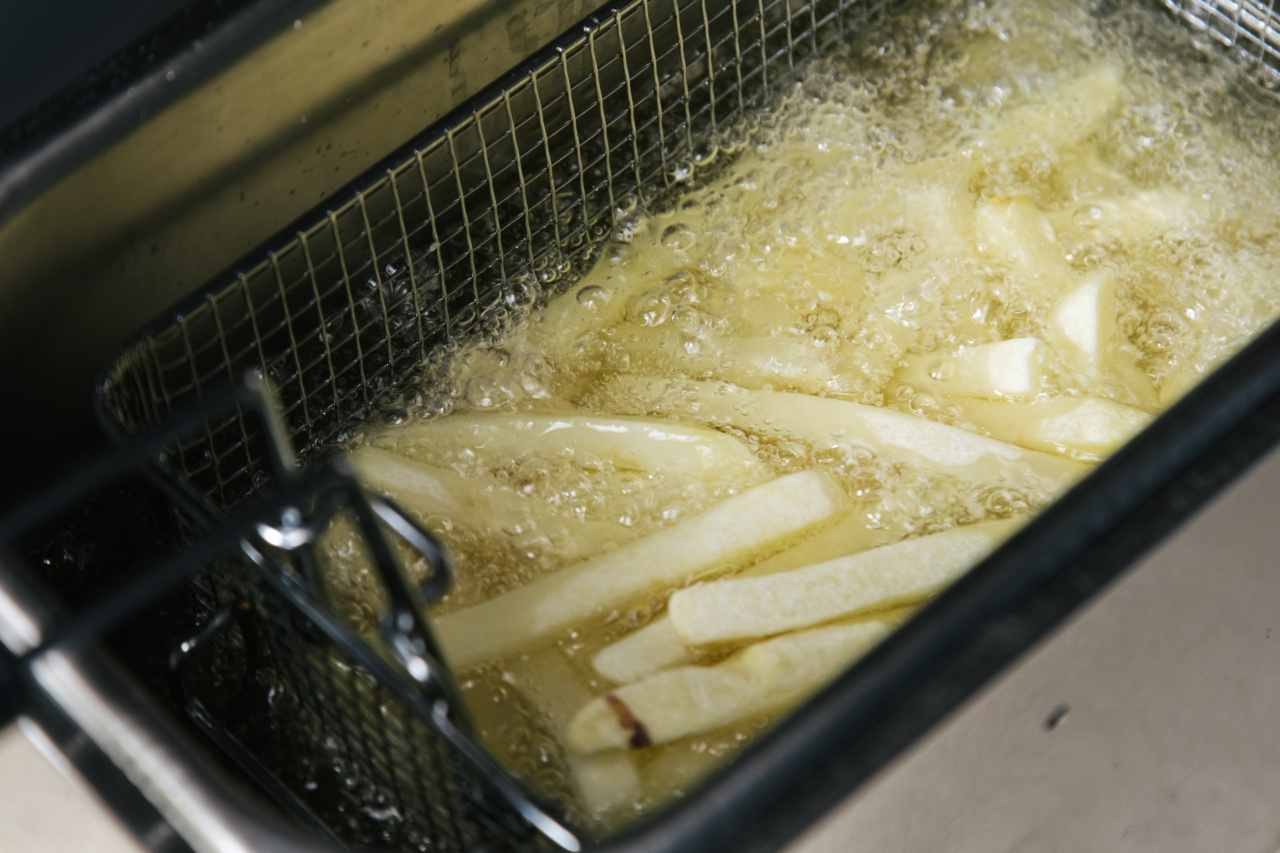
Fried food is a guilty pleasure for many, offering a delectable and satisfying crunch. Whether it’s french fries, fried chicken, or tempura, there’s no denying the allure of these indulgent treats.
However, it is also common knowledge that indulging in fried delights too often can have negative effects on our health.
That being said, there’s a way to make the occasional fried food experience a little less guilt-inducing – by using an antioxidant-rich oil for frying.
A choice of oil can make a significant difference not only in the taste of your fried food but also in its health benefits.
Understanding Antioxidants and Their Role
Before we delve into the benefits of using antioxidant-rich oil for frying, let’s first understand what antioxidants are and why they matter.
Antioxidants are compounds that help protect our bodies from free radicals – unstable molecules that can cause damage to our cells. By neutralizing these free radicals, antioxidants play a critical role in reducing inflammation and oxidative stress, which, if left unchecked, can contribute to the development of chronic diseases such as heart disease, cancer, and diabetes.
The Impact of Frying on Oil
Frying is a cooking method that involves submerging food in hot oil, typically at temperatures above 300°F (150°C). The high heat used in frying can cause oxidation of the oil, leading to the formation of harmful compounds.
These compounds include free radicals and toxic byproducts, such as polar compounds and trans fats, which increase the risk of inflammation and oxidative stress in the body when consumed.
Additionally, when oil is exposed to high heat repeatedly, it undergoes a process called thermal degradation. This degradation not only affects the nutritional composition of the oil but also alters its flavor, aroma, and overall quality.
To combat this problem, it is essential to choose an oil that is stable at high temperatures and has a high smoke point to withstand the frying process without breaking down.
The Benefits of Antioxidant-Rich Oil for Frying
Now that we understand the negative effects frying can have on oil, let’s explore the benefits of using antioxidant-rich oil for this cooking method:.
1. Protection against Oxidative Stress
Antioxidant-rich oils, such as olive oil, avocado oil, and coconut oil, contain compounds like polyphenols, tocopherols (vitamin E), and carotenoids.
These antioxidants help protect the oil from oxidation and prevent the formation of harmful free radicals during the frying process. By reducing oxidative stress, antioxidant-rich oils can help minimize inflammation and promote overall well-being.
2. Maintenance of Nutritional Integrity
Unlike oils low in antioxidants, which can lose essential nutrients due to oxidation, antioxidant-rich oils retain their nutritional value even after being subjected to high heat.
This means that your fried foods can still provide some vital nutrients, such as vitamins and healthy fats, despite the cooking process.
3. Enhanced Flavor and Aroma
Antioxidant-rich oils often possess distinctive flavors and aromas derived from their antioxidants. Using these oils for frying can add a delightful and unique taste to your fried dishes.
For example, extra virgin olive oil imparts a rich, fruity note, while coconut oil offers a subtly sweet and nutty flavor.
4. Longer Shelf Life
The presence of antioxidants in oil can also extend its shelf life. Antioxidant-rich oils are less prone to oxidation, which means they are less likely to become rancid over time.
This is particularly important in commercial frying operations where large quantities of oil are used, as it reduces unnecessary waste and costs.
5. Lower Formation of Harmful Compounds
When frying food at high temperatures, some oils can break down and form harmful compounds like trans fats and polar compounds. These compounds have been linked to various health issues, including increased risk of cardiovascular disease.
Choosing an antioxidant-rich oil can help minimize the formation of these harmful compounds, making your fried food a healthier option.
Choosing the Right Antioxidant-Rich Oil for Frying
Now that we have established the advantages of using antioxidant-rich oil for frying, let’s discuss some of the best options available:.
Related Article
High-Fat Oil Resists Oxidation in Frying

Olive Oil
Olive oil, especially extra virgin olive oil, is a versatile and popular choice for frying. It is rich in monounsaturated fats, vitamin E, and phenolic antioxidants, making it highly stable at high temperatures.
Its unique flavor adds depth to fried dishes, making them particularly delicious.
Avocado Oil
Avocado oil is another excellent choice for frying due to its high smoke point and abundance of monounsaturated fats. It is rich in vitamin E and carotenoids, which contribute to its antioxidant properties.
Avocado oil has a mild and buttery flavor, allowing the taste of the food to shine through.
Coconut Oil
Coconut oil has gained popularity as a healthy alternative for frying. It contains medium-chain triglycerides (MCTs), which are known to provide various health benefits.
In addition to its high smoke point, coconut oil offers a unique tropical flavor that pairs well with a variety of fried dishes.
Grapeseed Oil
Grapeseed oil is derived from the seeds of grapes and is a good source of vitamin E and antioxidants. With its high smoke point and neutral taste, grapeseed oil is a great option for frying.
It is also light in texture, resulting in less greasy fried food.
Peanut Oil
Peanut oil is a popular choice in Asian cuisine due to its high smoke point and ability to withstand prolonged high-heat cooking. It is rich in vitamin E, phytosterols, and resveratrol, providing antioxidant and anti-inflammatory benefits.
Peanut oil adds a hint of nuttiness to fried dishes.
Cooking Tips for Frying with Antioxidant-Rich Oil
Now that you have chosen your preferred antioxidant-rich oil, here are some tips to ensure the best results when frying:.
1. Maintain the Right Temperature
It is essential to heat your oil to the proper temperature before adding the food. This will prevent the food from absorbing excess oil, resulting in greasy and soggy fried dishes.
Invest in a reliable kitchen thermometer to ensure your oil reaches the desired temperature.
2. Avoid Overcrowding the Pan
When frying, make sure not to overcrowd the pan or fryer. Adding too much food at once can significantly lower the oil’s temperature, leading to unevenly cooked or greasy results.
Fry in small batches if needed, giving the food ample space to cook evenly.
3. Use a Wire Rack
After frying, place the cooked food on a wire rack or a paper towel-lined plate to drain excess oil. This will help maintain the desired texture and prevent the food from turning soggy due to trapped moisture.
4. Store and Reuse Oil Properly
If you plan to reuse your antioxidant-rich oil, ensure proper storage. Allow the oil to cool completely before transferring it to a clean, airtight container. Store it in a cool, dark place away from direct light or heat sources.
Regularly check the oil for any signs of spoilage before using it again.
Conclusion
While fried foods may not be the healthiest options, choosing an antioxidant-rich oil can make a significant difference in their overall impact on your well-being.
By using oils like olive oil, avocado oil, coconut oil, grapeseed oil, or peanut oil for frying, you can enjoy the occasional indulgence without compromising your health. These oils not only offer stability at high temperatures but also provide additional health benefits thanks to their antioxidant properties.
So, the next time you decide to fry up your favorite treat, opt for an antioxidant-rich oil and savor the flavorful and guilt-free crunch.


