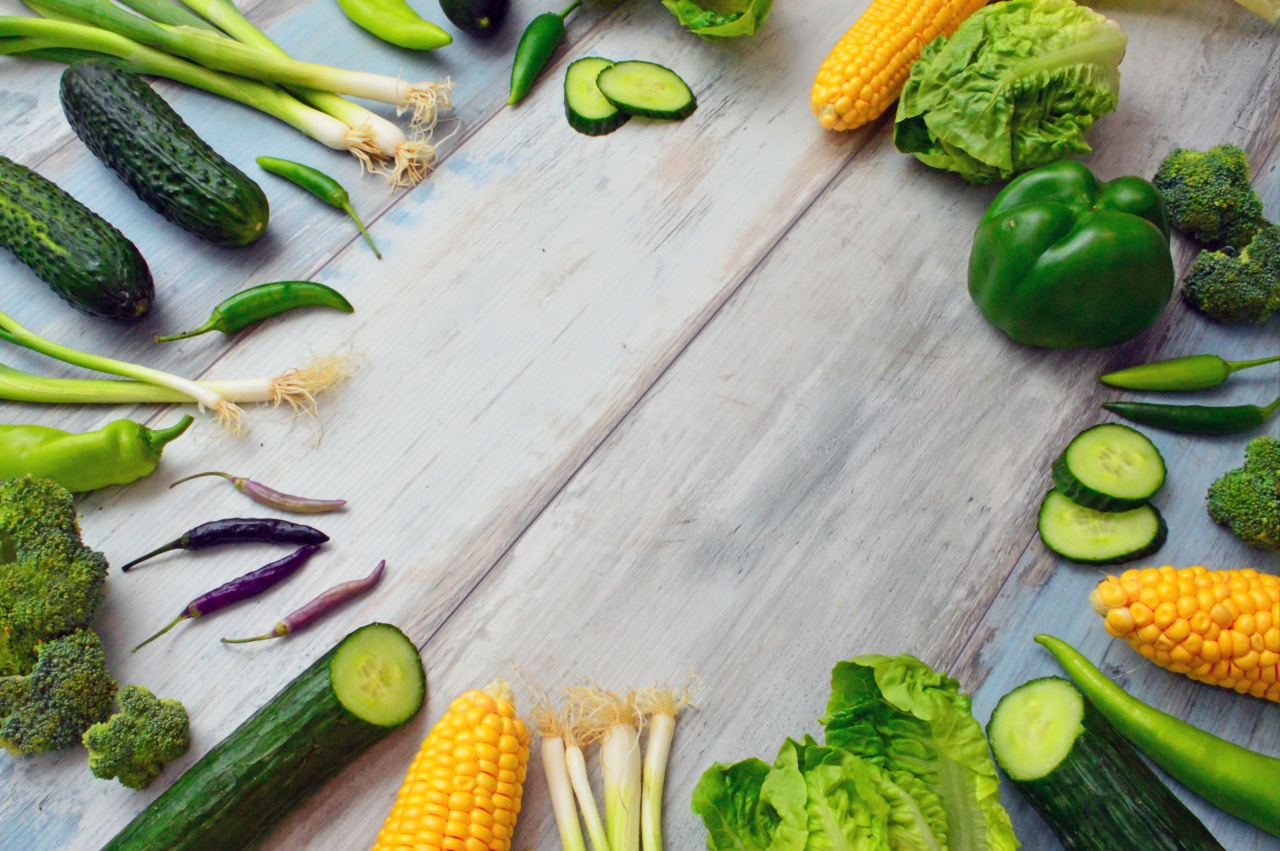
Corn: A Healthy Addition to Your Diet
Corn, also known as maize, has been a staple food for centuries. It is not only delicious but also packed with nutrients and health benefits.
Incorporating corn into your diet can offer various advantages, whether it’s in the form of fresh corn on the cob, canned kernels, or a bowl of warm popcorn. Let’s explore the numerous reasons why you should consider adding corn to your meals regularly.
Corn is a nutrient-dense grain that contains several essential vitamins and minerals. It is a good source of vitamin C, thiamine (vitamin B1), folate (vitamin B9), and minerals like manganese and phosphorus.
These nutrients play vital roles in supporting overall health and well-being.
2. High in Fiber
Including corn in your diet can significantly boost your fiber intake. Fiber aids in proper digestion and helps prevent constipation. It also promotes cardiovascular health by lowering cholesterol levels.
Consuming high-fiber foods like corn can contribute to a healthy digestive system.
3. Supports Digestive Health
Corn is rich in both soluble and insoluble fiber, which can benefit digestive health in different ways.
Soluble fiber helps regulate blood sugar levels and lowers cholesterol, while insoluble fiber adds bulk to stool, aiding in regular bowel movements and preventing constipation. The combination of these two types of fiber found in corn promotes a healthy gut and reduces the risk of digestive disorders.
4. Boosts Immune System
Corn contains various vitamins and minerals known to support a healthy immune system. Vitamin C, present in decent amounts in corn, enhances the production and function of immune cells, aiding in the prevention of illnesses.
Additionally, the antioxidants found in corn help fight off harmful free radicals, protecting the body against inflammation and oxidative stress.
5. Provides Energy
Due to its carbohydrate content, corn serves as an excellent source of energy. The body breaks down carbohydrates into glucose, which is then used to fuel various bodily functions and physical activities.
Including corn in your diet can provide a sustained release of energy, helping you stay active throughout the day.
Related Article
The nutritional value of corn

6. Supports Weight Management
Contrary to popular belief, corn can be a part of a healthy diet for weight management. The high fiber content of corn makes you feel fuller for longer, reducing the likelihood of overeating or snacking on unhealthy foods.
Additionally, corn contains fewer calories than many other popular snacks, making it a healthier option for weight-conscious individuals.
7. Enhances Vision Health
Corn is a good source of carotenoids like lutein and zeaxanthin, which are beneficial for eye health. These antioxidants help filter harmful blue light and protect the retina from damage caused by oxidative stress.
Consumption of corn can contribute to the maintenance of good vision and delay age-related macular degeneration.
8. Supports Heart Health
The presence of fiber, folate, and antioxidants in corn contributes to its heart-protective properties.
Fiber helps lower cholesterol levels, reducing the risk of cardiovascular diseases, while folate supports the proper functioning of the cardiovascular system. The antioxidants present in corn also help prevent the oxidation of cholesterol, ultimately decreasing the risk of heart diseases.
9. Provides Essential Minerals
Aside from being a good source of vitamins, corn also contains essential minerals that support various bodily functions. Manganese, found in corn, aids in bone formation and metabolism.
Phosphorus, another mineral abundant in corn, is vital for maintaining healthy bones and teeth.
10. Versatile in Cooking
Corn is incredibly versatile in the kitchen, allowing for a wide array of culinary creations. You can enjoy corn in various forms, including boiled, grilled, steamed, roasted, or as an ingredient in salads, soups, stews, and casseroles.
Its natural sweetness and unique texture make it a valuable addition to both savory and sweet dishes.
Conclusion
Corn is not only a delicious and versatile grain but also a nutritious addition to your diet. It offers several health benefits by providing essential nutrients, supporting digestion, boosting the immune system, and promoting weight management.
Whether you enjoy it fresh off the cob, as popcorn, or incorporated into flavorful recipes, make sure to include corn in your meals regularly to reap its incredible advantages.


