You have probably heard the saying, “You are what you eat.” That old adage rings true today more than ever before. Many people are now aware that a healthy, balanced diet is essential for good health.
One of the cornerstones of a healthy diet is whole grains.
What are Whole Grains?
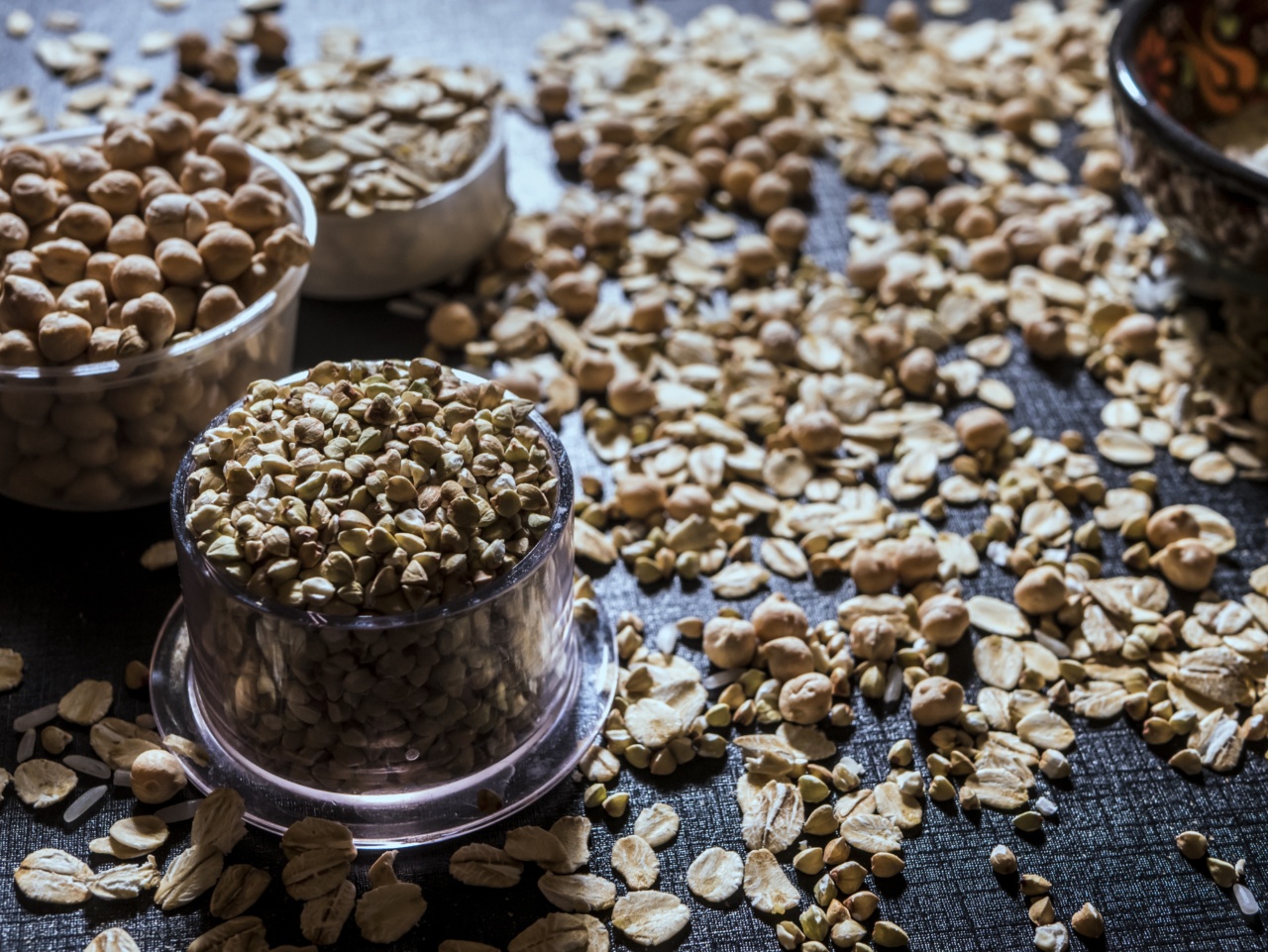
Whole grains are cereal grains that contain the entire grain kernel, including the bran, germ, and endosperm. Examples of whole grains include brown rice, oats, quinoa, barley, and whole wheat.
Benefits of Whole Grains
Whole grains offer numerous health benefits. Here are some of the most significant benefits:.
1) Whole Grains are Nutrient-Rich
Whole grains are loaded with essential nutrients such as fiber, vitamins, and minerals. They contain magnesium, iron, phosphorus, and vitamin B-complex.
These nutrients are essential for many bodily functions such as growth and development, immune function, and energy production.
2) Whole Grains Help with Weight Management
Whole grains are an excellent source of dietary fiber, which helps regulate the digestive system and makes you feel fuller for longer. This can lead to a reduction in overall calorie intake and help with weight management.
3) Whole Grains are Good for Heart Health
Whole grains are known to help maintain healthy cholesterol levels and lower the risk of heart disease. The fiber and antioxidants found in whole grains help reduce inflammation in the body, which is a significant risk factor for heart disease.
Related Article
The Ultimate Guide to Whole Grains

4) Whole Grains Can Help Prevent Diabetes
Whole grains are an excellent source of complex carbohydrates, which are digested slowly, thus preventing the blood sugar spikes normally associated with simple carbohydrates.
Regular consumption of whole grains can help prevent the onset of type-2 diabetes.
5) Whole Grains Boost Your Mood
Whole grains are rich in B vitamins, which are known to boost brain function and improve mood. Studies have shown that people who consume whole grains regularly are less likely to suffer from depression, anxiety, and other mental health issues.
6) Whole Grains are Versatile
Whole grains are incredibly versatile and can be used in a variety of cooking methods. From sweet breakfast porridge to savory salads, whole grains are a delicious addition to any meal.
How to Incorporate Whole Grains into Your Diet
Here are some simple ways to incorporate whole grains into your diet:.
- Start your day with a bowl of oatmeal or other whole grain cereal.
- Swap refined white bread for whole-grain bread in sandwiches.
- Use whole-grain pasta instead of regular pasta in your favorite pasta dishes.
- Add quinoa or barley to soups and stews for added nutrition and flavor.
Conclusion
Whole grains are an essential component of a healthy diet. They are nutrient-rich, promote weight loss, prevent chronic diseases, boost mood, and are versatile in cooking.
Incorporating whole grains into your diet is simple and can greatly improve your health in the long run.


