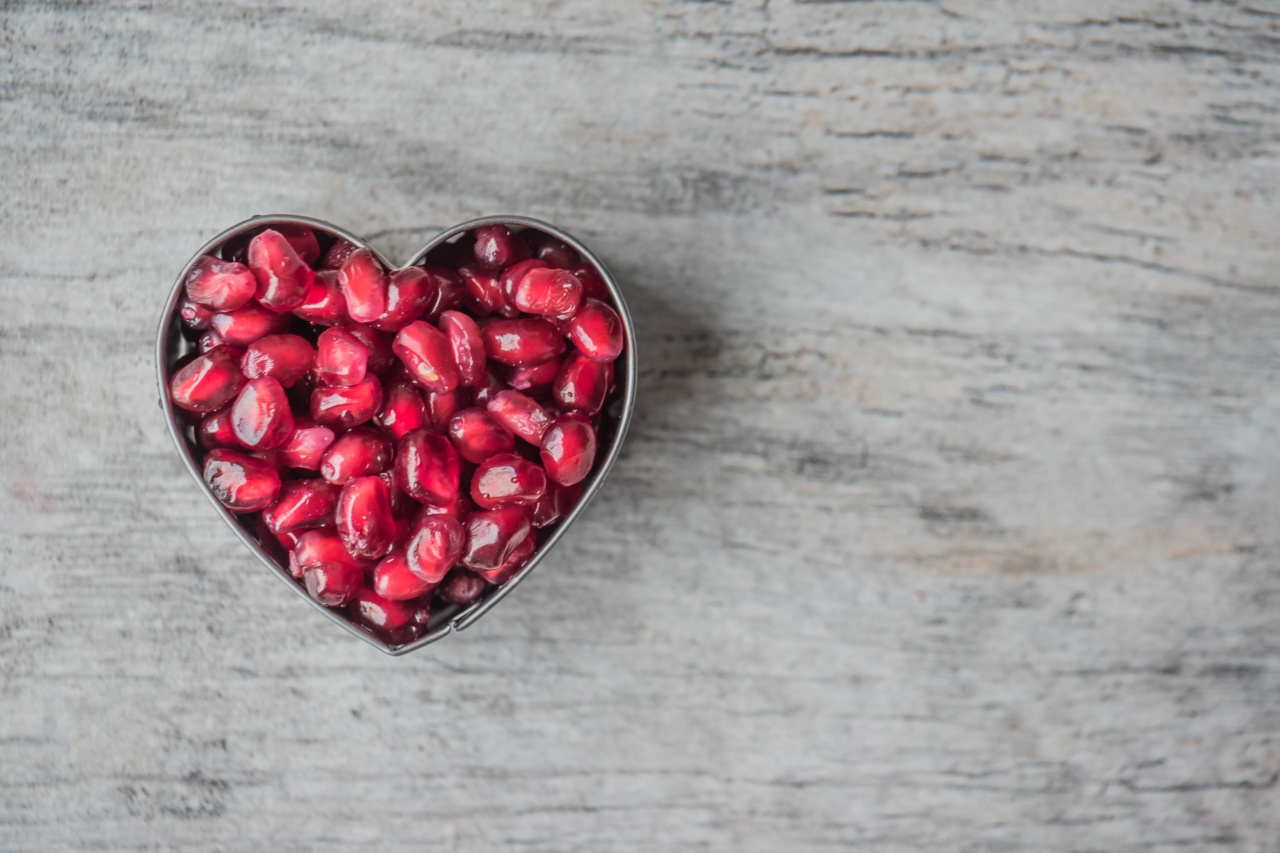
A strong and healthy heart is crucial for overall well-being. As one of the most vital organs in the body, the heart requires proper care and nourishment to function optimally.
In addition to regular exercise and a healthy lifestyle, maintaining a nutritious diet is paramount in keeping your heart in top shape. This article will explore various healthy diets that promote heart health, providing you with valuable information and tips to support your cardiovascular system.
The Mediterranean Diet
The Mediterranean diet is renowned for its numerous health benefits, particularly its positive effects on heart health. This diet primarily focuses on consuming plant-based foods, such as fruits, vegetables, whole grains, legumes, and nuts.
It also encourages the consumption of healthy fats, such as olive oil, while limiting the intake of saturated fats and red meat. Studies have shown that adhering to the Mediterranean diet can significantly reduce the risk of heart disease, as it promotes lower levels of cholesterol and blood pressure.
The DASH Diet
The Dietary Approaches to Stop Hypertension (DASH) diet is specifically designed to lower high blood pressure, a major risk factor for heart disease.
The DASH diet emphasizes a balanced eating plan that includes fruits, vegetables, whole grains, lean proteins, and low-fat dairy products. This diet encourages limited consumption of sodium, sugary beverages, and processed foods, all of which can contribute to elevated blood pressure levels.
By following the DASH diet, individuals can not only manage hypertension but also improve their overall cardiovascular health.
The Plant-Based Diet
A plant-based diet involves consuming predominantly plant-derived foods while minimizing or eliminating the intake of animal products.
This dietary approach promotes the consumption of fruits, vegetables, whole grains, legumes, nuts, and seeds, which are all rich in fiber, vitamins, minerals, and antioxidants. By adopting a plant-based diet, individuals can reduce their risk of developing heart disease, as it significantly lowers cholesterol levels and blood pressure.
Furthermore, plant-based diets have been associated with weight loss and improved blood sugar control, further benefiting heart health.
The DASH Diet
The Dietary Approaches to Stop Hypertension (DASH) diet is specifically designed to lower high blood pressure, a major risk factor for heart disease.
The DASH diet emphasizes a balanced eating plan that includes fruits, vegetables, whole grains, lean proteins, and low-fat dairy products. This diet encourages limited consumption of sodium, sugary beverages, and processed foods, all of which can contribute to elevated blood pressure levels.
By following the DASH diet, individuals can not only manage hypertension but also improve their overall cardiovascular health.
The Ornish Diet
The Ornish diet, developed by Dr. Dean Ornish, is a comprehensive lifestyle program that focuses on reversing heart disease through a combination of diet, exercise, stress management, and social support.
This diet strictly limits the intake of fat, particularly saturated fat and cholesterol, while encouraging the consumption of whole, plant-based foods. The Ornish diet also emphasizes low-fat dairy products, lean proteins, and moderate exercise. Studies have shown that following the Ornish diet can lead to significant improvements in heart health, including the reversal of coronary artery disease.
The TLC Diet
The Therapeutic Lifestyle Changes (TLC) diet is recommended by the National Cholesterol Education Program as an effective way to lower cholesterol levels.
The TLC diet places a strong emphasis on reducing saturated fats and cholesterol-rich foods, such as fatty meats and high-fat dairy products. Instead, it encourages the consumption of fruits, vegetables, whole grains, lean proteins, and low-fat dairy products.
By adhering to the TLC diet, individuals can effectively reduce their LDL (bad) cholesterol levels, ultimately reducing their risk of heart disease.
Foods to Include in a Heart-Healthy Diet
While various diets promote heart health, certain foods are consistently recognized as being beneficial for cardiovascular well-being. Incorporating these foods into your diet can provide you with essential nutrients and support a strong heart:.
1. Fatty Fish
Fatty fish, such as salmon, mackerel, and sardines, are excellent sources of omega-3 fatty acids. These healthy fats contribute to reducing inflammation, lowering blood pressure, and decreasing the risk of heart disease.
Aim to incorporate fatty fish into your diet at least twice a week for optimal heart health.
Related Article
The Top Two Diets for a Healthy Heart

2. Berries
Berries, including strawberries, blueberries, and raspberries, are rich in antioxidants and fiber. Antioxidants help reduce oxidative stress and protect against heart disease, while fiber supports healthy cholesterol levels.
Add a handful of berries to your breakfast or enjoy them as a snack to enhance heart health.
3. Leafy Greens
Leafy greens, such as spinach, kale, and Swiss chard, are packed with vitamins, minerals, and antioxidants. These vegetables are low in calories and high in fiber, which aids in maintaining a healthy weight and reducing the risk of heart disease.
Incorporate leafy greens into your salads, smoothies, or cooked dishes for added heart benefits.
4. Whole Grains
Whole grains, such as oats, brown rice, and quinoa, provide essential nutrients and fiber. They also help lower LDL cholesterol levels and reduce the risk of heart disease. Replace refined grains with whole grain options to support a heart-healthy diet.
5. Nuts and Seeds
Nuts and seeds, including almonds, walnuts, chia seeds, and flaxseeds, are rich in heart-healthy fats, fiber, and antioxidants. These foods have been associated with decreased levels of LDL cholesterol and reduced inflammation.
However, it’s important to consume them in moderation, as they are calorie-dense.
6. Extra Virgin Olive Oil
Extra virgin olive oil is a staple of the Mediterranean diet and is rich in monounsaturated fats and antioxidants.
Regular consumption of olive oil has been linked to lower levels of LDL cholesterol, improved blood vessel function, and reduced risk of heart disease. Use it as a dressing for salads or as a cooking oil to reap its heart-protective benefits.
7. Legumes
Legumes, including lentils, beans, and chickpeas, are excellent sources of plant-based protein, fiber, and minerals. Their high fiber content contributes to improved cholesterol levels, blood sugar regulation, and overall heart health.
Add legumes to soups, stews, or salads for a heart-healthy boost.
8. Avocados
Avocados are packed with heart-healthy monounsaturated fats, fiber, and potassium. They can help reduce LDL cholesterol levels and regulate blood pressure.
However, due to their higher calorie content, it’s essential to consume avocados in moderation as part of a balanced diet.
9. Dark Chocolate
Indulging in a moderate amount of dark chocolate (at least 70% cocoa) can offer cardiovascular benefits.
Dark chocolate contains flavanols, which have been associated with improved heart health by promoting better blood flow, preventing blood clotting, and reducing inflammation. Remember to enjoy dark chocolate in moderation while maintaining a balanced diet.
10. Green Tea
Green tea is rich in antioxidants that help protect the heart by reducing inflammation and preventing the oxidation of LDL cholesterol.
Regular consumption of green tea has been associated with lower levels of triglycerides and total cholesterol, ultimately lowering the risk of heart disease.
Conclusion
Eating a heart-healthy diet is crucial for maintaining a strong and resilient cardiovascular system.
By incorporating diets such as the Mediterranean diet, DASH diet, plant-based diet, Ornish diet, or TLC diet, you can significantly reduce your risk of heart disease and promote overall well-being.
Additionally, including a variety of heart-healthy foods, such as fatty fish, berries, leafy greens, whole grains, nuts, olive oil, legumes, avocados, dark chocolate, and green tea, can provide essential nutrients and protect against heart-related issues. Remember, adopting healthy eating habits is a lifelong commitment that can greatly contribute to a healthy heart and a fulfilling life.


