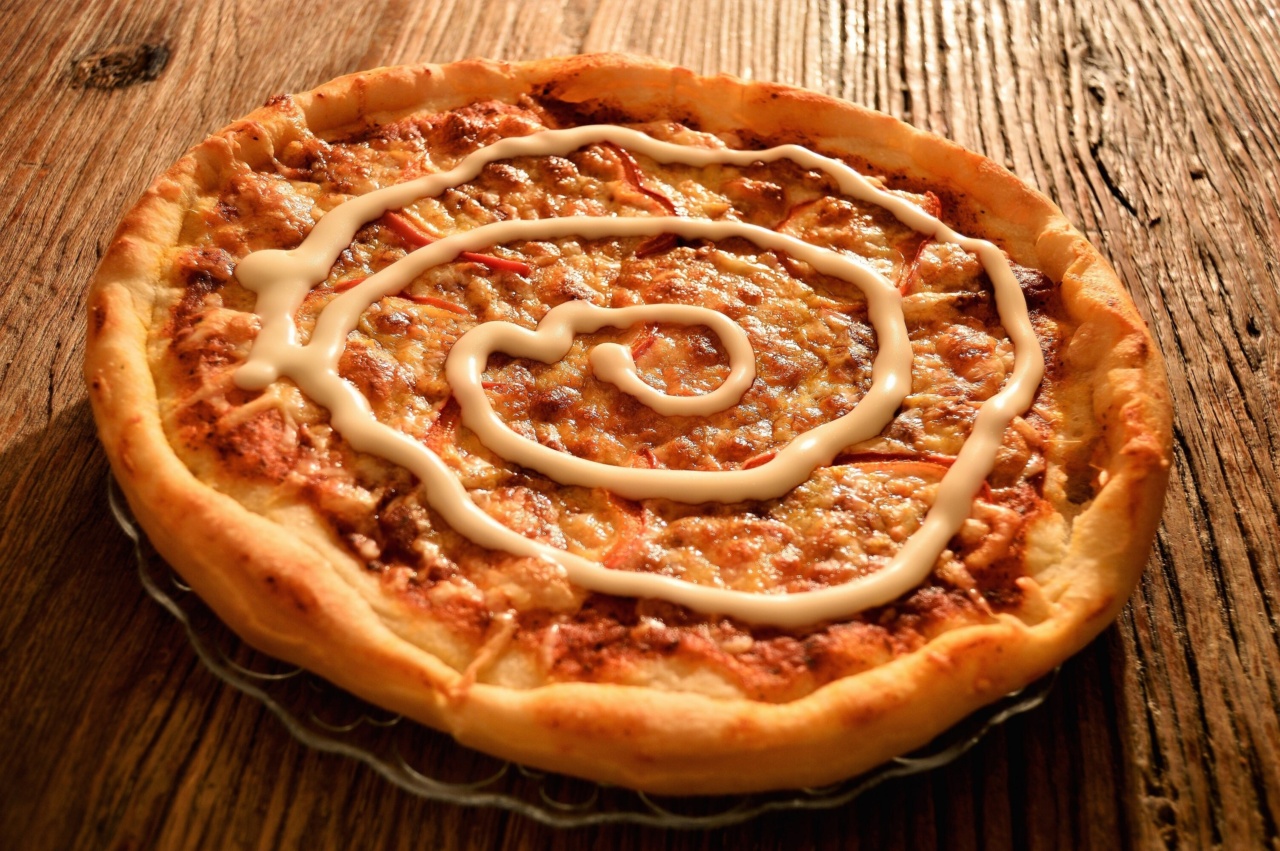
Who doesn’t love a piping hot pizza with all the toppings they crave? It’s the ultimate comfort food that we all crave every once in a while.
Whether it’s a late-night delivery, a quick bite, or a fancy outing, pizza is the go-to choice for many of us. But with the pleasure of eating that delicious pizza comes some not-so-pleasant consequences. In this article, we will explore the effects of indulging in pizza cravings and how they can impact our health.
The Ingredients
Pizza is made of simple yet delicious ingredients: dough, sauce, cheese, and toppings.
But have you ever stopped to think about the ingredients used in making your favorite pizza? The dough used in pizzas is loaded with carbs which can raise blood sugar levels. The cheese used on pizzas is high in fat and sodium, leading to high cholesterol levels and increased blood pressure. The sauce used in pizzas is usually high in sugar, which can lead to weight gain and impact heart health.
The Calorie Count
The calorie count of a pizza depends on its size, type of crust, toppings, and cheese. A standard 14-inch pepperoni pizza can have around 300-350 calories per slice, while a deep-dish pizza with stuffed crust can have up to 500 calories per slice.
If you’re someone who enjoys more than one slice of pizza, the calories can add up quickly, leading to weight gain and other health issues.
The Salt Content
The salt content of pizza is one of the main reasons it’s not the healthiest food option. Most pizza toppings are high in salt, which can lead to increased blood pressure, heart disease, and other health problems.
According to the American Heart Association, we should consume no more than 1,500 milligrams of salt per day, which can be exceeded by eating just one slice of pizza.
Related Article
Eat the pizza you’ve been eyeing and feel inadequate

The Fat Content
The fat content of pizza can vary depending on the type of cheese used and the amount of toppings. Cheese and meats like pepperoni and sausage are high in saturated fats, which can increase cholesterol levels and risk of heart disease.
Even vegetarian options like mushrooms and olives can contain high levels of fat if they are prepared in oil or butter.
The Impact on Health
While indulging in the pizza you’ve been coveting may seem harmless, it can have a significant impact on your health. Eating pizza regularly can lead to weight gain, high cholesterol, high blood pressure, and heart disease.
The high levels of salt and fat in pizza can also cause bloating, constipation, and other digestive issues.
How to Enjoy Pizza in Moderation
You don’t have to give up pizza entirely to maintain a healthy lifestyle. Here are some ways to enjoy pizza without consuming too many calories, salt, and fat:.
- Choose a thin crust pizza over deep-dish or stuffed crust.
- Opt for vegetable toppings rather than meat toppings.
- Choose a tomato-based sauce rather than a cream-based sauce.
- Limit your intake to one or two slices, and share the rest with friends or family.
- Avoid adding extra cheese or toppings like bacon or sausage.
- Consider making your own pizza at home using healthier ingredients.
Conclusion
Indulging in the pizza you’ve been coveting can be a treat, but the consequences can be severe if it’s consumed in large amounts.
Making smart choices, choosing tomato-based sauces, vegetables, and thin crusts can make a significant difference in reducing the number of calories, salt, and fat. Eating pizza in moderation, sharing it with friends, and making it at home can also be great options to enjoy your favorite food while maintaining a healthy lifestyle.


