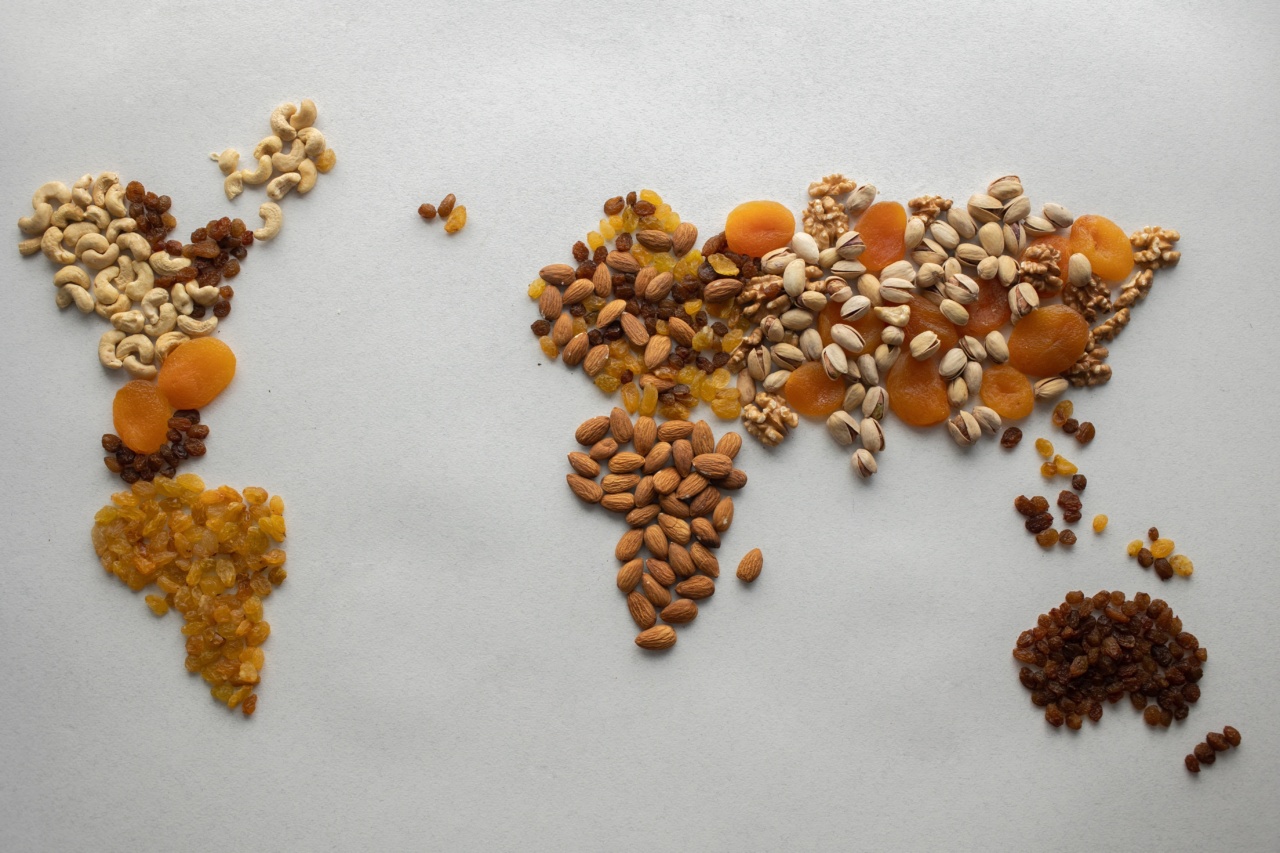
According to a recent study published in The Lancet, 1 in 5 deaths worldwide are due to insufficient nutrition.
The study found that poor diet is responsible for more deaths than any other risk factor, including smoking, high blood pressure, and alcohol consumption.
What is Insufficient Nutrition?
Insufficient nutrition occurs when a person’s diet does not provide enough essential nutrients, such as vitamins and minerals, or if they consume too much unhealthy food and drinks.
This can result in malnutrition, which can have serious health consequences.
Health Consequences of Insufficient Nutrition
The health consequences of insufficient nutrition can be severe and long-lasting, including:.
- Stunted growth and development in children
- Increased risk of chronic diseases, such as diabetes, heart disease, and cancer
- Weakened immune system, making people more vulnerable to infections
- Mental health problems, such as anxiety and depression
Which Countries are Most Affected?
The study found that insufficient nutrition is a global issue, affecting people in both developed and developing countries. However, low- and middle-income countries are particularly affected, where access to healthy food is often limited.
Related Article
Poor diets contribute to 20% of global deaths

In 2017, the countries with the highest rates of deaths due to poor diet were Uzbekistan, Afghanistan, and the Marshall Islands. In contrast, Israel, France, and Spain had the lowest rates of deaths due to poor diet.
What are the Causes of Insufficient Nutrition?
There are several factors that contribute to insufficient nutrition, including:.
- Poor access to healthy food, particularly in low- and middle-income countries
- Unhealthy eating habits, such as consuming too much processed food and sugary drinks
- Food insecurity, which affects millions of people around the world
What Can be Done to Address Insufficient Nutrition?
Addressing the issue of insufficient nutrition requires a multi-faceted approach, including:.
- Increasing access to healthy food, particularly in low- and middle-income countries
- Providing education on healthy eating habits and the importance of a balanced diet
- Promoting policies that ensure food security for all
Individuals can also take steps to improve their own nutritional intake, such as:.
- Consuming a variety of fruits and vegetables
- Limiting intake of processed food and sugary drinks
- Choosing whole grains over refined grains
- Increasing intake of lean proteins, such as fish and legumes
The Bottom Line
Insufficient nutrition is a global issue that affects millions of people around the world. The consequences of poor diet can be severe and long-lasting, contributing to an increased risk of chronic diseases and premature death.
Addressing this issue requires a multi-faceted approach, including increasing access to healthy food, promoting education on healthy eating habits, and promoting policies that ensure food security for all.


