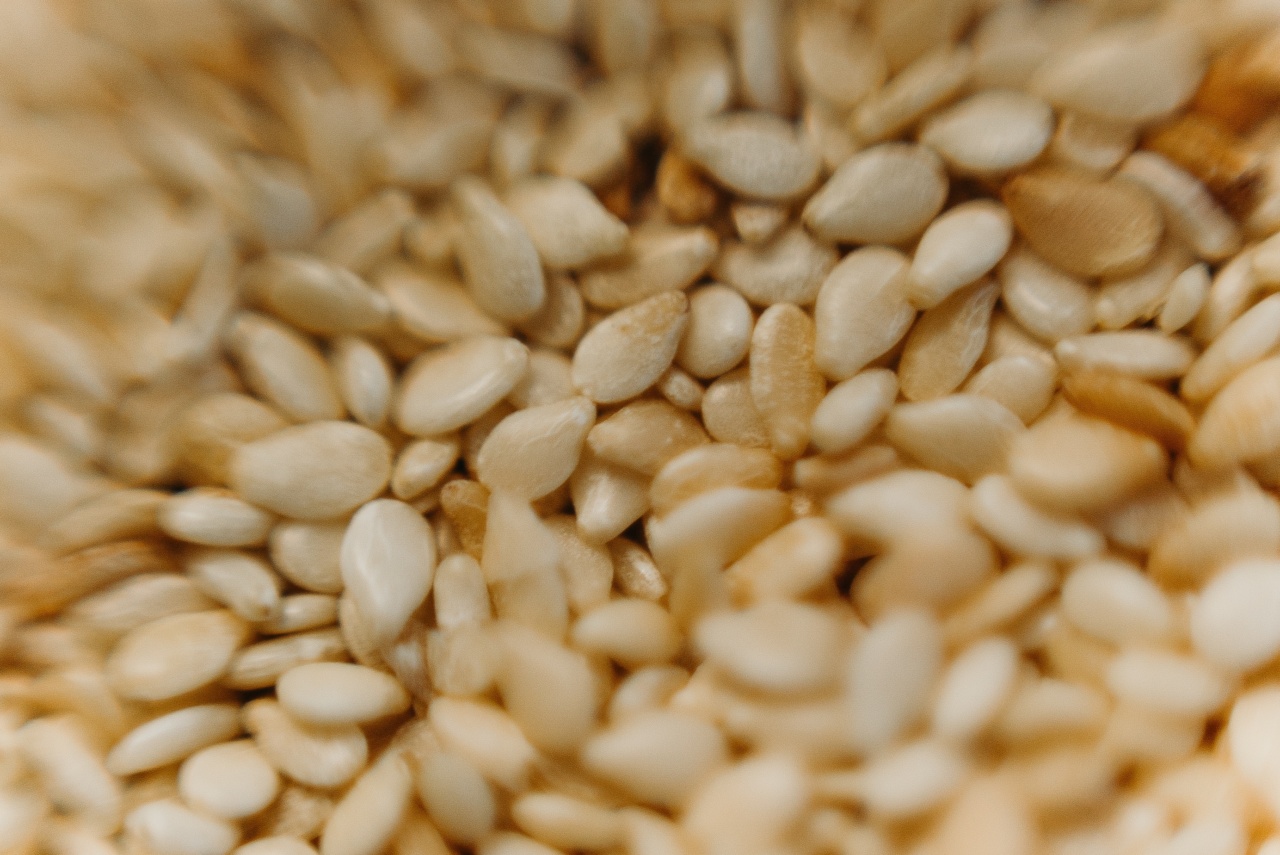
Whole grains are an essential part of a healthy diet, as they offer a wide range of important nutrients.
Unlike refined grains, which have been stripped of their bran and germ, whole grains contain all parts of the grain, including the bran, germ, and endosperm. This not only provides more fiber but also ensures that essential nutrients like vitamins, minerals, and antioxidants are retained.
The Role of Fiber
Fiber is one of the key components of whole grains and plays a vital role in maintaining good health. There are two types of fiber – soluble and insoluble, both of which are present in whole grains.
1. Soluble Fiber
Soluble fiber dissolves in water and forms a gel-like substance in the digestive system, which helps slow down the absorption of sugar and cholesterol. It can be found in foods like oats, barley, and legumes.
This type of fiber aids in managing blood sugar levels, reducing the risk of heart disease, and maintaining a healthy weight.
2. Insoluble Fiber
Insoluble fiber does not dissolve in water and adds bulk to the stool, aiding in regular bowel movements and preventing constipation. Wheat bran, whole wheat, and brown rice are excellent sources of insoluble fiber.
It also helps reduce the risk of developing certain types of cancers, particularly colon cancer.
Vitamins and Minerals
Whole grains are packed with vitamins and minerals that are essential for various bodily functions. Some common nutrients found in whole grains include:.
1. B Vitamins
Whole grains are a rich source of B vitamins like thiamin, riboflavin, niacin, and folate. These vitamins are crucial for energy production, maintaining a healthy nervous system, and aiding in the production of red blood cells.
2. Iron
Iron is important for transporting oxygen throughout the body and preventing anemia.
Whole grains, particularly fortified cereals and bread, can be an excellent source of iron for vegetarians and vegans who may have limited iron intake from animal sources.
3. Magnesium
Magnesium is involved in over 300 enzymatic reactions in the body and plays a critical role in maintaining normal muscle and nerve function, regulating blood sugar levels, and supporting a healthy immune system.
Whole grains like whole wheat and brown rice are great sources of this essential mineral.
Related Article
Discover the Power of Whole Grains

4. Selenium
Selenium is an antioxidant that helps protect cells from damage caused by free radicals. It also supports a healthy immune system and thyroid function. Whole grains such as oats and barley are excellent sources of selenium.
Antioxidants
Whole grains contain a variety of antioxidants that help fight inflammation and oxidative stress in the body. These antioxidants include phenolic acids, lignans, and ferulic acid.
By consuming whole grains, you can benefit from these powerful compounds that boost overall health and reduce the risk of chronic diseases.
Choosing and Preparing Whole Grains
When incorporating whole grains into your diet, it is important to choose the right types and prepare them properly to maximize their nutritional benefits.
1. Whole Wheat
Whole wheat is a well-known and easily accessible whole grain. Look for whole wheat bread, pasta, and flour, and ensure that “whole wheat” is listed as the first ingredient on the label.
Avoid products labeled as “wheat flour” or “enriched wheat flour,” as these are typically refined grains.
2. Brown Rice
Brown rice is a whole grain that is packed with fiber and nutrients. It has a slightly nutty flavor and is widely available. When cooking brown rice, use a 2:1 ratio of water to rice and simmer it for about 45 minutes to ensure it is cooked through.
3. Quinoa
Quinoa is a versatile grain that is rich in protein and contains all essential amino acids. It cooks quickly and can be used as a base for salads, stir-fries, or even as a breakfast porridge.
4. Oats
Oats are a fantastic source of soluble fiber and can be enjoyed in various forms, such as oatmeal, overnight oats, or added to baked goods. Opt for steel-cut or rolled oats, rather than instant oats, which are heavily processed.
5. Barley
Barley is a nutrient-dense grain with a chewy texture that works well in soups, stews, or as a side dish. It is a good source of fiber, vitamins, and minerals, including selenium and magnesium.
Conclusion
Incorporating whole grains into your diet is an excellent way to maximize your nutritional intake. They offer a wide range of essential nutrients, including fiber, vitamins, minerals, and antioxidants.
By choosing and preparing whole grains properly, you can enjoy their many health benefits and improve your overall well-being.


