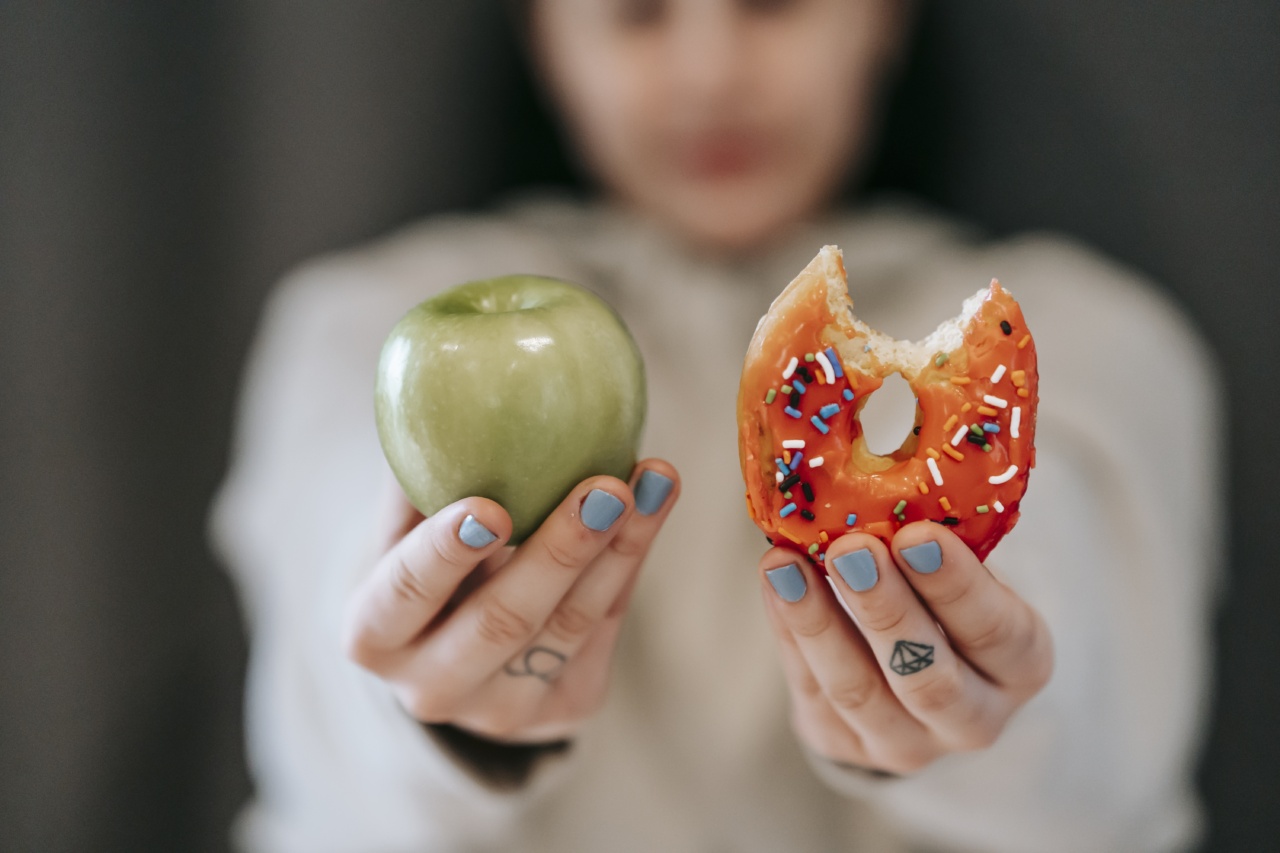
Women who are on contraceptives often have unique nutritional needs.
Whether you are taking oral contraceptives, using an intrauterine device (IUD), or relying on other birth control methods, it’s important to ensure that your diet is supporting your overall health and well-being. Here are some nutrition tips specifically for women on contraceptives.
1. Adequate Iron Intake
Many contraceptive methods, especially those that contain hormones, can cause changes in menstrual bleeding patterns. This can sometimes lead to an increased risk of developing iron deficiency anemia.
To prevent this, it is crucial for women on contraceptives to consume enough iron-rich foods such as lean meats, poultry, fish, eggs, legumes, and leafy green vegetables. Pairing these foods with a source of vitamin C, like citrus fruits or bell peppers, can enhance iron absorption.
2. Calcium-Rich Foods
Some contraceptives, such as certain types of oral contraceptives, can affect bone health by reducing bone mineral density.
To counteract this potential side effect, it is essential to consume an adequate amount of calcium-rich foods like dairy products, fortified plant-based milks, tofu, and leafy green vegetables. Additionally, getting enough vitamin D, either through sunlight exposure or fortified foods, is important for the absorption of calcium.
3. Magnesium Boost
Contraceptive use can sometimes deplete the body’s magnesium levels. This mineral is involved in numerous important processes in the body, including nerve function, muscle contraction, and bone health.
To ensure you’re getting enough magnesium, include foods like nuts, seeds, whole grains, green leafy vegetables, and legumes in your diet. If needed, consider taking a magnesium supplement after consulting with your healthcare provider.
4. Essential Fatty Acids
Certain forms of contraceptives may alter lipid metabolism and affect the balance of essential fatty acids in the body. These fats play a vital role in hormone regulation, brain health, and inflammation control.
To maintain a healthy balance, include sources of omega-3 fatty acids like fatty fish (salmon, mackerel), walnuts, chia seeds, and flaxseeds in your diet. If you struggle to consume enough from food alone, a fish oil or algae-based omega-3 supplement can be considered.
5. Antioxidant-Rich Foods
Contraceptive methods like hormonal pills can sometimes cause oxidative stress in the body, leading to increased inflammation. Incorporating antioxidant-rich foods into your diet can help neutralize free radicals and reduce inflammation.
Related Article
What foods to eat while taking contraceptives

Brightly colored fruits and vegetables, such as berries, tomatoes, broccoli, spinach, and sweet potatoes, are excellent sources of antioxidants.
6. B-Vitamins
The use of contraceptives can potentially affect B-vitamin status in some women. B-vitamins are essential for energy production, brain function, and the metabolism of nutrients.
To support adequate levels, consume foods like whole grains, legumes, leafy green vegetables, eggs, and dairy products. If necessary, a B-complex supplement can be considered in consultation with your healthcare professional.
7. Fiber-Rich Foods
Some contraceptive methods may occasionally cause digestive issues such as constipation. To promote regular bowel movements and maintain optimal digestive health, focus on consuming plenty of fiber-rich foods.
Whole grains, fruits, vegetables, nuts, seeds, and legumes are all excellent sources of dietary fiber. Remember to increase your water intake as you increase your fiber intake.
8. Optimal Protein Intake
Protein is an essential nutrient for several biological processes, including hormone production, tissue repair, and immune function.
Women on contraceptives should aim to consume an adequate amount of high-quality protein from sources such as lean meats, poultry, fish, eggs, dairy products, legumes, and plant-based proteins like tofu and tempeh.
9. Hydration
Some contraceptive methods, like hormonal pills, may increase the risk of fluid retention. It is important to stay adequately hydrated to support overall health and reduce the severity of water retention symptoms.
Aim to drink enough water throughout the day and consume hydrating foods such as watermelon, cucumbers, and citrus fruits.
10. Listen to Your Body
Each woman’s experience on contraceptives can differ. It’s essential to listen to your body and be aware of any changes or symptoms you may experience.
If you notice any significant changes in your appetite, weight, or general health, consult with a healthcare professional or a registered dietitian who can provide personalized guidance based on your specific needs.


