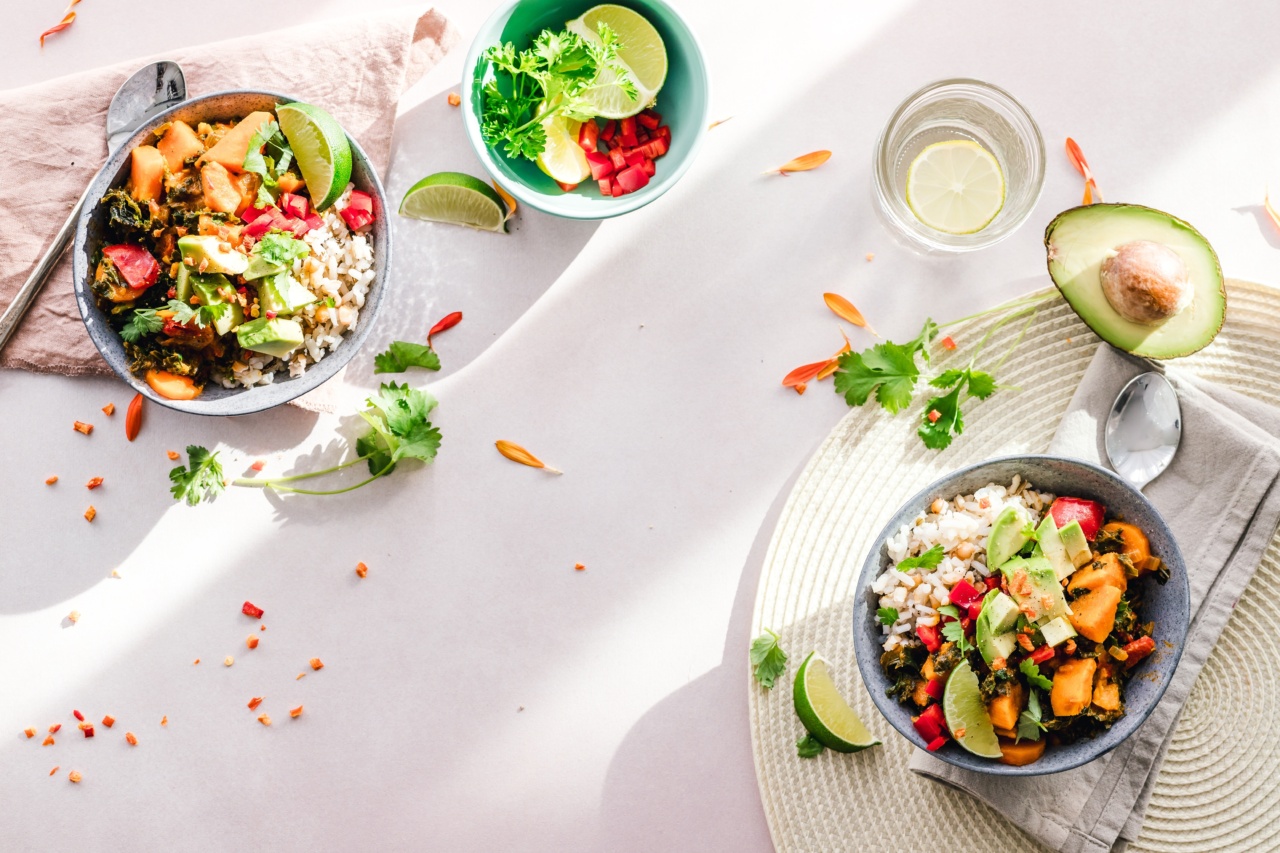
When it comes to maintaining a healthy lifestyle, diet plays a significant role.
For women who are using contraceptives, it is essential to consume a balanced diet that supports overall well-being and takes into consideration the potential side effects of contraceptive medications. In this article, we will explore the best diet for contraceptive users and provide valuable insights into foods that can help optimize health while on contraceptives.
Understanding Contraceptives and Their Effects
Contraceptives are medications or devices used to prevent pregnancy. They work by altering hormone levels in a woman’s body. While contraceptives are highly effective in preventing pregnancy, they can also have various side effects.
These side effects may include nausea, weight gain, mood changes, and nutrient deficiencies, among others.
Importance of a Balanced Diet
Consuming a balanced diet is crucial for everyone, but it becomes even more essential for contraceptive users.
A well-rounded diet ensures that the body receives the necessary nutrients to function optimally and counterbalance any potential side effects caused by contraceptives. Here are some key dietary considerations for contraceptive users:.
1. Nutrient-Rich Foods
Since contraceptives can sometimes lead to nutrient deficiencies, it is important to focus on consuming nutrient-dense foods. These foods include fruits, vegetables, whole grains, lean proteins, and healthy fats.
Opt for a wide variety of colorful fruits and vegetables to ensure you obtain a range of vitamins and minerals.
2. Iron-Rich Foods
Some contraceptive methods, such as intrauterine devices (IUDs) containing hormones, may cause heavy or prolonged menstrual bleeding. This can increase the risk of iron deficiency anemia.
To counterbalance this effect, incorporate iron-rich foods into your diet, such as lean red meat, poultry, fish, beans, lentils, spinach, and fortified cereals.
3. Calcium and Vitamin D
Some contraceptive methods, especially hormonal ones, may lower bone density. Therefore, it is essential to ensure an adequate intake of calcium and vitamin D to maintain strong and healthy bones.
Good sources of calcium include dairy products, leafy greens, fortified plant-based milk, and calcium supplements if necessary. Vitamin D is synthesized by the body when exposed to sunlight, but it can also be obtained from fatty fish like salmon, egg yolks, and fortified foods.
4. Healthy Fats
Contraceptive pills, patches, or injections can sometimes lead to increased triglyceride levels in the blood. To promote heart health, it is crucial to consume healthy fats, such as avocados, nuts, seeds, olive oil, and fatty fish.
These fats help maintain healthy cholesterol levels and reduce the risk of cardiovascular diseases.
Related Article
What foods to eat while taking contraceptives

5. Bone-Building Nutrients
In addition to calcium and vitamin D, other nutrients play a vital role in bone health. These include vitamin K, magnesium, and phosphorus.
Dark leafy greens, nuts, seeds, whole grains, fish, and legumes are excellent sources of these bone-building nutrients.
6. Fiber-Rich Foods
Some contraceptive methods may cause digestive issues or constipation. Including fiber-rich foods in your diet can help promote regular bowel movements and improve overall gut health.
Whole grains, fruits, vegetables, legumes, and nuts are great sources of dietary fiber.
7. Hydration
Staying hydrated is important for everyone, including contraceptive users. Proper hydration supports overall health and can help alleviate common side effects such as bloating and dryness.
Aim to consume at least 8 glasses of water per day and increase your intake if you engage in physical activities or live in a hot climate.
8. Antioxidant-Rich Foods
Contraceptive medications can create oxidative stress in the body due to hormone fluctuations. Antioxidants help counteract this oxidative stress and reduce inflammation.
Incorporate antioxidant-rich foods into your diet, such as berries, dark chocolate, green tea, tomatoes, and leafy greens.
9. Limit Processed Foods and Added Sugars
Processed foods and added sugars can potentially exacerbate the side effects of contraceptives. These foods offer little nutritional value and can lead to weight gain, inflammation, and hormonal imbalances.
Opt for whole, unprocessed foods whenever possible and satisfy your sweet cravings with natural sugars found in fruits.
10. Consult with a Registered Dietitian
Each individual’s nutritional needs may vary, and it’s always beneficial to seek personalized advice.
Consulting with a registered dietitian can provide you with a tailored meal plan and address any specific concerns or requirements you may have as a contraceptive user.
Conclusion
A well-balanced diet rich in essential nutrients is vital for contraceptive users. It helps counteract potential side effects, ensures overall well-being, and supports optimal health.
By incorporating nutrient-dense foods, staying hydrated, and making smart dietary choices, contraceptive users can help maintain a healthy lifestyle. Always remember to consult with a healthcare professional or a registered dietitian for personalized guidance.


