When it comes to cooking methods, frying has always been a controversial topic. Health-conscious individuals often shy away from deep-fried foods, citing concerns about the amount of oil used and the potential negative health effects.
However, recent research suggests that moderate consumption of fried foods may not be as detrimental as previously thought. In fact, studies have found that when done correctly, frying with the right type of oil can minimize antioxidant loss and preserve the nutritional value of the food being cooked.
The Science Behind Frying
In order to understand why frying can lead to antioxidant loss, it is important to delve into the science of the cooking process itself. When food is submerged in hot oil, several chemical reactions occur that affect its nutritional content.
The high temperatures cause the food’s moisture to evaporate rapidly, resulting in a crispy exterior. At the same time, the hot oil can initiate the breakdown of complex compounds in the food, such as proteins and carbohydrates. This breakdown can lead to the production of potentially harmful substances, including free radicals.
Antioxidants, which are naturally present in many foods, play a crucial role in combating these free radicals. They help neutralize the harmful effects of oxidative stress and prevent damage to cells and tissues.
However, due to the intense heat of frying, some antioxidants can be lost during the cooking process. The challenge lies in finding an oil that can withstand frying temperatures while minimizing antioxidant loss.
The Role of Oil in Frying
Choosing the right type of oil for frying is a key factor in minimizing antioxidant loss.
Oils with high smoke points, such as refined olive oil, peanut oil, and canola oil, are better suited for frying since they can withstand higher temperatures without breaking down. These oils have a higher stability and a lower tendency to oxidize, making them less likely to produce harmful byproducts during the frying process.
Additionally, oils that are high in monounsaturated or polyunsaturated fats, such as olive oil, avocado oil, and sunflower oil, contain natural antioxidants themselves.
These antioxidants help protect the oil from oxidative damage and can further contribute to the preservation of the food’s nutritional value.
On the other hand, oils with low smoke points, such as butter or extra virgin olive oil, are not recommended for frying. These oils are more prone to breaking down at high temperatures and can release smoke and potentially harmful compounds.
Using oils with lower smoke points can result in a less stable frying environment, leading to greater antioxidant loss and a decrease in the overall quality of the fried food.
Related Article
High-Fat Oil Resists Oxidation in Frying

Frying Techniques to Minimize Antioxidant Loss
While choosing the right oil is crucial, proper frying techniques are equally important in preserving the antioxidant content of the food being cooked. Here are some tips to minimize antioxidant loss during frying:.
1. Maintain the Right Temperature
Frying at the recommended temperature range is essential to minimize antioxidant loss. If the oil is not hot enough, the food will absorb more oil and become greasy.
On the other hand, if the oil is too hot, the food may cook too quickly on the outside, resulting in overcooked or burnt food. Monitoring the temperature with a thermometer and adjusting it accordingly is key to achieving optimal frying conditions.
2. Avoid Reusing Oil Multiple Times
Reusing oil multiple times can lead to an accumulation of harmful byproducts and increase the breakdown of antioxidants.
While it may be tempting to reuse oil to save costs, it is best to discard it after each frying session to maintain the quality of the oil and the food being cooked.
3. Use Minimal Oil
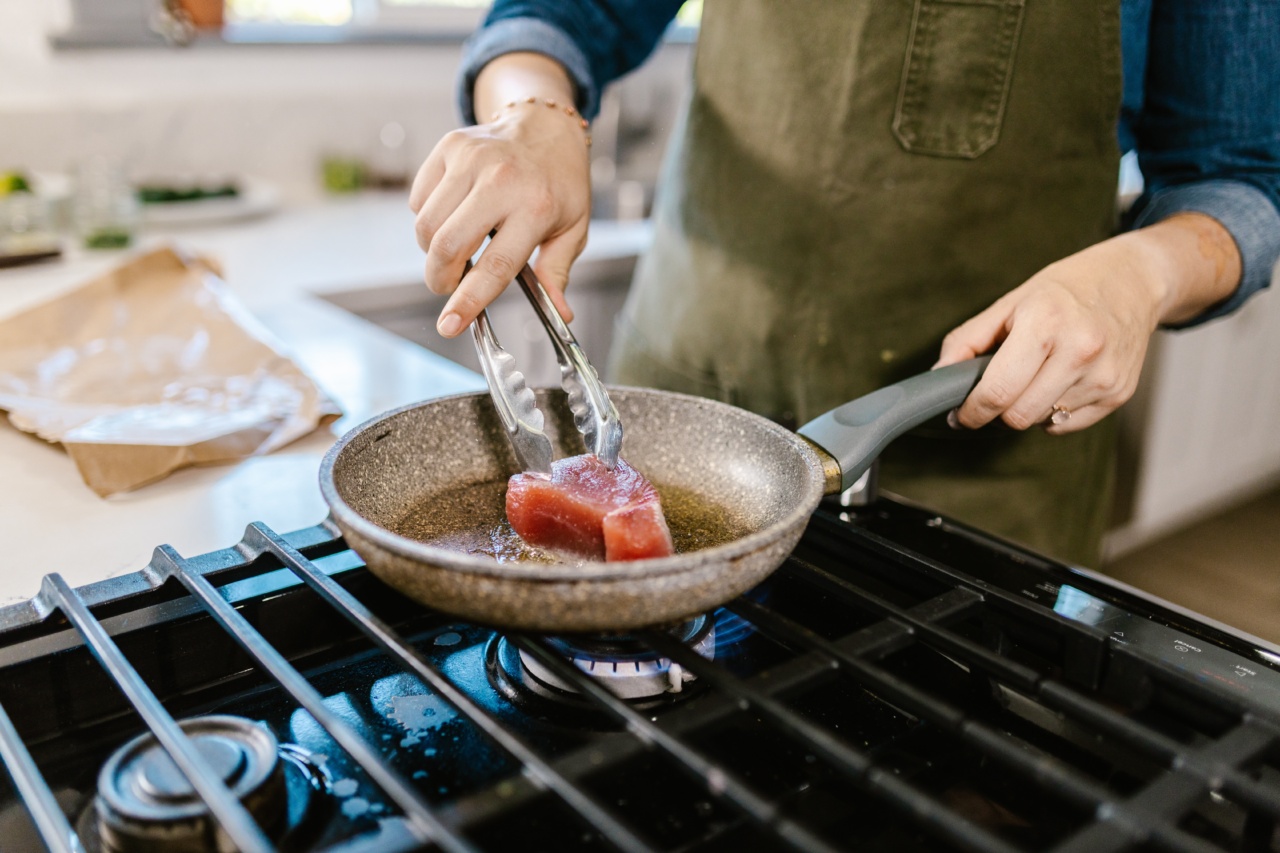
Using excessive amounts of oil when frying can result in greater antioxidant loss. Instead, opt for shallow frying or pan frying methods that require less oil.
Not only will this help preserve the antioxidants in the food, but it will also reduce the overall calorie content of the dish.
4. Add Antioxidant-Rich Ingredients
Incorporating antioxidant-rich ingredients into fried dishes can help compensate for any potential antioxidant loss during cooking.
For example, adding herbs and spices like rosemary, thyme, and turmeric can boost the overall antioxidant content of the dish and provide additional health benefits.
Conclusion
Frying, when done correctly with the right type of oil and proper techniques, can minimize antioxidant loss and preserve the nutritional value of the food being cooked.
Choosing oils with high smoke points and incorporating antioxidant-rich ingredients into fried dishes can further enhance the overall health benefits. However, moderation is still key, as excessive consumption of fried foods can contribute to an unhealthy diet.
By understanding the science behind frying and making informed choices, individuals can continue to enjoy the occasional indulgence without compromising their overall health.


