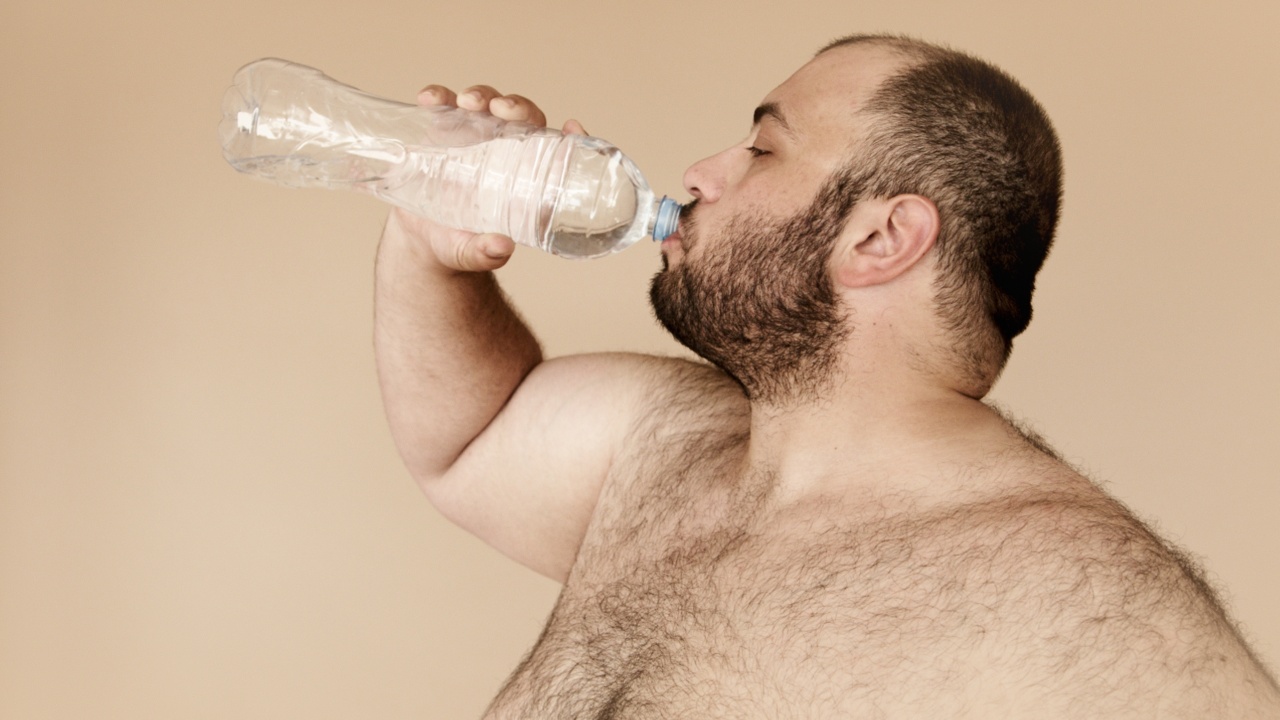
Eating habits play a crucial role in determining the location of body fat in individuals.
While genetics and overall body composition also contribute to fat distribution, the choices we make regarding our diet can significantly influence where fat accumulates in our bodies. This article explores the various factors that impact body fat distribution and provides insights into maintaining a healthy body fat distribution through smart eating habits.
1. Role of Genetics in Body Fat Distribution
Genetics plays a significant role in body fat distribution. Some individuals are genetically predisposed to have more fat in specific areas of their bodies.
For example, people with an “apple-shaped” body tend to accumulate fat around their abdomen, while those with a “pear-shaped” body tend to store more fat in their hips and thighs.
2. Hormone Regulation
Hormones, such as estrogen and testosterone, play a crucial role in determining body fat distribution.
For instance, women generally carry more fat around their hips and thighs due to higher estrogen levels, while men tend to accumulate fat around their abdominal area due to higher testosterone levels. Hormones can also affect how efficiently the body burns fat, further influencing body fat location.
3. Dietary Fat Intake
The type and amount of dietary fat consumed can impact body fat distribution.
Consuming excessive saturated fats, found in fatty meats and processed foods, can contribute to the accumulation of visceral fat (fat around the organs) and increase the risk of abdominal obesity. On the other hand, consuming healthy fats, such as those present in avocados, nuts, and fatty fish, can promote a more favorable body fat distribution.
4. Sugary Foods and Belly Fat
Excessive consumption of sugary foods and beverages can lead to the accumulation of belly fat. Sugar is quickly converted into glucose in the body, and any excess glucose that is not immediately utilized is stored as fat, primarily around the abdomen.
This type of fat, known as visceral fat, is particularly harmful as it increases the risk of various health conditions, including heart disease and type 2 diabetes.
5. Carbohydrate Quality
The quality of carbohydrates consumed also influences body fat distribution. Refined carbohydrates, such as white bread, white rice, and sugary snacks, can contribute to weight gain and fat storage, particularly around the abdomen.
Related Article
Discover the correlation between food and body fat distribution

Conversely, choosing complex carbohydrates, such as whole grains, fruits, and vegetables, can promote a healthier body fat distribution.
6. Protein Intake
Protein intake can impact body fat distribution by influencing satiety, metabolism, and muscle development. High-protein diets have been shown to reduce belly fat and promote a favorable body fat distribution.
Protein promotes feelings of fullness, helps maintain muscle mass, and increases the thermic effect of food (calories burned during digestion), all of which can aid in weight management and fat distribution.
7. Impact of Alcohol Consumption
Excessive alcohol consumption can contribute to the accumulation of fat, particularly around the midsection. Alcohol is high in empty calories and can impair the body’s ability to burn fat efficiently.
Additionally, alcohol consumption may increase appetite, leading to overeating and weight gain in specific areas of the body.
8. Role of Physical Activity
Regular physical activity, including cardio exercises and strength training, can help regulate body fat distribution. Exercise helps burn calories, reduce overall body fat, and promote muscle development.
Having well-developed muscles, especially in areas prone to fat accumulation, can help maintain a more balanced body fat distribution.
9. The Importance of a Balanced Diet
Adopting a balanced diet that focuses on whole foods, lean proteins, healthy fats, and complex carbohydrates is crucial for maintaining a healthy body fat distribution.
Consuming a variety of nutrient-dense foods is key to providing the body with essential nutrients and supporting optimal metabolic function.
10. Lifestyle Factors
Lastly, other lifestyle factors, such as stress management, sleep quality, and smoking, can also influence body fat distribution. Chronic stress and poor sleep have been linked to weight gain and an increased risk of central obesity.
Smoking has been associated with visceral fat accumulation. Addressing these lifestyle factors alongside adopting healthier eating habits can have a significant impact on body fat distribution.


