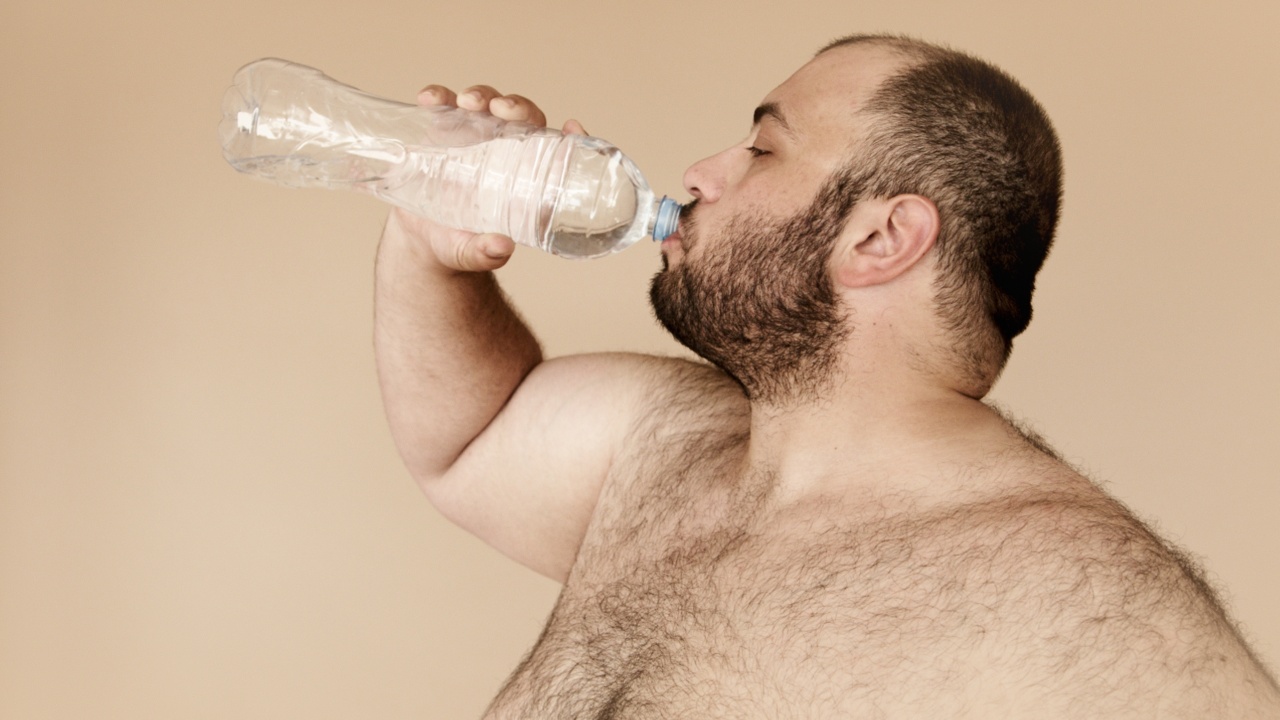
There’s no denying the fact that our diet plays a vital role in our overall health and well-being. But did you know that what you eat can also have an impact on where your body stores fat? Yes, that’s right.
Your diet can actually determine whether you store fat more in your belly or your thighs. In this article, we’ll explore how your diet affects where fat is stored in your body.
What is Fat?
First, let’s understand what fat is. Fat is a type of tissue that stores excess calories in the body. It plays an important role in energy storage, insulation, and protection of organs.
There are different types of fat in the body, including subcutaneous fat (found just beneath the skin) and visceral fat (found in the abdominal cavity around vital organs like the liver).
The Role of Diet in Fat Storage
When we eat, our body uses the calories from the food we consume for energy. Any excess calories that are not immediately used are stored in fat cells. While genetics play a role in where our body stores fat, our diet can also influence it.
A diet high in calories, sugar, and unhealthy fats can lead to more fat being stored in the belly area, while a diet high in healthy fats and whole foods can lead to more fat being stored in the lower body, particularly in the thighs and buttocks.
Sugar and Belly Fat
Consuming too much sugar can lead to the accumulation of belly fat. This is because excess sugar in the body is converted to fat, which is then stored in the abdominal area.
A diet high in refined carbs and sugar can also cause an increase in insulin levels, which in turn can lead to more fat being stored in the belly. So, if you want to reduce belly fat, it’s important to limit your intake of sugar and refined carbs such as white bread, pasta, and pastries.
Healthy Fats and Lower Body Fat
Eating a diet rich in healthy fats such as monounsaturated and polyunsaturated fats can lead to less belly fat and more fat being stored in the lower body.
This is because these healthy fats can help reduce inflammation in the body, which in turn can lead to less belly fat. Healthy fats can also increase the production of hormones that promote fat storage in the lower body. Foods high in healthy fats include avocado, nuts, seeds, fatty fish, and olive oil.
Related Article
Discover the correlation between food and body fat distribution

Protein and Fat Storage
Consuming adequate amounts of protein can also play a role in where fat is stored in the body. Studies have shown that a high-protein diet can lead to less belly fat and more fat being stored in the lower body.
This is because protein can decrease levels of the hormone ghrelin, which stimulates hunger and fat storage. Foods high in protein include meat, chicken, fish, eggs, beans, and lentils.
Sodium and Belly Fat
Consuming too much sodium can lead to water retention in the body, which can cause bloating and an increase in belly fat. Sodium can also increase blood pressure and inflammation in the body, which can contribute to belly fat.
To reduce belly fat, it’s important to limit your intake of processed and packaged foods, which are often high in sodium.
Fiber and Lower Body Fat
Eating a diet high in fiber can also lead to less belly fat and more fat being stored in the lower body. This is because fiber can help improve insulin sensitivity and reduce inflammation in the body, which in turn can lead to less belly fat.
Fiber can also help you feel fuller for longer, which can prevent overeating and weight gain. Foods high in fiber include fruits, vegetables, whole grains, beans, and lentils.
Alcohol and Fat Storage
Consuming too much alcohol can also lead to the accumulation of belly fat. This is because alcohol is metabolized by the liver, which can lead to an increase in visceral fat.
Alcohol can also stimulate appetite and lead to overeating, which can contribute to weight gain. To reduce belly fat, it’s important to limit your intake of alcohol and consume it in moderation.
Conclusion
As we’ve seen, our diet plays a crucial role in where fat is stored in our body.
A diet high in sugar, unhealthy fats, and sodium can lead to more belly fat, while a diet high in healthy fats, protein, and fiber can lead to less belly fat and more fat being stored in the lower body. By making simple changes to your diet and lifestyle, you can reduce belly fat and improve your overall health.


