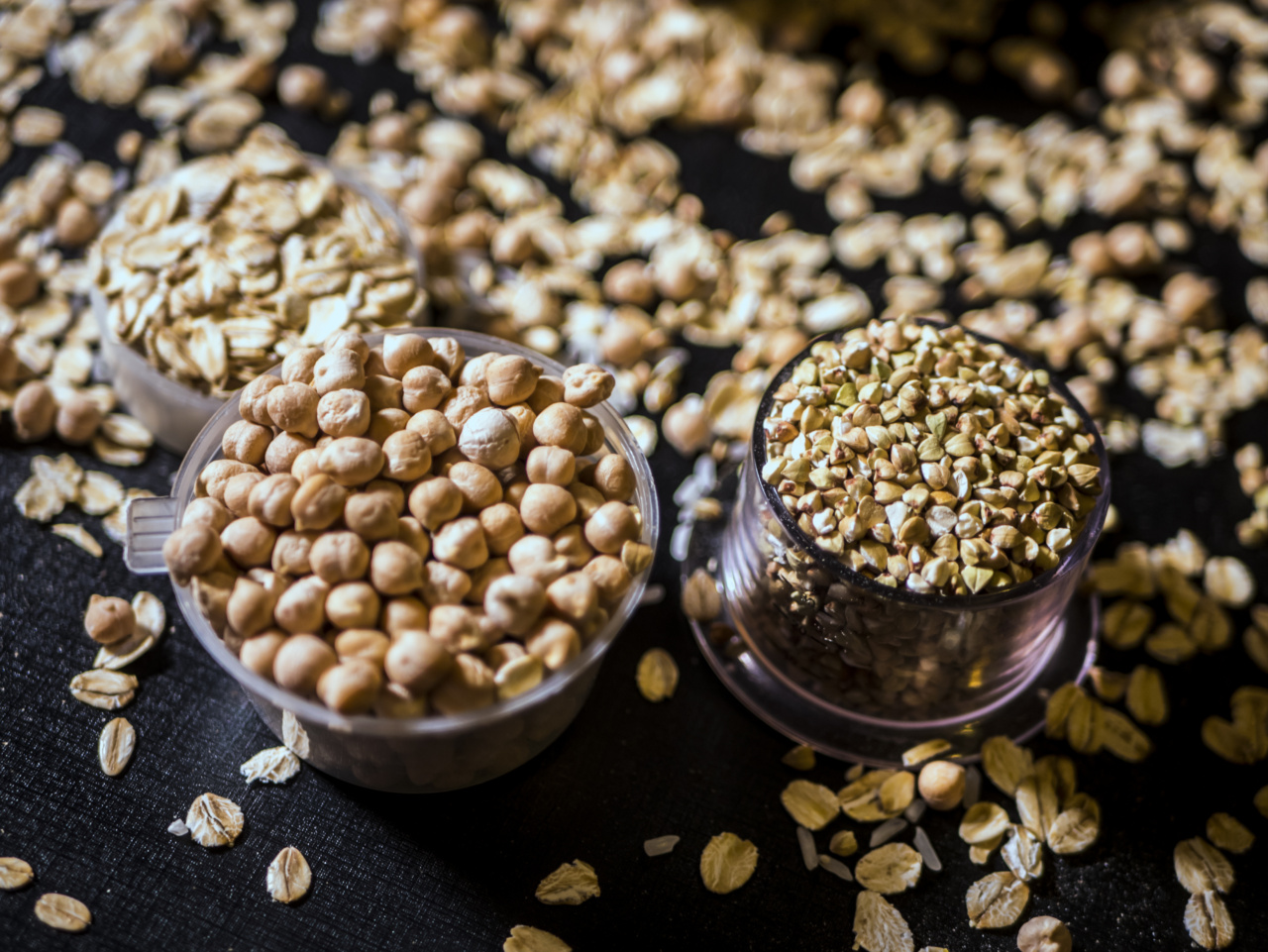
Whole grains are an essential part of a healthy diet, providing a rich source of fiber, vitamins, minerals, and other nutrients.
Incorporating whole grains into your diet is not only important for overall health but also aids in weight management, reduces the risk of chronic diseases, and boosts energy levels. However, with so many different types of whole grains available, it can be challenging to know which ones to choose and how to cook them.
In this ultimate guide to whole grains, we will discuss everything you need to know about whole grains, including their health benefits, popular types of whole grains, and tips for cooking and incorporating them into your diet.
What are Whole Grains?
Whole grains are grains that contain all parts of the grain, including the bran, germ, and endosperm. This means they are not processed like refined grains, which remove the nutritious bran and germ to give a smoother texture and a longer shelf life.
Whole grains retain all the nutrients and fiber, making them a healthier option over refined grains.
Health Benefits of Whole Grains
There are several health benefits of whole grains, including:.
- They aid digestion by promoting healthy gut bacteria and reducing the risk of constipation.
- They help maintain a healthy weight by keeping you fuller for longer and preventing overeating.
- They reduce the risk of chronic diseases such as cardiovascular disease, type 2 diabetes, and cancer.
- They are a rich source of vitamins, minerals, and antioxidants that promote optimal health and wellbeing.
- They provide a steady supply of energy without causing blood sugar spikes or crashes.
Popular Types of Whole Grains
1. Oats
Oats are a popular breakfast food that contains a high amount of fiber, protein, and antioxidants. They are rich in beta-glucan, a type of soluble fiber that helps lower cholesterol levels and boost the immune system.
Oats are available in different forms, including rolled oats, steel-cut oats, and quick oats, making them versatile and easy to use in many recipes.
2. Brown Rice
Brown rice is a whole grain that is an excellent source of fiber, vitamins, and minerals. It is a healthier option over white rice, which is processed to remove its nutrient-rich bran and germ.
Brown rice is available in different varieties such as short-grain, medium-grain, and long-grain, and it is an excellent base for many dishes such as stir-fries, salads, and casseroles.
Related Article
Discover the Power of Whole Grains

3. Quinoa
Quinoa is a trendy whole grain that is rich in protein, fiber, and essential amino acids. It is gluten-free and an excellent option for people with celiac disease or those who follow a gluten-free diet.
Quinoa has a nutty flavor and a chewy texture, making it ideal for salads, soups, and stews.
4. Whole Wheat
Whole wheat is a common type of whole grain that is used to make bread, pasta, and baked goods. It contains all parts of the wheat kernel, including the bran, germ, and endosperm, making it rich in fiber, vitamins, and minerals.
Whole wheat is available in different forms such as whole wheat flour, whole wheat pasta, and whole wheat bread, making it easy to incorporate into your daily diet.
5. Barley
Barley is a whole grain that is commonly used for soups, stews, and casseroles. It is a good source of fiber, protein, and vitamins, making it an excellent option for vegetarians and vegans.
Barley has a nutty flavor and a chewy texture, making it ideal for adding to salads and side dishes.
Tips for Cooking and Incorporating Whole Grains into Your Diet
Here are some tips for cooking and incorporating whole grains into your daily diet:.
- Start by incorporating whole grains gradually, such as swapping white bread for whole wheat bread or adding barley to your soup or stew.
- Experiment with different types of whole grains until you find your favorites.
- Use whole grain flour for baking purposes, such as cakes, muffins, and bread.
- Add whole grains to your breakfast routine, such as oatmeal, muesli, or quinoa porridge.
- Use whole grain pasta or brown rice instead of white pasta or rice in your favorite pasta dishes or stir-fries.
- Opt for whole grain bread or wraps instead of white bread or tortillas for sandwiches or wraps.
Conclusion
Incorporating whole grains into your daily diet is a simple but effective way to improve overall health and wellbeing. With so many different types of whole grains available, it can be challenging to know which ones to choose and how to cook them.
However, with the tips and information provided in this ultimate guide, you can confidently incorporate whole grains into your daily diet and reap the numerous health benefits they offer.


