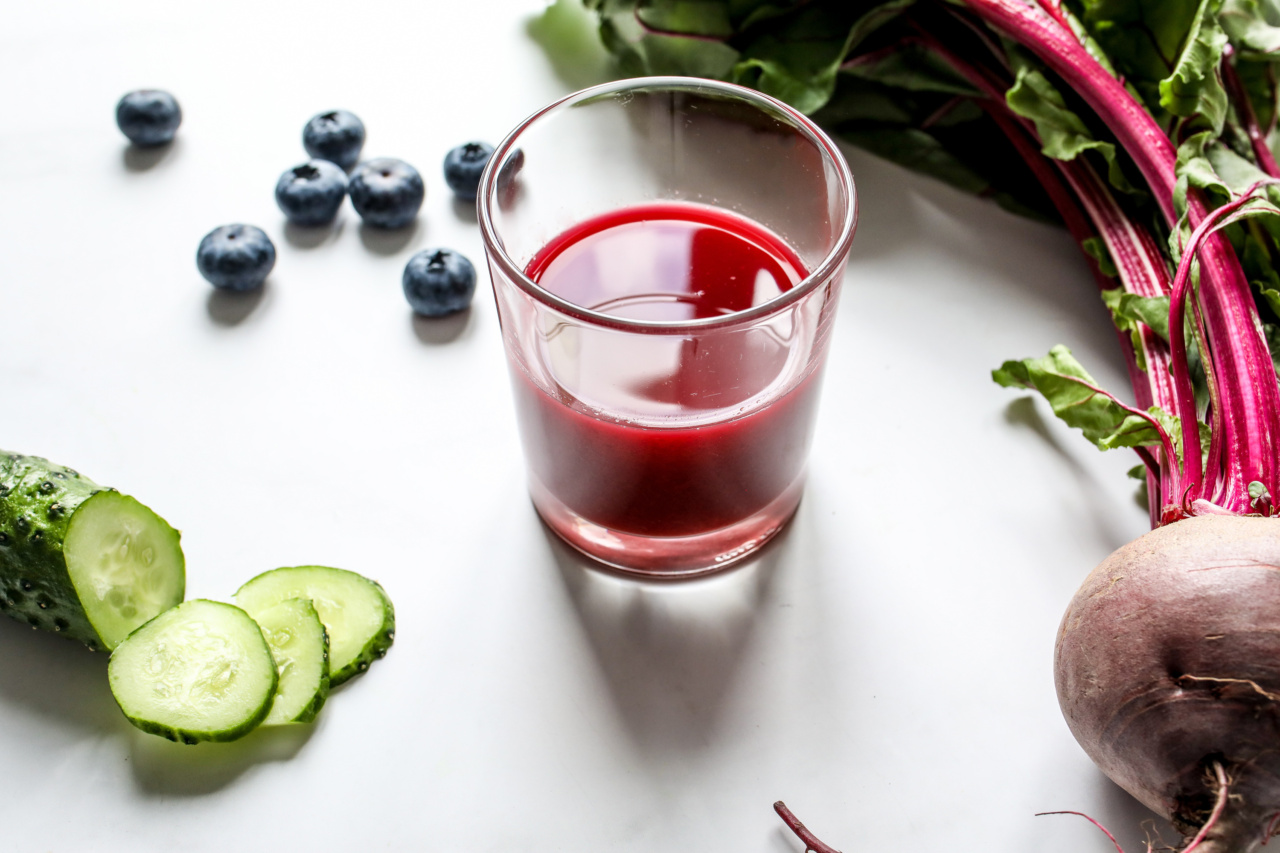
Beetroot is a vibrant and versatile vegetable that has gained popularity for its numerous health benefits.
Whether consumed raw, cooked, or juiced, this root vegetable is a powerhouse of essential nutrients and compounds that contribute to overall well-being. From promoting heart health to boosting athletic performance, beetroot has proven to be a nutrition-packed addition to any diet.
In this article, we will delve into the various nutritional elements found in beetroot and explore how they can positively impact our health.
The Nutritional Profile of Beetroot
Beetroot is packed with an array of vitamins, minerals, and dietary fiber. One cup (136 grams) of raw beetroot contains:.
- Calories: 58
- Protein: 2.2 grams
- Fat: 0.2 grams
- Carbohydrates: 13 grams
- Fiber: 3.8 grams
- Vitamin C: 6% of the daily recommended intake
- Iron: 4% of the daily recommended intake
- Folate: 20% of the daily recommended intake
- Potassium: 9% of the daily recommended intake
- Manganese: 16% of the daily recommended intake
Antioxidant Powerhouse
One of the standout qualities of beetroot is its high antioxidant content. These antioxidants, such as betalains and anthocyanins, are responsible for the vegetable’s vibrant red color.
Antioxidants help protect our cells from oxidative stress and reduce the risk of chronic diseases.
Supports Heart Health
Beetroot has been widely studied for its cardiovascular benefits. The nitrates present in this root vegetable are converted into nitric oxide in the body.
Nitric oxide helps relax and dilate blood vessels, promoting healthy blood flow and maintaining proper blood pressure levels. Regular consumption of beetroot may contribute to a reduced risk of heart disease and stroke.
Improved Athletic Performance
Athletes and exercise enthusiasts often turn to beetroot juice as a natural sports drink. The nitrates in beetroot enhance oxygen delivery to muscles, improving stamina and endurance.
Studies have shown that drinking beetroot juice before workouts can increase exercise performance and delay fatigue. Additionally, beetroot’s anti-inflammatory properties aid in post-workout muscle recovery.
Detoxification and Liver Health
The betalains found in beetroot support the body’s natural detoxification processes. These compounds stimulate the liver’s detox enzymes and help eliminate toxins from the body.
Regular consumption of beetroot may assist in liver function and promote a healthy liver.
Related Article
Exploring the Health Benefits of Beetroot

Brain Health and Cognitive Function
Beetroot’s rich nutritional profile is also beneficial for brain health. The nitrates in beetroot juice increase blood flow to the brain, improving cognitive function and potentially reducing the risk of age-related cognitive decline.
Additionally, beetroot contains antioxidants that help reduce inflammation in the brain, supporting overall brain health.
Anti-Cancer Properties
Research suggests that beetroot may possess anti-cancer properties. The betalains found in this root vegetable have been studied for their potential to inhibit the growth of cancer cells and reduce inflammation.
The high fiber content of beetroot also promotes regular bowel movements, reducing the risk of colorectal cancer.
Supports Digestive Health
Beetroot is an excellent source of dietary fiber, which aids in digestion and promotes a healthy digestive system. Fiber adds bulk to the stool, preventing constipation and promoting regular bowel movements.
Including beetroot in your diet can support a healthy gut and prevent digestive issues.
Other Health Benefits of Beetroot
Alongside its major health benefits, beetroot offers several other advantages:.
- Boosts immunity: The antioxidants and vitamin C in beetroot strengthen the immune system, helping the body fight off infections and illnesses.
- Weight management: Beetroot is low in calories and high in fiber, making it a satiating food that can aid in weight management.
- Eye health: The high levels of vitamin A and carotenoids in beetroot support good vision and eye health.
- Hydration: With its high water content, consuming beetroot can contribute to proper hydration.
- Skin health: The antioxidants in beetroot help combat free radicals, promoting healthier skin and a youthful appearance.
Incorporating Beetroot into Your Diet
Beetroot is a versatile vegetable that can be enjoyed in various ways:.
- Raw: Grate beetroot and add it to salads for a crunchy and nutritious twist.
- Cooked: Roast, steam, or boil beetroot for a tender and tasty addition to main dishes or sides.
- Juiced: Extract the juice from fresh beetroots to create a refreshing and nutrient-dense beverage.
- Baked goods: Use beetroot as a natural food coloring and add nutrients to baked goods like muffins and cakes.
Precautions and Side Effects
While beetroot is generally safe for consumption, it is important to note a few precautions:.
- Beeturia: Some individuals may experience beeturia, a harmless condition where urine or stools temporarily turn pink or red after consuming beetroot.
- Kidney stones: Beetroot contains oxalates, which may contribute to kidney stone formation in individuals prone to this condition. Moderation is key.
- Interference with medications: If you are taking medications or have underlying health conditions, consult with your healthcare provider before significantly increasing your beetroot intake.
Conclusion
Beetroot is not only a delicious and versatile vegetable but also a nutritional powerhouse with a range of health benefits.
From promoting heart health and improving athletic performance to supporting brain function and aiding digestion, incorporating beetroot into your diet can have a positive impact on your overall well-being. With its vibrant color and plethora of nutrients, beetroot truly deserves a place on your plate.


