High blood pressure, also known as hypertension, is a serious health condition that affects millions of people worldwide. It can lead to various complications such as heart disease, stroke, and kidney damage.
While medication is often prescribed to manage high blood pressure, diet can also play a significant role in controlling it. Here are some foods to eat and avoid to help lower your blood pressure.
Foods to Eat
Eating a healthy and well-balanced diet can help lower your blood pressure. Here are some foods to incorporate into your diet:.
1. Leafy Greens
Leafy greens are packed with nutrients such as potassium, which helps to regulate blood pressure. Examples include spinach, kale, and collard greens.
2. Berries
Berries are rich in antioxidants that help to protect the heart and arteries. Some examples include blueberries, raspberries, and strawberries.
3. Oatmeal
Oatmeal is a rich source of fiber, which can help to lower blood pressure. It also contains other nutrients such as magnesium and potassium that are beneficial for heart health.
4. Fish
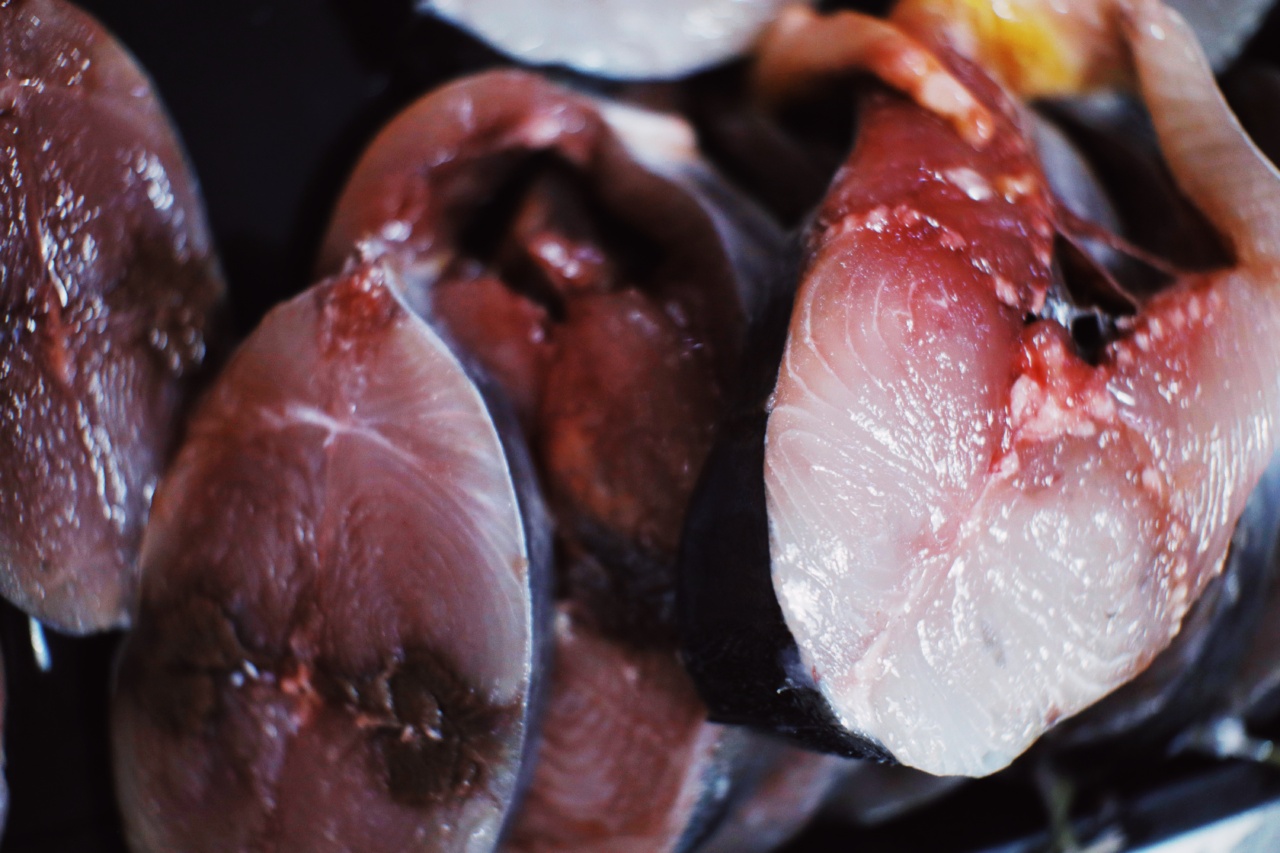
Fish such as salmon, mackerel, and tuna are rich in omega-3 fatty acids, which can help to lower blood pressure and reduce inflammation in the body.
5. Potatoes
Despite their bad reputation, potatoes are actually a good source of potassium and fiber. Eating potatoes with the skin on can maximize their nutritional benefits.
Related Article
The High Blood Pressure Diet: What to Eat and What to Avoid

Foods to Avoid
While some foods are beneficial for controlling blood pressure, others can worsen it. Here are some foods to avoid:.
1. Salt
Salt is a major contributor to high blood pressure. Avoiding processed foods, which are often high in sodium, and limiting your salt intake can help to reduce blood pressure levels.
2. Alcohol
Consuming too much alcohol can raise blood pressure levels. It’s recommended that men should have no more than two drinks per day, while women should have no more than one.
3. Caffeine
Caffeine can cause a temporary increase in blood pressure levels, so it’s important to limit your intake of coffee, tea, and other caffeinated drinks.
4. Processed Foods
Processed foods are often high in sodium, sugar, and unhealthy fats, all of which can contribute to high blood pressure levels. Limiting your intake of processed foods can help to improve your overall health and lower your blood pressure.
5. Red Meat
Red meat is high in saturated fats, which can contribute to high blood pressure levels. If you choose to eat red meat, it’s important to do so in moderation and opt for lean cuts.
Conclusion
Controlling your blood pressure through diet requires a commitment to healthy eating habits and lifestyle changes.
Incorporating more whole foods such as leafy greens, berries, and fish, while limiting your intake of salt, alcohol, and processed foods can help to lower your blood pressure. Be sure to talk to your doctor about any changes you make to your diet or lifestyle.


