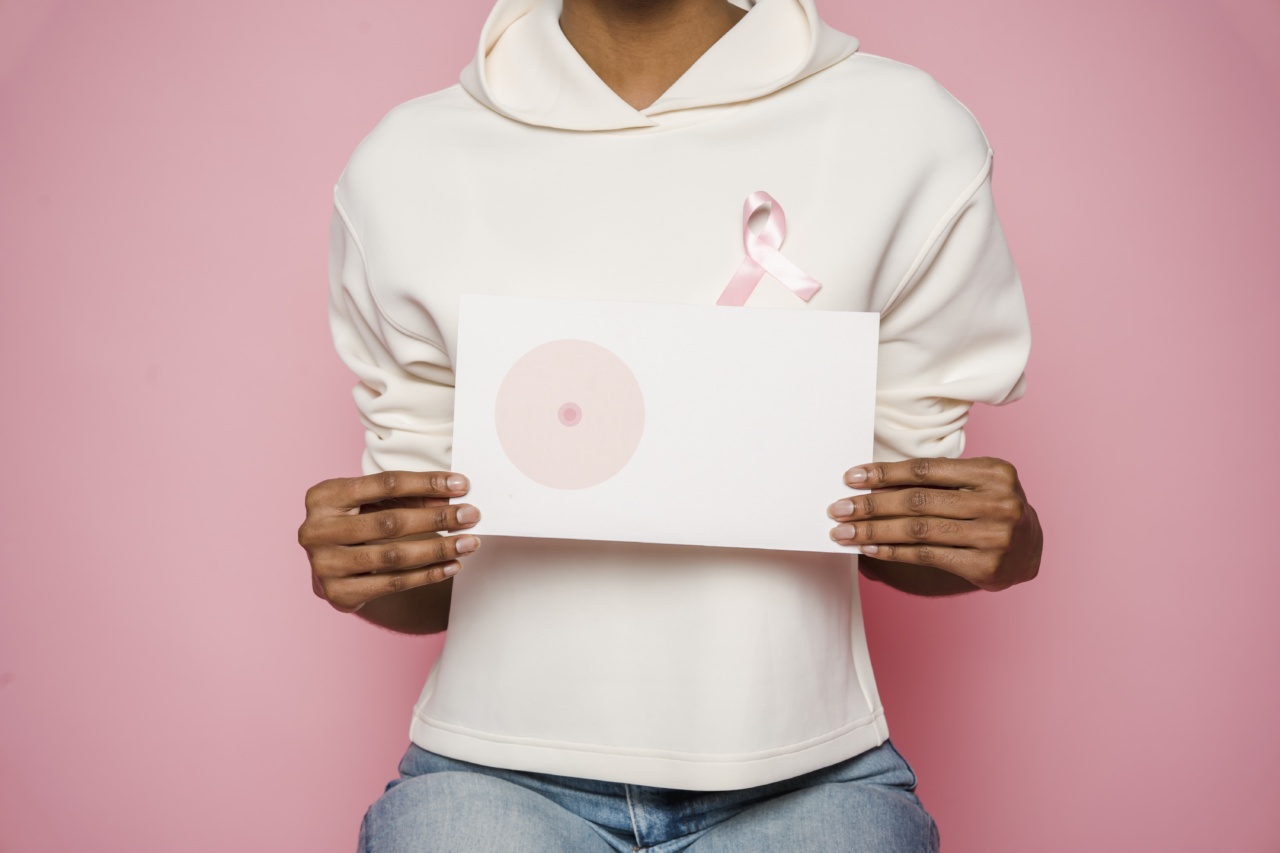
Breast cancer is a serious health concern that affects millions of women worldwide. It is the most common cancer among women, and the second leading cause of cancer-related deaths.
While there are risk factors such as age, family history, and genetic mutations that cannot be controlled, studies have shown that certain daily habits can help reduce the risk of developing breast cancer. By incorporating these habits into our lives, we can take proactive steps towards prevention and overall better health.
1. Regular Exercise
Exercise has numerous benefits for our health, including breast cancer prevention. Engaging in regular physical activity helps maintain a healthy weight, which is important as excess body weight has been linked to an increased risk of breast cancer.
Aim for at least 150 minutes of moderate-intensity exercise or 75 minutes of vigorous exercise per week. Activities like brisk walking, swimming, cycling, and dancing are great options that can be easily incorporated into your daily routine.
2. A Balanced and Nutritious Diet
What we eat plays a significant role in our overall health. Eating a balanced and nutritious diet helps support our immune system and reduce the risk of developing various diseases, including breast cancer.
Include plenty of fruits, vegetables, whole grains, lean proteins, and healthy fats in your daily meals. Limit processed foods, sugary drinks, and red meat consumption.
Additionally, there is some evidence suggesting that certain foods like cruciferous vegetables (broccoli, cauliflower, Brussels sprouts), berries, and foods rich in omega-3 fatty acids (salmon, walnuts, flaxseeds) may have protective effects against breast cancer.
3. Limit Alcohol Consumption
Alcohol consumption is closely linked to an increased risk of breast cancer. It is recommended to limit alcohol intake to no more than one drink per day for women. The less alcohol you consume, the lower your risk will be.
If you do choose to drink, opt for healthier options like red wine, which contains resveratrol, a compound known for its potential cancer-fighting properties.
4. Quit Smoking
Smoking is not only harmful to the lungs but also increases the risk of many types of cancers, including breast cancer. Quitting smoking can significantly reduce your risk, as well as provide countless other health benefits.
Seek support from healthcare professionals, join support groups, and consider nicotine replacement therapies or medications that can assist you in your journey towards a smoke-free life.
5. Regular Breast Self-Exams
Performing regular breast self-exams is an essential habit for early detection of any changes or abnormalities in the breasts. Look out for lumps, changes in breast shape or size, nipple discharge, or any other unusual symptoms.
Related Article
Preventing Breast Cancer: Simple Steps to Take

If you notice any changes, consult your healthcare provider promptly for further evaluation. Remember, early detection plays a crucial role in successful treatment outcomes.
6. Routine Screening Mammograms
Mammograms are screening tests used to detect breast cancer in its early stages, even before symptoms are experienced. It is recommended that women start getting routine mammograms between the ages of 40 and 50.
Talk to your healthcare provider about the best screening schedule for you based on your own risk factors and family history. Regular mammograms can help detect breast cancer at an earlier, more treatable stage.
7. Get Enough Sleep
Getting enough quality sleep is vital for our overall well-being and health. Lack of sleep can disrupt our hormonal balance and weaken our immune system, potentially increasing the risk of developing breast cancer.
Aim for seven to nine hours of uninterrupted sleep per night. Establish a relaxing bedtime routine, create a sleep-friendly environment, and limit screen time before bed to ensure a restful night’s sleep.
8. Minimize Stress Levels
Prolonged and chronic stress can have a detrimental impact on our health, including an increased risk of breast cancer.
Find healthy ways to manage and cope with stress, such as practicing mindfulness meditation, yoga, engaging in hobbies, or spending time in nature. Building strong social connections and seeking support from loved ones can also help alleviate stress levels.
9. Breastfeed if Possible
For mothers who have the option, breastfeeding can offer protection against breast cancer. Breastfeeding lowers the levels of certain hormones in the body that are associated with an increased risk of breast cancer.
It is recommended to breastfeed exclusively for at least six months, if possible.
10. Stay Informed and Advocate
Stay informed about the latest research and developments in breast cancer prevention and treatment. Regularly check for updates from reputable sources such as medical organizations or research institutions.
Take an active role in advocating for increased awareness, funding, and support for breast cancer prevention and research in your community. By staying informed and spreading knowledge, we can collectively make a positive impact in the fight against breast cancer.


