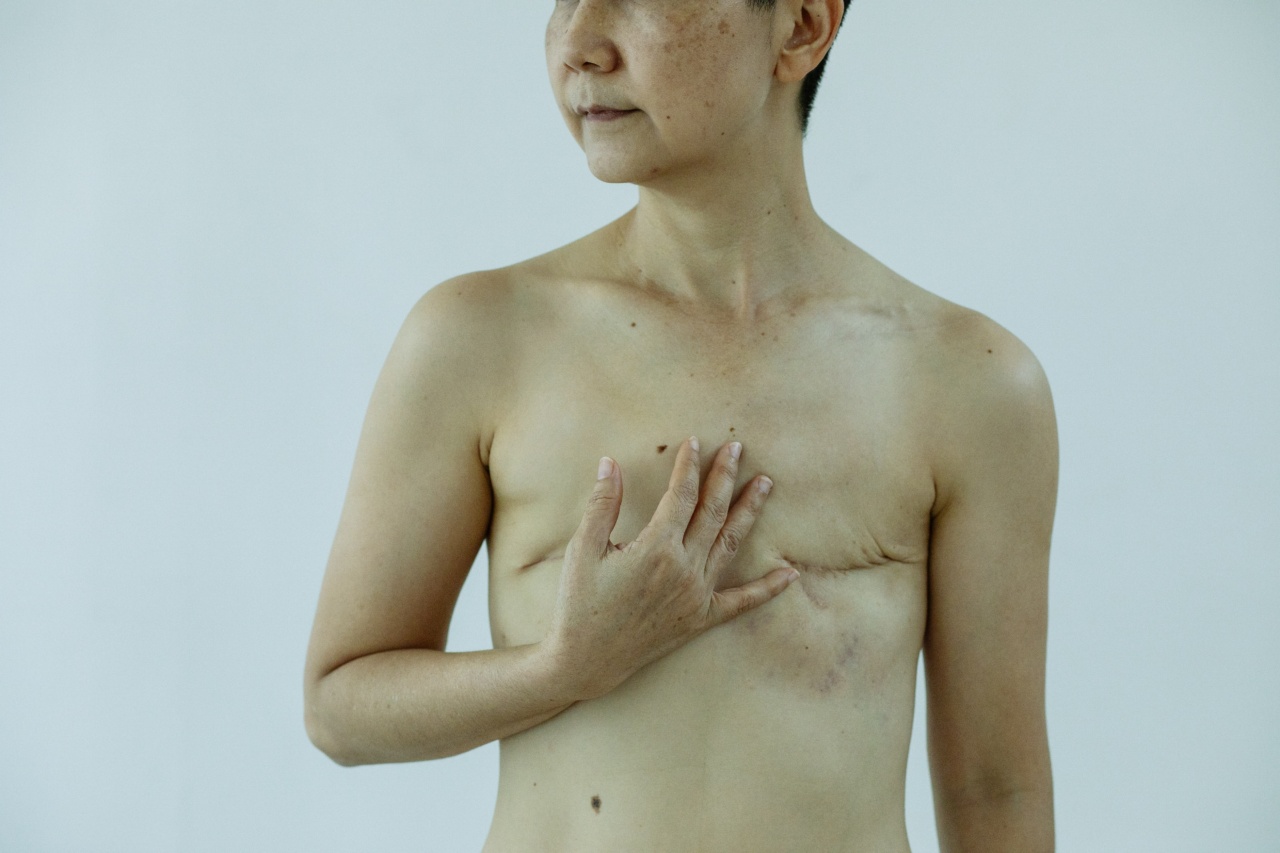
Breast cancer is a condition in which malignant cells form in the tissues of the breast. This is one of the most common forms of cancer among women and early detection is critical to ensuring effective treatment.
While one cannot control risk factors such as genetics or age, there are small behavioral changes that women can make to help lower their risk of developing breast cancer.
Eat a Healthy Diet
Consuming a balanced and nutritious diet can help lower one’s risk of developing breast cancer. This means including plenty of fruits, vegetables, whole grains, and lean protein in one’s diet.
Foods that are high in saturated and trans fats, salt, and sugar should be consumed in moderation. Some studies suggest that consuming soy-based products may reduce the risk of breast cancer, but this needs more research to be conclusive.
Stay Active
Regular exercise is important not only in maintaining one’s overall health but also in reducing the risk of breast cancer. Women who are physically active have a lower risk of developing the disease compared to those who are not.
Experts recommend at least 150 minutes of moderate-intensity exercise per week. Exercise also helps to control weight, another risk factor for breast cancer.
Maintain a Healthy Weight
Being overweight or obese may increase one’s risk of developing breast cancer. This is because fat cells produce estrogen, a hormone that can stimulate the growth of breast cells.
Women are encouraged to maintain a healthy weight by eating a balanced diet and exercising regularly. Weight management is especially important after menopause when levels of estrogen decline and fat cells become the primary source of the hormone in the body.
Limit Alcohol Consumption
Drinking alcohol increases the risk of developing breast cancer. Research indicates that the more alcohol a woman consumes, the higher her risk of developing the disease. Women are advised to limit their alcohol intake to no more than one drink per day.
It is also important to note that binge drinking increases the risk of breast cancer even if a woman drinks infrequently.
Quit Smoking
Smoking is associated with an increased risk of developing many types of cancer, including breast cancer. The chemicals found in tobacco smoke can damage DNA and cause genetic changes that may lead to cancer.
Related Article
Preventing Breast Cancer: Simple Steps to Take

Women who smoke are advised to quit as soon as possible to reduce their risk of developing the disease.
Get Enough Sleep
Insufficient sleep may increase the risk of developing breast cancer. This is because sleep deprivation can lead to changes in hormone levels and the immune system. Women are advised to get at least seven hours of sleep per night.
If necessary, women can consult a healthcare professional for guidance on how to improve the quality and quantity of their sleep.
Breastfeed if Possible
Research has shown that breastfeeding can reduce the risk of breast cancer. Women who breastfeed for at least one year over their lifetime have a lower risk of developing the disease compared to those who do not.
This is because breastfeeding reduces the number of menstrual cycles a woman experiences over her lifetime, which in turn reduces exposure to estrogen.
Regular Screening
Early detection is important in ensuring effective treatment of breast cancer. Women are advised to undergo regular breast cancer screenings, which may include mammograms, clinical breast exams, and self-exams.
The frequency and type of screening depend on factors such as age, personal and family history, and other risk factors. Women are encouraged to discuss screening options with their healthcare provider.
Reduce Exposure to Environmental Toxins
Exposure to environmental toxins such as pesticides, lead, and other chemicals may increase the risk of developing breast cancer.
Women are advised to reduce their exposure to such toxins by eating organic produce, reducing the use of household chemicals, and using personal care products that are free of harmful chemicals. Drinking filtered water and avoiding plastic containers and canned foods with BPA can also help reduce exposure to toxins.
Conclusion
There are many small behavioral changes that women can make to reduce their risk of developing breast cancer.
Eating a healthy diet, staying active, maintaining a healthy weight, limiting alcohol consumption, quitting smoking, getting enough sleep, breastfeeding if possible, undergoing regular screenings, and reducing exposure to environmental toxins are all important steps that women can take to promote their breast health.


