Alzheimer’s disease is known to be one of the most severe and complex types of dementia. According to the U.S.
Centers for Disease Control and Prevention (CDC), it is the sixth leading cause of death in the United States with more than 5 million people affected in the country alone. The disease is characterized by a gradual decline in cognitive ability, which makes everyday life more challenging for patients. These early symptoms, if caught in time, can be a game-changer for finding possible treatments for the disease.
That’s why researchers are consistently looking for ways to diagnose the disease as early as possible. A new study shows that a simple blood test may detect Alzheimer’s disease sooner than ever before.
The Research Behind the Blood Test
The research was carried out by the University of California, San Francisco, and published in the journal Nature Medicine.
The researchers’ primary objective was to identify biomarkers for Alzheimer’s disease by examining blood samples from more than 400 participants. The study included people who had been diagnosed with Alzheimer’s, those with mild cognitive impairment, and healthy controls.
Using a multi-omics approach, the researchers were able to identify a set of blood-based biomarkers that could differentiate Alzheimer’s disease patients from healthy individuals.
The researchers identified that the concentration of amyloid beta (Aβ42) proteins in the blood plasma is a crucial indicator of the development of Alzheimer’s disease.
According to the study, low levels of Aβ42 in the blood were directly associated with an increased likelihood of developing Alzheimer’s. In contrast, elevated Aβ42 concentrations in the blood were associated with better cognitive scores.
How the Blood Test Works
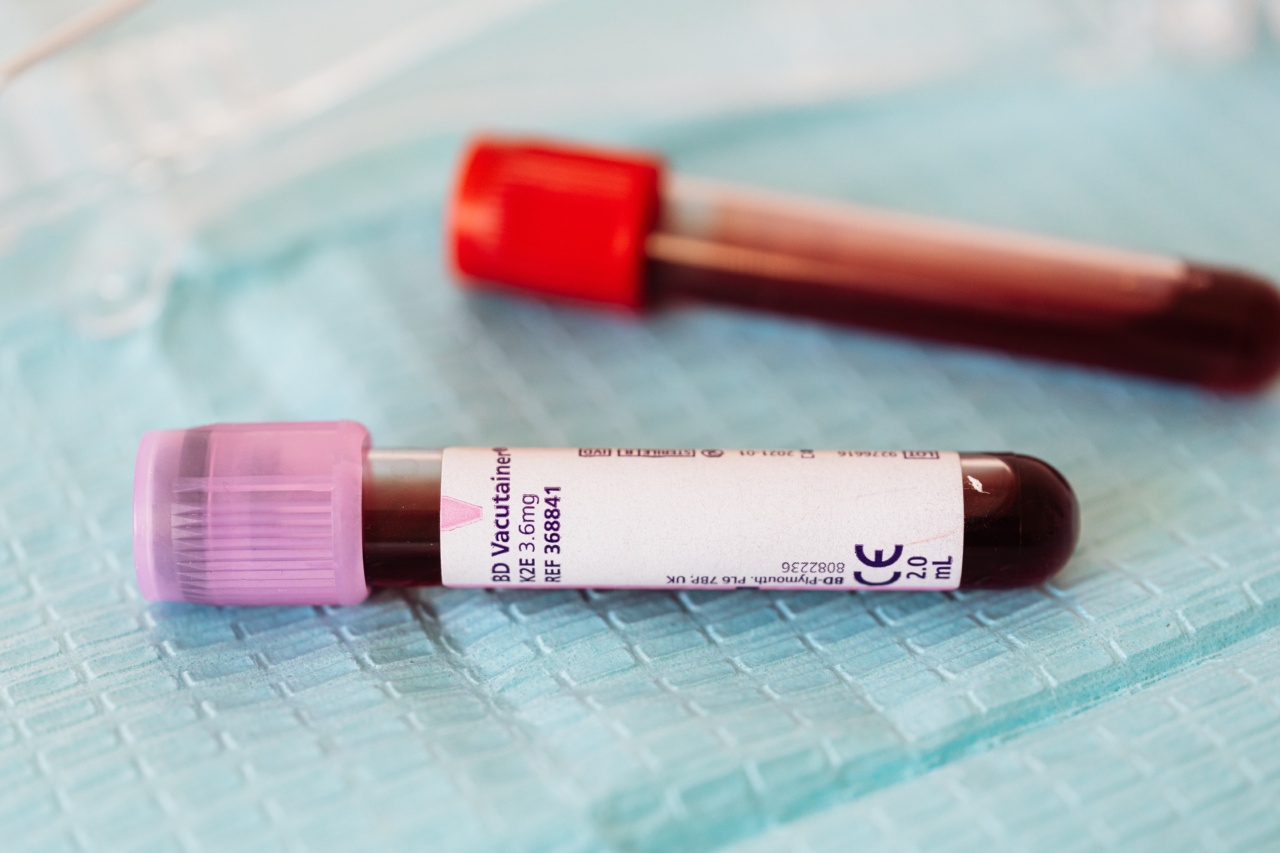
The blood test works by measuring the concentration of Aβ42 proteins in the blood. The entire procedure is relatively simple and non-invasive. The patient’s blood sample is collected, and the concentration of Aβ42 proteins is measured.
This measurement helps in determining whether the patient is at risk of developing Alzheimer’s or not. Early detection of Alzheimer’s through blood-based biomarkers, such as Aβ42, may assist physicians in initiating early interventions for patients who are at risk of developing the disease.
Related Article
Early detection of Alzheimer’s possible through blood test

Benefits of Early Detection
Early detection of Alzheimer’s could be a game-changer in the quest for finding possible treatments for the disease.
Current treatments for Alzheimer’s are primarily symptom-based and have limited efficacy in slowing cognitive decline or halting the disease’s progression. If Alzheimer’s could be detected in its early stages, before significant cognitive decline, it would give researchers a much greater window of opportunity to develop effective treatments for the disease.
Early detection also provides the patient and their family members more time to plan for the future. This may involve arranging for appropriate medical care, psychological support, or even end-of-life care.
Early planning provides patients and their family members the time to make informed decisions that are in their best interest.
The Future of Alzheimer’s Disease Diagnosis
The development of a blood test for early detection of Alzheimer’s is a significant breakthrough in the field of Alzheimer’s diagnosis and treatment.
While this research is still in its early stages, it provides a glimpse of a possible future where Alzheimer’s disease is detected in its initial stages, and effective treatments are developed to manage the disease.
With this new discovery, researchers are now in a better position to develop a more accurate and efficient method for diagnosing Alzheimer’s disease.
This could include the creation of a biomarker panel that combines blood-based biomarkers, genetic biomarkers, and cognitive testing to improve the accuracy and reliability of the diagnosis.
Conclusion
The development of a simple blood test that can detect Alzheimer’s disease earlier than ever before is a significant breakthrough.
Early detection provides patients and their families with valuable time to prepare for the future, and researchers with valuable time to develop effective treatments for the disease. As researchers continue to investigate the possibilities and limitations of the blood-based biomarkers for Alzheimer’s disease, the development of more accurate diagnostic tests, and more effective treatments is on the horizon.


