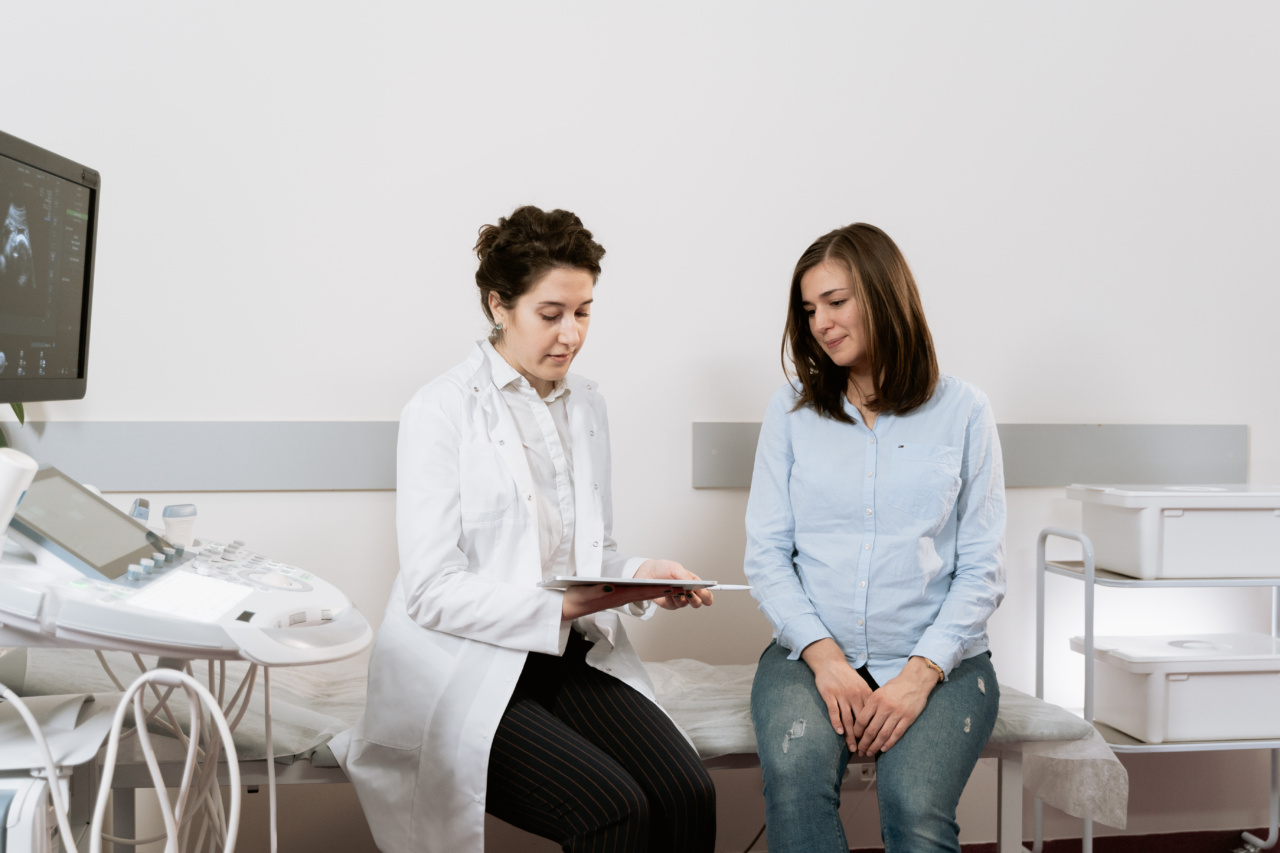
Expectant mothers go through various physical and hormonal changes during pregnancy. While these changes are normal and necessary for a healthy pregnancy, they can sometimes lead to the development of certain health conditions.
Two conditions that can pose significant risks to both the mother and the unborn baby are diabetes and hypertension. Understanding the dangers associated with this dangerous duo is crucial in ensuring a safe and healthy pregnancy.
What is Diabetes?
Diabetes is a chronic medical condition that affects how the body metabolizes glucose. There are three main types of diabetes: type 1, type 2, and gestational diabetes.
Type 1 diabetes is an autoimmune disease where the body’s immune system mistakenly attacks and destroys the insulin-producing cells in the pancreas. Type 2 diabetes occurs when the body becomes resistant to the effects of insulin or when the pancreas fails to produce enough insulin. Gestational diabetes, on the other hand, develops during pregnancy and usually resolves after giving birth.
What is Hypertension?
Hypertension, commonly known as high blood pressure, is a condition where the force of blood against the walls of the blood vessels is consistently too high.
It can be classified as either primary (essential) hypertension, which has no identifiable cause, or secondary hypertension, which is caused by an underlying health condition. Hypertension is often referred to as the “silent killer” as it usually has no symptoms but can have severe consequences if left unmanaged.
The Link between Diabetes and Hypertension
Research has shown a strong connection between diabetes and hypertension. People with diabetes are at a higher risk of developing hypertension, and vice versa.
The exact underlying mechanisms for this link are not yet fully understood, but it is believed to involve various factors such as insulin resistance, inflammation, and genetic predisposition. The combination of diabetes and hypertension can lead to a significant increase in health risks, especially during pregnancy.
Risks for Expectant Mothers
When diabetes and hypertension coexist in expectant mothers, the risks associated with pregnancy are compounded.
The presence of these conditions increases the likelihood of developing complications such as preeclampsia, gestational diabetes, preterm birth, and cesarean delivery.
Preeclampsia
Preeclampsia is a potentially dangerous condition characterized by high blood pressure and damage to organs, usually the liver and kidneys.
It can lead to serious complications for both the mother and the baby, including restricted fetal growth, premature birth, placental abruption, and even maternal and fetal death. The risk of developing preeclampsia is significantly higher in expectant mothers with diabetes and hypertension.
Gestational Diabetes
Gestational diabetes is a form of diabetes that develops during pregnancy.
It can present risks for both the mother and the baby, including high birth weight, respiratory distress syndrome, hypoglycemia in the newborn, and an increased likelihood of developing type 2 diabetes later in life. Expectant mothers who already have diabetes along with hypertension are at an increased risk of developing gestational diabetes.
Preterm Birth
The combination of diabetes and hypertension increases the risk of preterm birth.
Preterm birth, defined as delivery before 37 weeks of gestation, can lead to various complications for the baby, including respiratory distress syndrome, neurological problems, and developmental delays. It also increases the risk of health issues for the mother, such as uterine bleeding and infection.
Cesarean Delivery
Expectant mothers with diabetes and hypertension are more likely to require a cesarean delivery.
This could be due to factors such as macrosomia (a condition in which the baby is significantly larger than average), preeclampsia, or other complications that make a vaginal delivery risky.
Management and Prevention Strategies
Managing diabetes and hypertension during pregnancy requires a multi-faceted approach. Here are some strategies that can help in the management and prevention of complications:.
1. Regular Medical Check-ups
Regular visits to healthcare providers are essential for monitoring blood glucose levels, blood pressure readings, and overall health.
Related Article
Managing the risks of diabetes and hypertension in pregnancy

Healthcare professionals can provide guidance on medication, dietary changes, exercise routines, and lifestyle modifications to manage diabetes and hypertension effectively.
2. Medication Management
Some medications that are commonly used for diabetes and hypertension management may not be safe during pregnancy.
It is crucial to consult with healthcare providers to adjust medication regimens, if necessary, and ensure the safety of both the mother and the baby.
3. Healthy Diet
Eating a well-balanced diet is important for controlling blood glucose levels and managing blood pressure.
A diet rich in fruits, vegetables, whole grains, lean proteins, and healthy fats can provide essential nutrients while keeping blood sugar and blood pressure within recommended ranges.
4. Regular Exercise
Engaging in regular physical activity can help improve insulin sensitivity, control weight gain, and manage blood pressure.
It is important to consult with healthcare providers before starting or continuing an exercise regimen during pregnancy to ensure safety and optimal benefits.
5. Blood Glucose Monitoring
Monitoring blood glucose levels regularly, as recommended by healthcare providers, is crucial for managing diabetes during pregnancy. This helps in identifying any fluctuations and taking necessary actions to keep blood sugar levels under control.
6. Blood Pressure Monitoring
Regular monitoring of blood pressure helps identify any spikes or abnormalities. Home blood pressure monitoring may be recommended to track blood pressure between medical visits and detect any potential concerns early on.
7. Weight Management
Maintaining a healthy weight during pregnancy is essential for managing both diabetes and hypertension. Healthcare providers can provide guidance on appropriate weight gain targets based on individual circumstances.
8. Stress Management
Stress can exacerbate both diabetes and hypertension. Engaging in stress-relieving activities, such as meditation, yoga, and relaxation techniques, can help in managing stress levels and promoting overall well-being during pregnancy.
9. Supportive Care
Having a strong support network can greatly benefit expectant mothers dealing with diabetes and hypertension.
Emotional support from loved ones, participation in support groups, and open communication with healthcare providers can help in navigating the challenges that come with these conditions.
10. Education and Awareness
Staying informed about diabetes and hypertension, their risks, and potential complications is empowering for expectant mothers.
Attending educational classes, seeking reliable resources, and asking questions during healthcare appointments can provide valuable knowledge for self-care and decision-making.
Conclusion
Diabetes and hypertension are a dangerous duo that can significantly impact the health of expectant mothers and their unborn babies.
The combination of these conditions increases the risks associated with pregnancy, such as preeclampsia, gestational diabetes, preterm birth, and the need for cesarean delivery. However, with proper management and prevention strategies, these risks can be minimized.
Regular medical check-ups, medication management, a healthy diet, regular exercise, blood glucose and pressure monitoring, weight management, stress management, supportive care, and education can all contribute to a safe and healthy pregnancy for women with diabetes and hypertension. Seeking early and ongoing prenatal care is crucial to better understand individual risks and receive appropriate guidance from healthcare providers.
By taking proactive measures and working closely with healthcare teams, expectant mothers can reduce the potential dangers posed by this dangerous duo and ensure the best possible outcomes for themselves and their babies.


