Pregnancy is a wonderful journey for every mother, but it is also a period of increased risks. One of the health concerns that women may face during pregnancy is the development of diabetes or hypertension.
These conditions can create complications for both the mother and her baby and require careful management to reduce the risks.
Understanding diabetes and hypertension in pregnancy
Diabetes is a metabolic disorder where the body has difficulty producing or utilizing insulin, resulting in high levels of glucose in the blood.
This condition can develop during pregnancy (gestational diabetes) or may already exist before conception (pre-existing diabetes).
Hypertension, on the other hand, is a condition characterized by high blood pressure. It can occur during pregnancy (gestational hypertension) or pre-exist in the mother before pregnancy (chronic hypertension).
Related Article
The double-whammy: Diabetes and hypertension during pregnancy

Risks associated with diabetes and hypertension in pregnancy
Both diabetes and hypertension can create various risks for mother and baby during pregnancy. For the mother, these could include:.
- Increased risk of preeclampsia (a condition that can lead to high blood pressure and damage to organs like the liver and kidneys)
- Increased risk of gestational hypertension
- Increased risk of developing type 2 diabetes later in life
- Increased risk of premature delivery
- Increased risk of needing a cesarean delivery
For the baby, the risks of these conditions can include:.
- Increased risk of preterm birth
- Increased risk of macrosomia (having a birth weight greater than 8 lbs. 13 oz, or 4,000 g)
- Increased risk of neonatal hypoglycemia (low blood sugar)
- Increased risk of respiratory distress syndrome
- Increased risk of stillbirth
Preventing and managing diabetes and hypertension in pregnancy
The good news is that there are ways to prevent or manage diabetes and hypertension during pregnancy. Here are some tips:.
- Pre-conception counseling: If you have a history of diabetes or hypertension, it is essential to consult your healthcare provider before getting pregnant. This step will enable you to take any necessary precautions and begin managing these conditions effectively.
- Healthy eating: Eating a healthy, balanced diet is crucial for both mother and baby during pregnancy. It would be best to include foods that are low in sugar and salt and high in fiber, vitamins, and minerals. Consult a registered dietitian to create a meal plan that works for you.
- Regular exercise: Regular physical activity is not only good for your overall health but can help regulate blood sugar levels and blood pressure during pregnancy. Consult your healthcare provider before starting any exercise routine, especially if you have pre-existing conditions.
- Monitoring blood glucose levels: Routinely monitor blood glucose levels if you have diabetes, either through a glucose meter or glycated hemoglobin (HbA1c) tests. Work with your healthcare provider to keep your blood glucose levels within a healthy range.
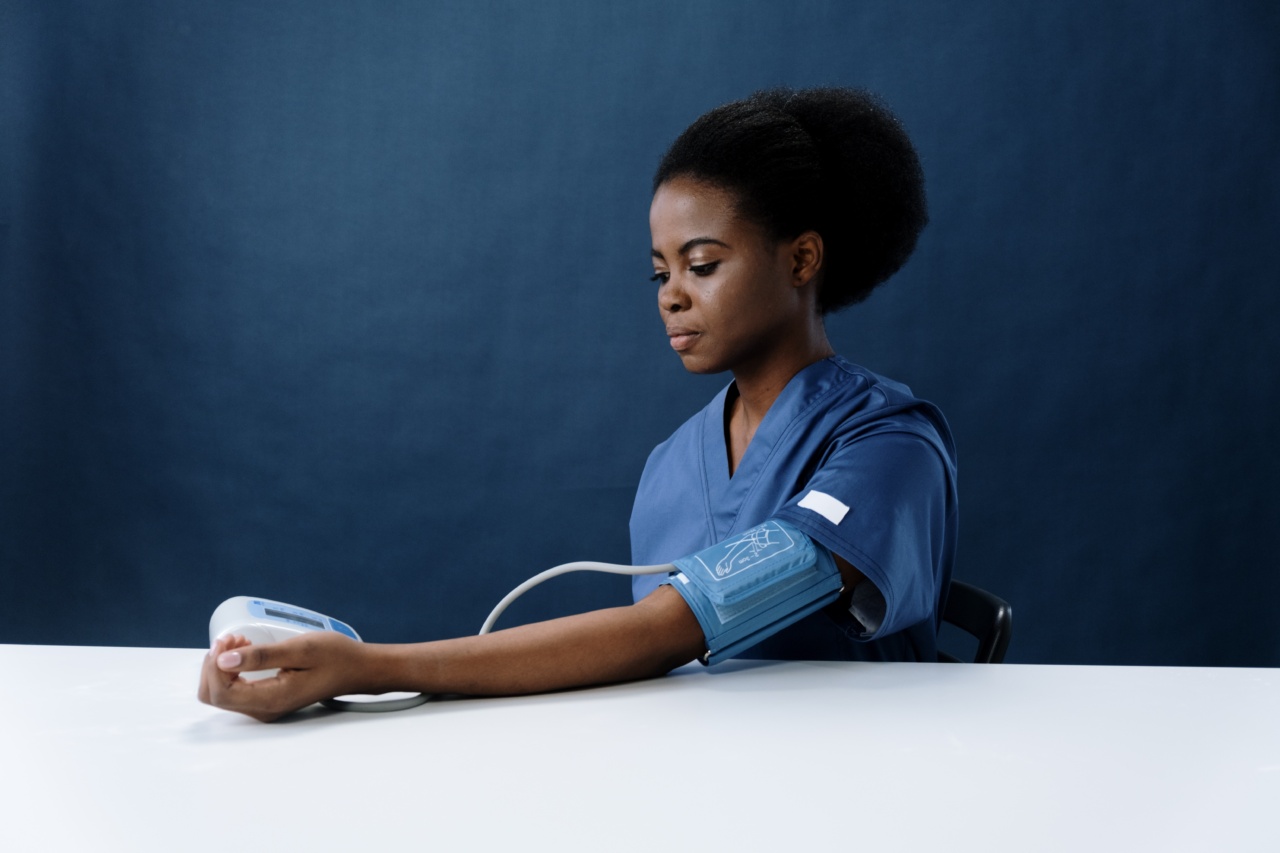
- Managing blood pressure: If you have hypertension, regularly check and monitor your blood pressure levels. Your healthcare provider may prescribe medication to manage hypertension during pregnancy.
Conclusion
Pregnancy can be challenging for women, especially if they have pre-existing conditions like diabetes or hypertension. However, by taking necessary precautions and following a healthy lifestyle, these conditions can be managed effectively.
It is always advisable to consult your healthcare provider for guidance in managing these conditions during pregnancy.


