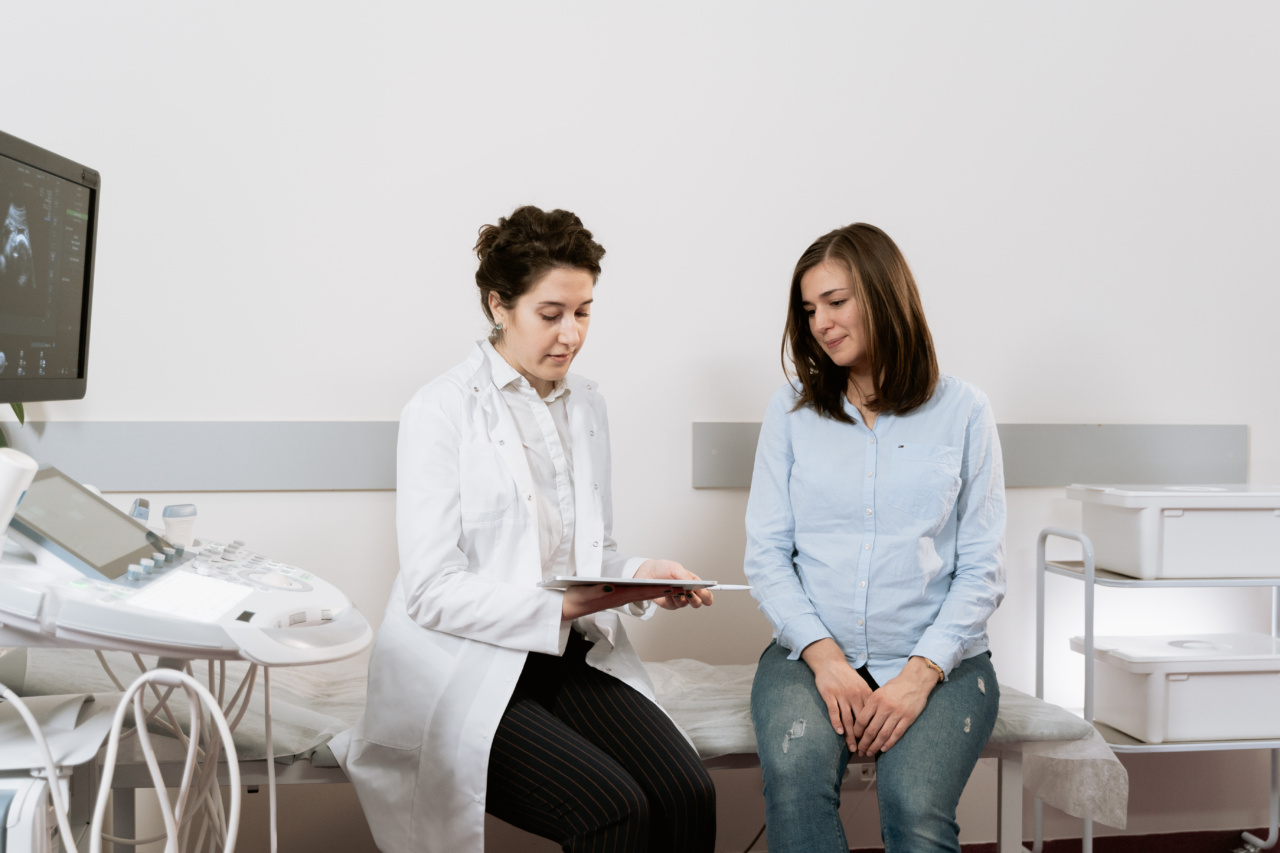
Pregnancy is a significant phase in a woman’s life. However, for women with pre-existing medical conditions such as diabetes and hypertension, pregnancy brings unique challenges and concerns.
This article explores the medical concerns that pregnant women with diabetes and hypertension may face and the necessary precautions and treatments to ensure a healthy pregnancy and delivery.
What is Diabetes?
Diabetes is a chronic condition characterized by high blood sugar levels. During pregnancy, diabetes can affect both the mother and the developing baby. There are two types of diabetes:.
Type 1 Diabetes
Type 1 diabetes is an autoimmune disease where the body’s immune system mistakenly attacks the insulin-producing cells in the pancreas. This type of diabetes is usually diagnosed during childhood or adolescence, but it can develop at any age.
Managing type 1 diabetes during pregnancy requires careful monitoring of blood sugar levels and insulin therapy.
Type 2 Diabetes
Type 2 diabetes occurs when the body becomes resistant to the effects of insulin or the pancreas fails to produce enough insulin. It is often associated with obesity and a sedentary lifestyle.
Pregnant women with pre-existing type 2 diabetes need to monitor their blood sugar levels, maintain a balanced diet, and engage in regular physical activity.
Medical Concerns for Pregnant Women with Diabetes
Pregnant women with diabetes are at a higher risk of developing certain complications, including:.
Gestational Diabetes
Gestational diabetes is a condition that develops during pregnancy, even in women who did not have diabetes before. It usually occurs in the second or third trimester and is caused by hormonal changes that impair insulin function.
Women with gestational diabetes need to monitor their blood sugar levels, modify their diet, and, in some cases, take insulin to keep their blood glucose under control.
Preeclampsia
Preeclampsia is a condition characterized by high blood pressure and damage to organs such as the liver and kidneys.
Pregnant women with diabetes have an increased risk of developing preeclampsia, which can lead to complications for both the mother and the baby. Regular prenatal check-ups, blood pressure monitoring, and early detection of preeclampsia symptoms are crucial for managing this condition.
Macrosomia
Macrosomia refers to having a larger-than-average baby. When a pregnant woman’s blood sugar levels are consistently high, the baby receives more glucose than needed, leading to excessive growth.
Delivering a macrosomic baby can be challenging and pose risks for both the mother and the baby. Close monitoring of blood sugar levels, maintaining a healthy diet, and regular prenatal visits are vital to prevent macrosomia.
Related Article
Managing the risks of diabetes and hypertension in pregnancy

Preconception Planning for Women with Diabetes
Preconception planning is essential for women with diabetes who wish to become pregnant. It involves optimizing blood sugar control, managing any existing complications, and addressing any additional medical concerns.
Before trying to conceive, it is crucial for women with diabetes to consult their healthcare provider to ensure their diabetes is well-managed and to make any necessary adjustments to medications or treatment plans.
What is Hypertension?
Hypertension, also known as high blood pressure, is a medical condition characterized by elevated blood pressure levels. Women with hypertension who become pregnant face particular challenges and risks during pregnancy.
Pregnancy-induced Hypertension
Pregnancy-induced hypertension, also known as gestational hypertension, is high blood pressure that develops during pregnancy. It typically occurs after the 20th week of gestation and usually resolves after delivery.
Close monitoring of blood pressure levels and regular prenatal check-ups are essential to ensure the well-being of both the mother and the baby. In some cases, medication may be required to manage hypertension during pregnancy.
Preeclampsia and Hypertension
Preeclampsia, as mentioned before, is a condition that involves high blood pressure. Pregnant women with pre-existing hypertension are at an increased risk of developing preeclampsia.
Preeclampsia can lead to complications such as placental abruption and organ damage. It is crucial for women with hypertension to work closely with their healthcare provider to monitor blood pressure levels, manage medications, and detect preeclampsia symptoms early.
Risks for the Baby
Pregnant women with diabetes and hypertension are not only at risk themselves but also have an increased likelihood of complications for their babies, including:.
Preterm Birth
Women with diabetes and hypertension are more likely to deliver their babies prematurely. Preterm birth poses risks to the baby’s development and overall health.
Regular prenatal care, close monitoring of blood sugar and blood pressure levels, and early intervention when necessary are crucial to minimize the risk of preterm birth.
Birth Defects
Babies born to women with diabetes have a higher risk of developing birth defects, particularly involving the heart, spine, and kidneys.
Close monitoring during pregnancy helps identify any potential birth defects early, allowing for appropriate medical care and interventions after birth.
Conclusion
Pregnancy can be complex and challenging for women with pre-existing medical conditions such as diabetes and hypertension.
However, with proper medical care, regular monitoring, and lifestyle modifications, women can have successful pregnancies and healthy deliveries. Close collaboration with healthcare providers and adherence to recommended treatment plans are crucial for managing the medical concerns associated with diabetes and hypertension during pregnancy.


