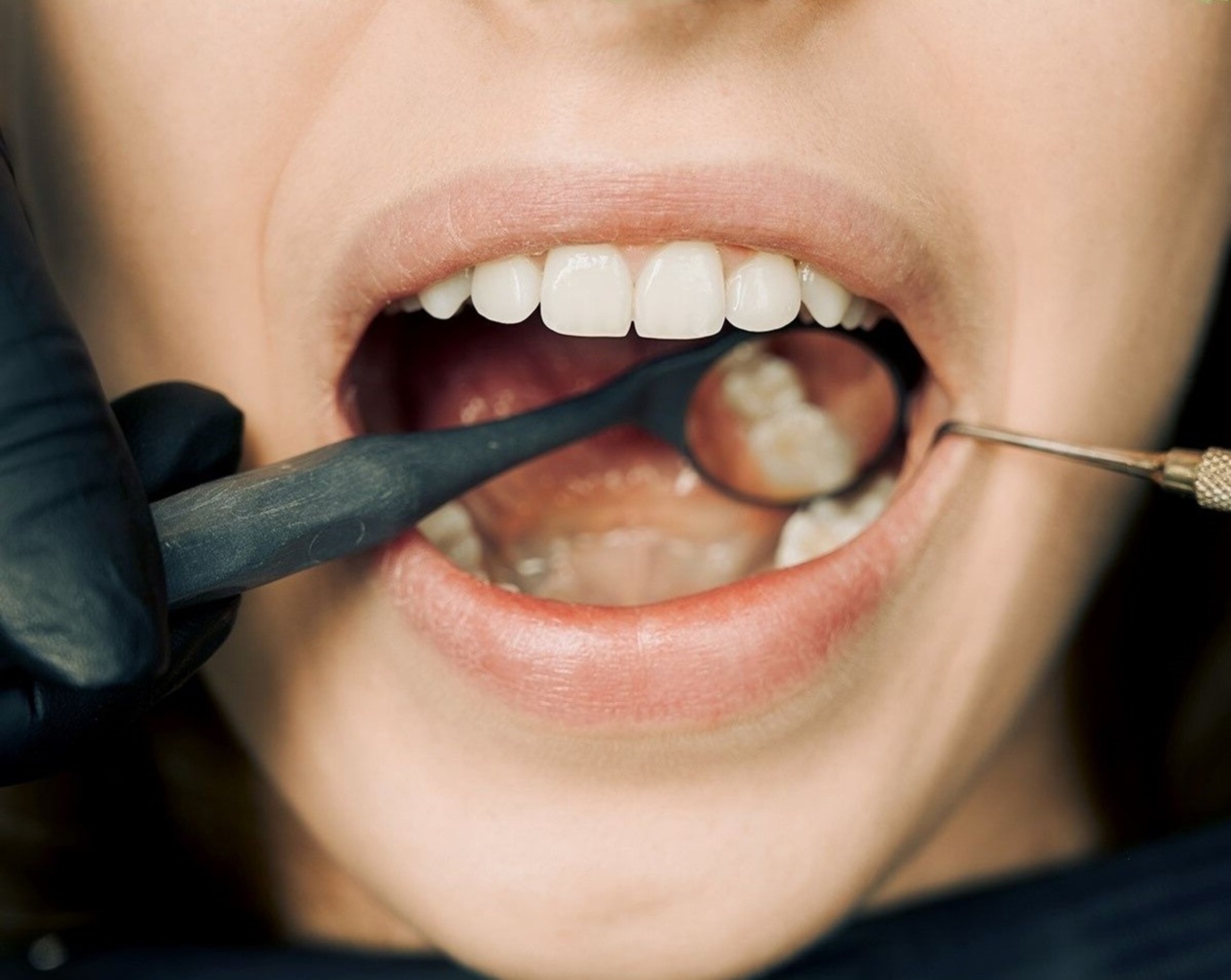
Dental problems are a common occurrence among people of all ages. These problems can range from simple cavities to complex gum diseases.
Most dental problems can be prevented with proper care, but sometimes they are caused by factors that are beyond our control. In this article, we’ll explore what really causes dental problems and how to prevent them.
1. Poor Oral Hygiene
The most common cause of dental problems is poor oral hygiene. Failing to brush and floss regularly can lead to a buildup of plaque and tartar that can damage the teeth and gums.
Plaque is a sticky film of bacteria that forms on the teeth, while tartar is a hard deposit that can only be removed by a dentist. If left untreated, plaque and tartar can lead to cavities, gum disease, and other dental problems.
2. Diet and Nutrition
Diet and nutrition also play a major role in dental health. Consuming sugary or acidic foods and drinks can erode tooth enamel, which can lead to cavities and other dental problems.
On the other hand, consuming a healthy diet that’s rich in vitamins and minerals can help strengthen the teeth and gums and protect against dental problems.
3. Genetics
Some dental problems are caused by genetics. For example, some people are more prone to cavities or gum disease due to their genes.
If your parents or grandparents struggled with dental problems, you may be at a higher risk of developing similar problems.
4. Age
Dental problems can become more common as we age. This is because the teeth and gums naturally weaken over time, making them more susceptible to damage. Older adults are also more likely to have gum disease, which can lead to other dental problems.
5. Medications
Some medications can have an impact on dental health. For example, some medications can reduce saliva production, which can lead to dry mouth. Dry mouth can increase the risk of cavities and other dental problems.
Other medications, such as antihistamines and antidepressants, can cause gum overgrowth, which can make it difficult to clean the teeth and gums properly.
6. Smoking and Tobacco Use
Smoking and tobacco use can have a significant impact on dental health. Smoking can stain the teeth and increase the risk of gum disease, while tobacco use can cause oral cancer.
Both smoking and tobacco use can also reduce blood flow to the gums, which can slow down the healing process and make it more difficult to treat dental problems.
7. Trauma
Dental problems can also be caused by trauma to the teeth and gums. Physical sports or accidents can cause chipped or broken teeth, while biting down on hard objects can cause tooth damage.
Trauma can also cause gum damage, which can lead to gum disease and other dental problems.
8. Hormonal Changes
Hormonal changes can also impact dental health. For example, women may be more prone to gum disease during pregnancy or menopause due to hormonal changes.
Hormonal changes can also cause dry mouth, which can increase the risk of cavities and other dental problems.
9. Medical Conditions
Some medical conditions can have an impact on dental health. For example, diabetes can increase the risk of gum disease and other dental problems.
Other conditions, such as cancer or HIV/AIDS, can affect the immune system, making it more difficult for the body to fight off oral infections.
10. Stress
Finally, stress can also impact dental health. Stress can cause people to grind their teeth or clench their jaw, which can cause tooth damage and lead to other dental problems.
Stress can also weaken the immune system, making it more difficult to fight off oral infections.
Preventing Dental Problems
Fortunately, many dental problems can be prevented with proper care. This includes brushing and flossing regularly, consuming a healthy diet, avoiding smoking and tobacco use, and visiting the dentist for regular checkups and cleanings.
It’s also important to address any medical conditions or medications that may impact dental health and to manage stress levels through relaxation techniques or therapy.
Conclusion
Dental problems can be caused by a variety of factors, ranging from poor oral hygiene to genetics to medical conditions. By understanding the underlying causes of dental problems, we can take steps to prevent them and maintain healthy teeth and gums.
If you have concerns about your dental health or are experiencing dental problems, be sure to consult with your dentist.


