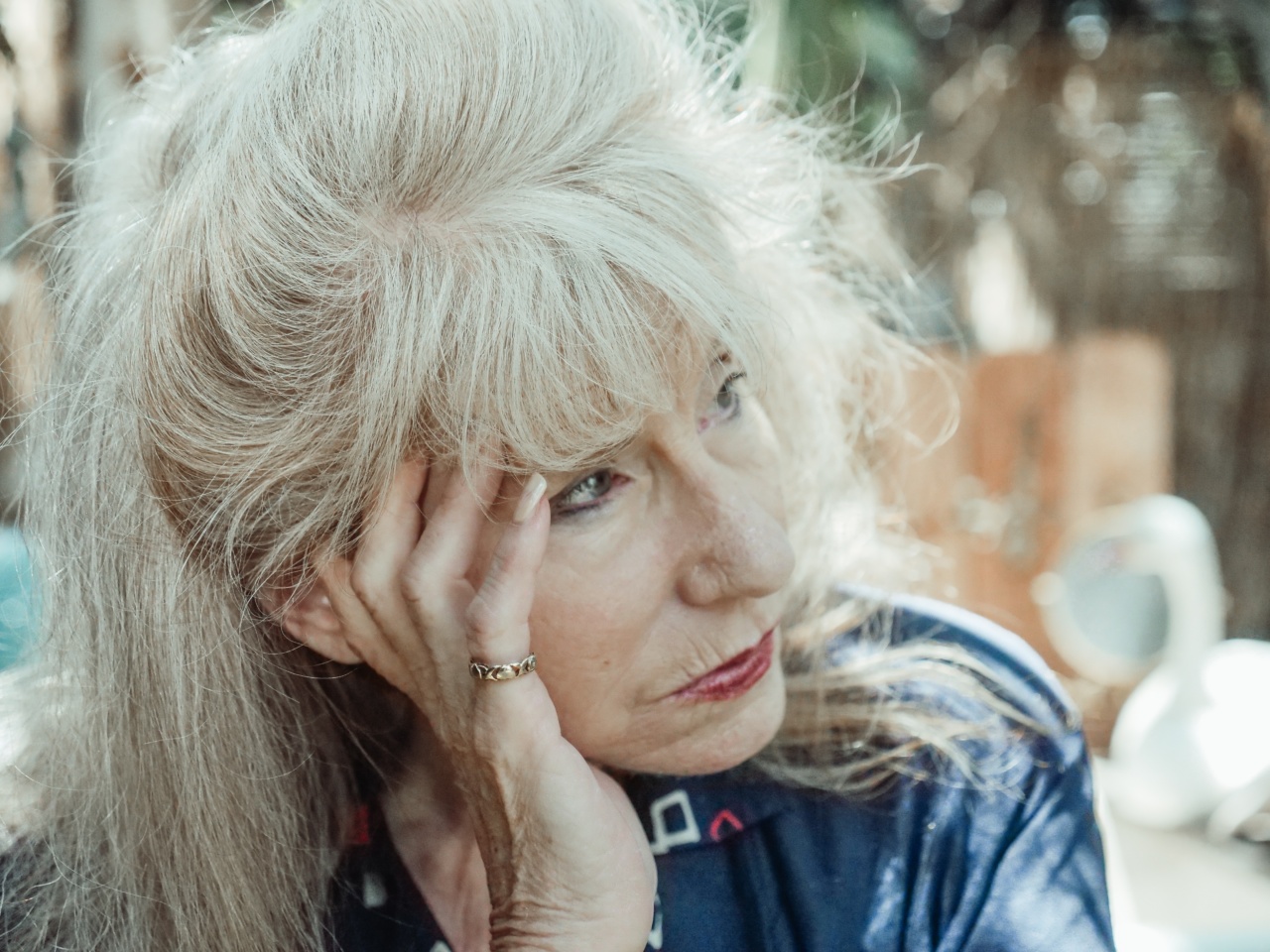
Dealing with hair loss can be a challenging experience, especially when it is triggered by anxiety.
Hair loss itself is a distressing condition, and when coupled with the emotional burden of anxiety, it can significantly impact one’s self-esteem and overall well-being. In this article, we will explore the relationship between hair loss and anxiety and provide effective coping strategies to help you manage this condition.
The Connection Between Hair Loss and Anxiety
Hair loss triggered by anxiety falls under a condition known as telogen effluvium. Telogen effluvium is a type of hair loss that occurs due to a disruption in the hair growth cycle.
Normally, about 90% of hair is in the growth phase (anagen), while the remaining 10% is in the resting phase (telogen). However, during times of intense stress or anxiety, a significant number of hair follicles can prematurely enter the resting phase and eventually fall out.
Anxiety affects the body in various ways, and one of those ways is through the release of stress hormones such as cortisol. These hormones can disrupt the normal hair growth cycle, leading to hair loss.
Additionally, anxiety often triggers unhealthy habits such as pulling or twisting the hair, further exacerbating the hair loss problem.
Identifying Hair Loss Triggered by Anxiety
It is important to differentiate hair loss caused by anxiety from other types of hair loss, as the treatment options and coping mechanisms may vary. Here are some signs that can help you identify whether your hair loss is anxiety-related:.
1. Sudden Onset of Hair Loss
If your hair loss started abruptly and you notice excessive shedding within a short period, anxiety could be a probable cause.
2. Thinning All Over the Scalp
Hair loss triggered by anxiety typically leads to a diffuse thinning pattern rather than localized bald patches. You may notice an overall decrease in hair volume and thickness.
3. Absence of Scalp Irritation or Inflammation
Unlike conditions such as alopecia areata, hair loss due to anxiety usually does not cause scalp itching, redness, or inflammation.
Coping Strategies for Hair Loss Triggered by Anxiety
If you are experiencing hair loss as a result of anxiety, it is essential to address both the underlying anxiety and the hair loss itself. Here are some strategies that can help you cope:.
1. Seek Professional Help
Consulting with a healthcare professional, such as a dermatologist or therapist, is a crucial first step.
They can evaluate your condition, rule out any underlying medical causes, and provide appropriate treatment options or therapies to manage your anxiety.
2. Practice Stress Management Techniques
Implementing stress management techniques can help reduce anxiety levels and minimize hair loss. Try incorporating activities such as deep breathing exercises, meditation, yoga, or engaging in hobbies that promote relaxation.
Related Article
Anxiety-induced hair loss: Effective ways to manage it

3. Maintain a Balanced Diet
A nutritious diet plays a vital role in hair health. Ensure your meals include a variety of fruits, vegetables, lean proteins, and healthy fats.
Consider incorporating foods rich in biotin, vitamin E, and iron, as these nutrients are essential for promoting hair growth and strength.
4. Avoid Hairstyles or Treatments That Cause Tension
Avoid hairstyles that pull tightly on the hair, as they can add unnecessary stress to the already fragile hair follicles. Similarly, refrain from using harsh chemicals or heat treatments that can further damage the hair.
5. Use Gentle Hair Care Products
Choose hair care products that are gentle and formulated for hair loss or sensitive scalps. Look for shampoos and conditioners that nourish and strengthen the hair without causing additional damage.
6. Seek Emotional Support
Dealing with hair loss triggered by anxiety can take a toll on your emotional well-being. Reach out to friends, family, or support groups who can provide a safe space for you to express your concerns and seek encouragement.
7. Consider Cognitive Behavioral Therapy
Cognitive Behavioral Therapy (CBT) is a therapeutic approach that can help individuals identify and reframe negative thoughts and behaviors. It can be beneficial in managing anxiety and the emotional distress associated with hair loss.
8. Avoid Self-Diagnosis and Overconsumption of Information
While it is essential to educate yourself about your hair loss condition, avoid falling into the trap of self-diagnosis and excessive consumption of information. It is best to rely on expert advice and guidance to avoid unnecessary stress and anxiety.
9. Explore Hair Loss Treatments
Depending on the severity of your hair loss, there are various treatment options available. These may include topical medications, oral medications, laser therapy, or hair transplantation.
Consult with a dermatologist or hair loss specialist to determine the most suitable treatment for your specific condition.
10. Practice Self-Care and Acceptance
Remember to prioritize self-care and practice self-acceptance throughout your hair loss journey.
Surround yourself with positive influences, engage in activities that bring you joy, and focus on things that make you feel confident and beautiful beyond your hair.
Conclusion
Hair loss triggered by anxiety can be a challenging experience, but with the right strategies and support, it is possible to manage and cope with this condition.
Remember to address both the underlying anxiety and the hair loss itself, seeking professional help as needed. By implementing stress management techniques, maintaining a balanced diet, using gentle hair care products, and exploring appropriate treatments, you can regain control over your hair health and overall well-being.


