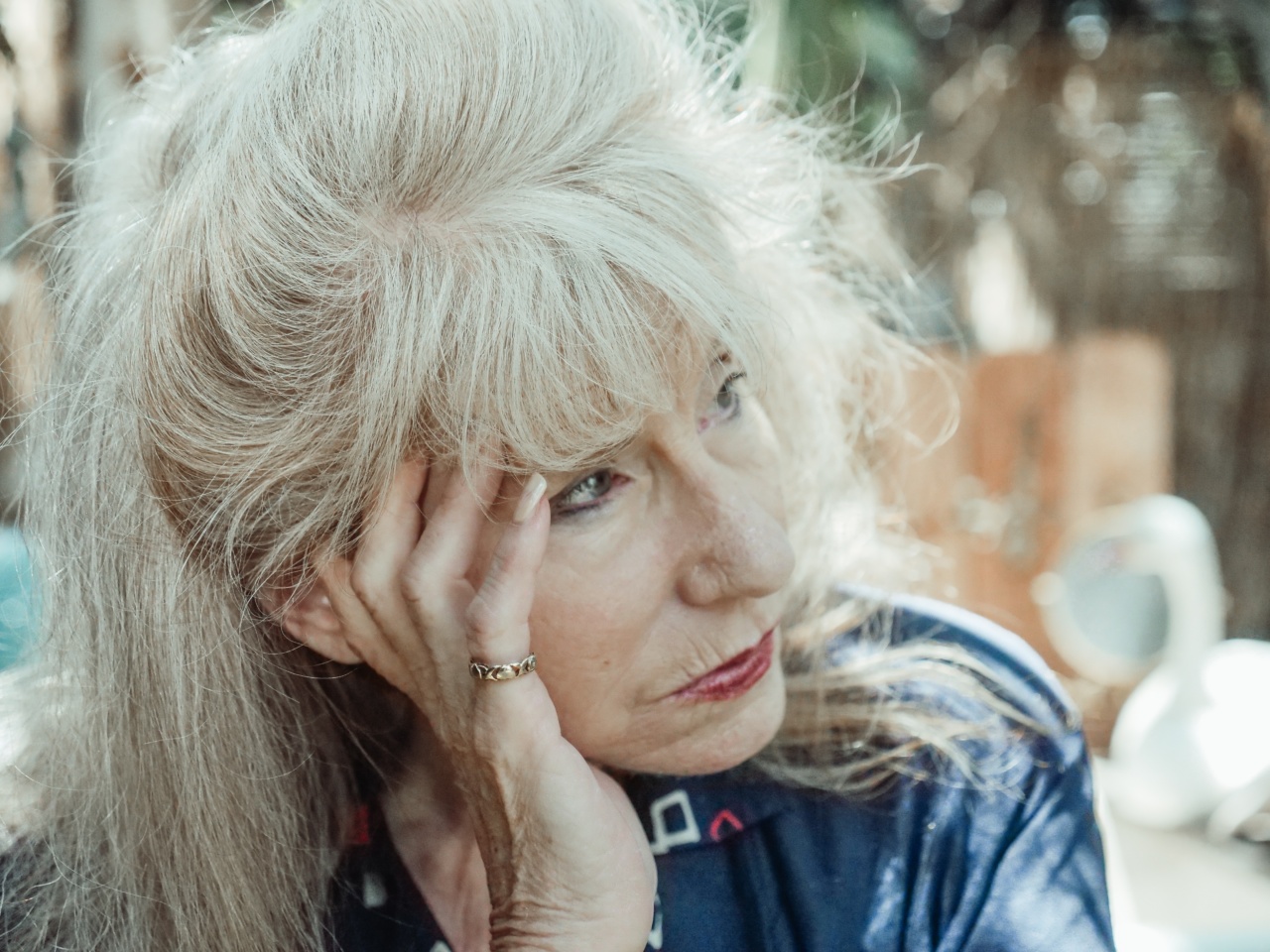
Anxiety is a common mental health problem that affects millions of people around the world. It can manifest in different ways, including hair loss.
When you’re going through a difficult time, your body can react in various ways, and hair loss could be one of them.
There are many reasons why anxiety can lead to hair loss. For example, when you’re feeling anxious, your body produces more stress hormone cortisol, which can disrupt your hair growth cycle.
This can cause your hair to fall out prematurely, resulting in thinning hair or bald spots.
The good news is that there are effective ways to manage anxiety-induced hair loss. Here are some strategies that can help:.
1. Seek professional help
If you’re struggling with anxiety-induced hair loss, the first step is to seek professional help. This could mean talking to a therapist or counselor, or seeing a doctor or dermatologist.
They can help you identify the root cause of your hair loss and develop a treatment plan to manage your anxiety and promote hair growth.
2. Practice stress-reducing activities
There are many stress-reducing activities that you can incorporate into your daily routine to help manage anxiety. These may include exercise, yoga, meditation, deep breathing, or taking a relaxing bath.
Whatever works for you, make sure you’re making time every day to do something that helps you feel calm and centered.
3. Eat a healthy diet
Your diet can also play a role in hair growth. Make sure you’re eating a healthy, balanced diet that includes plenty of protein, healthy fats, and vitamins and minerals that support hair growth, such as zinc, vitamin D, and iron.
Consider talking to a nutritionist or dietician for personalized recommendations.
4. Avoid harsh hair treatments
If you’re dealing with hair loss, it’s important to avoid harsh hair treatments that can further damage your hair. This may include hair dyes, straightening treatments, or chemical relaxers.
Related Article
Dealing with anxiety-related hair loss: What works

Instead, opt for gentler treatments that won’t further stress your hair.
5. Use hair growth products
There are many hair growth products on the market that can help stimulate hair growth and prevent hair loss.
Some options include minoxidil, which is a topical solution that’s applied directly to the scalp, or biotin supplements, which can help strengthen hair follicles and promote growth. Talk to your doctor or dermatologist about which products may work best for you.
6. Get enough rest
Sleep is critical for overall health and can also impact hair growth. Make sure you’re getting enough restful sleep each night to help manage anxiety and promote hair growth.
Aim for at least eight hours of sleep per night, and consider creating a relaxing pre-sleep routine to help you wind down.
7. Wear protective hairstyles
If you’re experiencing hair loss, wearing protective hairstyles can help minimize further damage to your hair. This may include braids, twists, or buns that keep your hair away from your scalp and prevent tugging or pulling.
8. Consider hair restoration options
If you’re dealing with significant hair loss, you may want to consider more long-term hair restoration options. This may include hair transplant surgery, scalp micropigmentation, or laser therapy.
Talk to your doctor or dermatologist about which options may work best for you.
9. Practice self-care
Finally, it’s important to practice self-care and prioritize your mental and emotional health.
This may include setting boundaries, saying no to obligations that don’t serve you, spending time with loved ones, or pursuing hobbies and activities that bring you joy and fulfillment. When you take care of yourself, you’re better able to manage anxiety and other mental health issues that can impact hair growth.
10. Stay patient
Remember, managing anxiety-induced hair loss is not an overnight process.
It may take time before you start seeing results, but with consistent effort and the right professional support, you can regain your hair and feel more confident and self-assured in the process.


