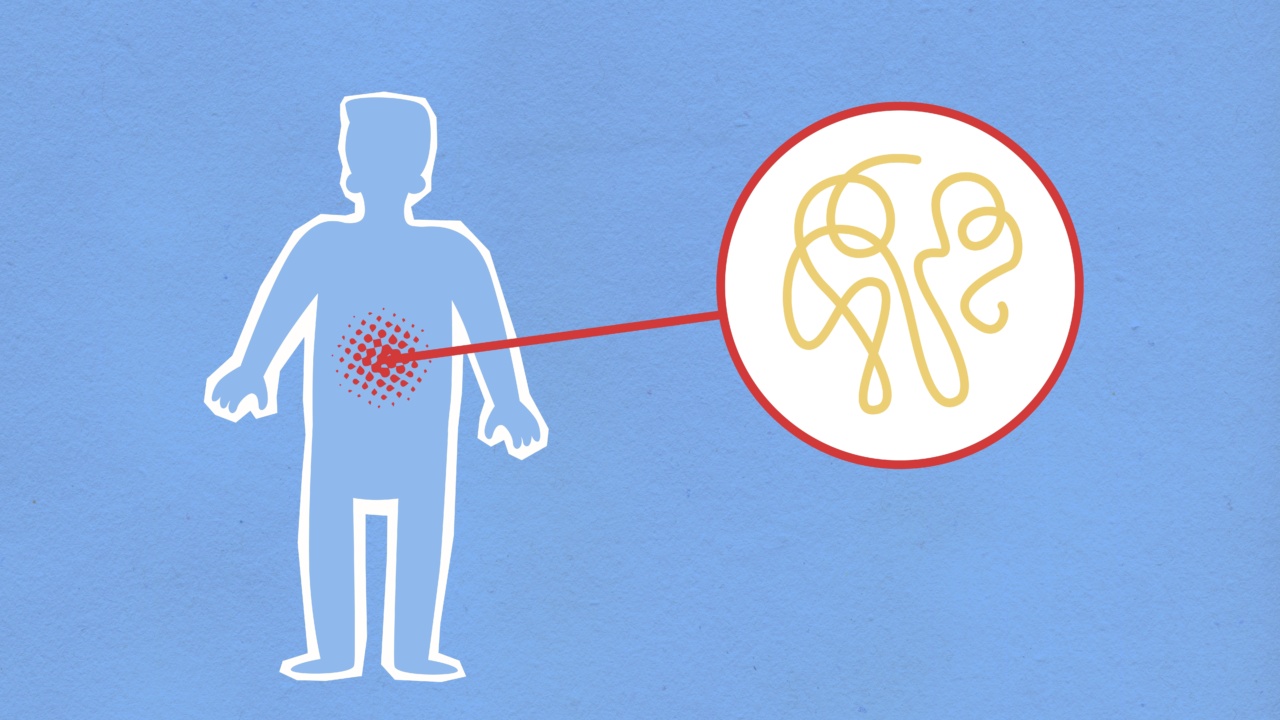
Inflammation is a natural process that occurs when the body’s immune system responds to an injury or infection. It is a vital defense mechanism that helps the body eliminate harmful substances and initiate the healing process.
The Stages of Inflammation
Inflammation typically progresses through four stages, which include:.
1. The Initial Injury or Infection
When the body is injured or infected, the immune system releases chemical signals to recruit immune cells to the affected area.
2. Vascular Responses
The blood vessels near the site of injury or infection dilate, allowing increased blood flow to the area. This increase in blood flow causes redness and warmth and helps deliver immune cells, antibodies, and nutrients to the affected area.
3. Formation of Exudate
Exudate, a fluid containing immune cells, proteins, and debris, accumulates at the site of inflammation. This fluid helps remove waste products and dead cells from the area.
4. Tissue Repair and Resolution
The final stage of inflammation involves the repair and regeneration of damaged tissues. Once the immune cells have completed their task, the inflammation subsides, and the healing process begins.
Acute vs. Chronic Inflammation
Inflammation can be classified into two types: acute and chronic.
1. Acute Inflammation
Acute inflammation is a short-term response that typically lasts a few days. It is characterized by the classic signs of inflammation, including redness, swelling, pain, heat, and loss of function.
Acute inflammation is beneficial and necessary for healing.
2. Chronic Inflammation
Chronic inflammation, on the other hand, is a prolonged and persistent inflammatory response that lasts for weeks, months, or even years.
It can result from unresolved acute inflammation, autoimmune disorders, or long-term exposure to irritants or toxins. Chronic inflammation can have detrimental effects on the body.
Causes of Chronic Inflammation
Several factors can contribute to chronic inflammation, including:.
1. Poor Diet
A diet high in processed foods, sugar, unhealthy fats, and low in fruits, vegetables, and whole grains can promote chronic inflammation.
2. Sedentary Lifestyle
Lack of physical activity can contribute to chronic inflammation. Regular exercise helps modulate the immune system and reduces inflammation.
3. Smoking
Smoking leads to chronic inflammation throughout the body. It damages the blood vessels, impairs lung function, and weakens the immune system.
4. Obesity
Excess body fat, especially around the abdomen, increases the production of inflammatory chemicals in the body.
Related Article
Discover How Inflammation Impacts the Body

5. Chronic Stress
Long-term stress triggers the release of stress hormones, which can contribute to inflammation. Stress management techniques and self-care practices are essential for reducing chronic inflammation.
Health Conditions Associated with Chronic Inflammation
Chronic inflammation has been linked to various health conditions, including:.
1. Cardiovascular Diseases
Chronic inflammation can damage blood vessels, leading to an increased risk of heart attacks, strokes, and other cardiovascular diseases.
2. Diabetes
Inflammation plays a role in insulin resistance, a hallmark of type 2 diabetes. Chronic inflammation can further exacerbate diabetes-related complications.
3. Autoimmune Diseases
Autoimmune diseases, such as rheumatoid arthritis, lupus, and multiple sclerosis, result from an overactive immune response that leads to inflammation and attacks healthy tissues.
4. Chronic Respiratory Diseases
Conditions like asthma and chronic obstructive pulmonary disease (COPD) involve chronic inflammation of the airways, making breathing difficult.
5. Digestive Disorders
Inflammatory bowel diseases (IBD), such as Crohn’s disease and ulcerative colitis, involve inflammation of the digestive tract, leading to symptoms like abdominal pain, diarrhea, and weight loss.
6. Cancer
Chronic inflammation can contribute to the development and progression of certain types of cancer. Inflammatory cells produce DNA-damaging substances and promote the growth of cancer cells.
Managing Inflammation
Reducing chronic inflammation can have a significant impact on overall health and wellbeing. Here are some strategies to manage inflammation:.
1. Adopting a Healthy Diet
Focus on consuming a balanced diet rich in fruits, vegetables, whole grains, lean proteins, and healthy fats. Avoid processed foods, sugary drinks, and excessive alcohol consumption.
2. Regular Exercise
Engaging in moderate-intensity exercise for at least 150 minutes per week can help reduce inflammation and strengthen the immune system.
3. Managing Stress
Practicing stress reduction techniques like meditation, deep breathing exercises, yoga, and spending time in nature can help lower inflammation levels.
4. Quit Smoking
Quitting smoking is crucial to reduce systemic inflammation and lower the risk of various health conditions.
5. Maintaining a Healthy Weight
Losing excess weight through a combination of a healthy diet and regular exercise can help reduce inflammation associated with obesity.
Conclusion
Inflammation is a critical process that aids in healing and fighting infections. However, when inflammation becomes chronic, it can have detrimental effects on the body and contribute to various health conditions.
By adopting a healthy lifestyle, managing stress, and making conscious choices, we can effectively reduce chronic inflammation and promote overall well-being.


