Menopause is a natural part of a woman’s life that typically occurs between the ages of 45 to 55. It marks the end of a woman’s reproductive years and is characterized by several physical and hormonal changes.
One of the most common symptoms experienced by women during menopause is hot flashes. In this article, we will explore the causes, symptoms, and effective coping strategies for dealing with menopause hot flashes.
Causes of Menopause Hot Flashes
Hot flashes are caused by hormonal fluctuations that occur during menopause. The decline in estrogen levels affects the hypothalamus, the part of the brain responsible for regulating body temperature.
This leads to sudden and intense feelings of heat, often accompanied by sweating and flushing of the skin.
While hormonal changes are the primary cause of hot flashes, several factors can trigger or exacerbate them. These triggers may include:.
- Spicy foods
- Caffeine
- Alcohol
- Tobacco
- Stress and anxiety
- Warm environments
- Tight clothing
Symptoms of Menopause Hot Flashes
Hot flashes can vary in intensity and duration, with some women experiencing mild flashes that come and go quickly, while others may have severe and prolonged episodes. The common symptoms associated with hot flashes include:.
- Sudden feelings of warmth, often in the upper body
- Flushed, red skin
- Excessive sweating
- Rapid heartbeat
- Chills after the hot flash
- Night sweats, which may disrupt sleep
It is important to note that hot flashes can significantly impact a woman’s quality of life, causing discomfort, embarrassment, and sleep disturbances.
Understanding how to cope with hot flashes can help alleviate these symptoms and improve overall well-being.
Coping Strategies for Menopause Hot Flashes
While it may not be possible to completely prevent hot flashes, there are several strategies that can help manage and reduce their frequency and intensity. Here are some effective coping strategies:.
1. Dress in Layers
Wearing lightweight clothing in layers allows for easy adjustment to changes in body temperature. This way, you can remove or add layers as needed.
2. Stay Cool
Keep your living environment cool by using fans or air conditioning. You can also use a cool cloth or ice pack to cool your skin during a hot flash.
3. Manage Stress
Stress and anxiety can trigger hot flashes or make them worse. Practicing stress-reducing techniques such as deep breathing, meditation, or yoga can help manage both stress and hot flashes.
Related Article
Understanding Menopause Hot Flashes: A Comprehensive Guide

4. Avoid Triggering Foods and Drinks
Spicy foods, caffeine, alcohol, and tobacco can all contribute to more frequent or intense hot flashes. Limiting or avoiding these triggers can help minimize hot flash occurrences.
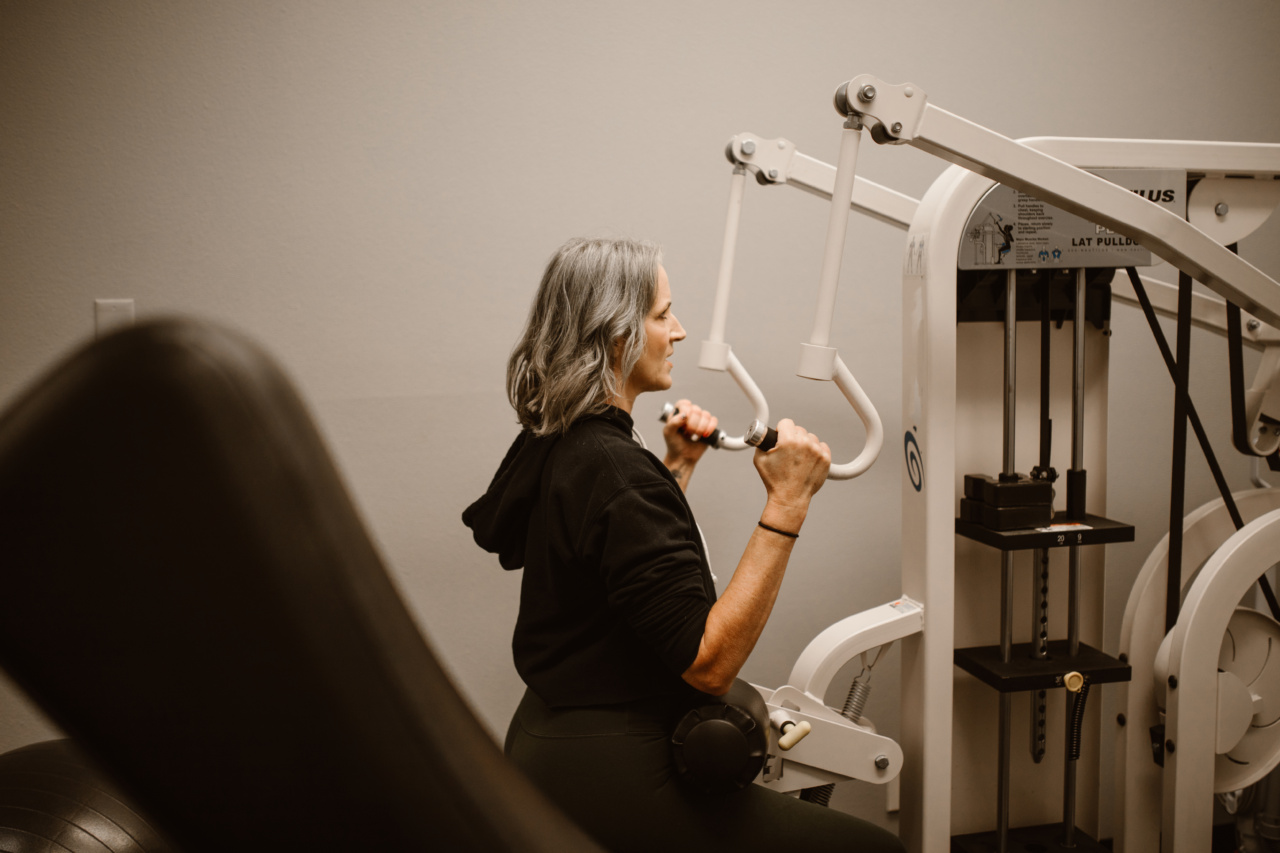
5. Regular Exercise
Engaging in regular physical activity can help regulate hormone levels and reduce the frequency of hot flashes. It also promotes overall well-being and helps manage other menopause symptoms.
6. Hormone Replacement Therapy
In some cases, hormone replacement therapy (HRT) may be recommended to alleviate hot flashes. HRT involves taking estrogen alone or in combination with progesterone to balance hormone levels.
It should be discussed with a healthcare professional to weigh the potential risks and benefits.
7. Herbal Remedies
Some herbal supplements, like black cohosh and evening primrose oil, have shown potential in reducing hot flashes.
However, it is important to consult with a healthcare professional before starting any herbal remedies to ensure their safety and effectiveness.
8. Relaxation Techniques
Practicing relaxation techniques such as progressive muscle relaxation or guided imagery can help manage hot flashes by inducing a state of calmness and reducing anxiety.
9. Acupuncture
Acupuncture, an ancient Chinese practice, has been found to provide relief from hot flashes in some women. It involves the insertion of thin needles into specific points on the body to restore balance and alleviate symptoms.
10. Talk to Your Doctor
If hot flashes are significantly impacting your daily life or quality of sleep, it is essential to consult with your healthcare provider. They can provide personalized advice and discuss further treatment options tailored to your needs.
Conclusion
Hot flashes are a common symptom experienced during menopause and can be disruptive to a woman’s life.
By understanding the causes and triggers of hot flashes, as well as adopting appropriate coping strategies, women can effectively manage and reduce their impact. Whether through lifestyle modifications, hormone replacement therapy, herbal remedies, or alternative therapies, there are various options available to help alleviate the discomfort caused by menopause hot flashes.


