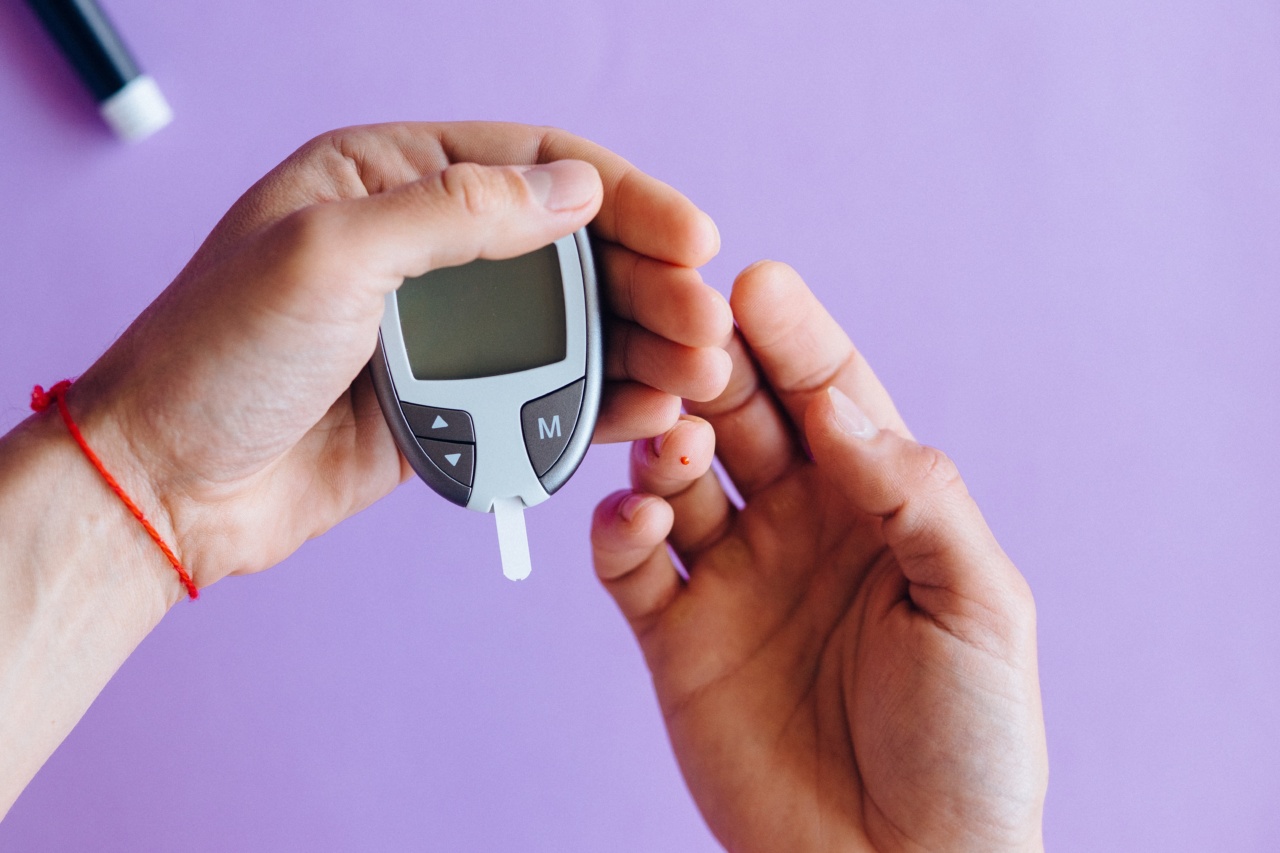
High blood sugar or hyperglycemia is a common problem among people with diabetes. It happens when the body cannot produce enough insulin or use it effectively.
As a result, glucose levels in the blood increase and cause damage to various organs and tissues. Unmanaged high blood sugar can lead to serious health complications, including:.
1. Cardiovascular Disease
High blood sugar can damage the blood vessels and increase the risk of developing heart disease and stroke. It can also cause atherosclerosis, a condition where plaque builds up inside the arteries, making them stiff and narrow.
This can lead to reduced blood flow to the heart and brain and increase the risk of heart attack or stroke. High blood sugar can also cause hypertension or high blood pressure, which is another risk factor for cardiovascular disease.
2. Diabetic Retinopathy
High blood sugar can damage the blood vessels in the retina, which is the part of the eye that detects light and sends signals to the brain. This can cause diabetic retinopathy, a condition that can lead to vision loss or blindness.
Diabetic retinopathy affects approximately 80% of people who have had diabetes for 20 years or more, but it can be prevented or slowed down with proper diabetes management.
3. Neuropathy
High blood sugar can also cause damage to the nerves, especially those in the feet and legs. This can lead to neuropathy, a condition that causes tingling, numbness, pain, or weakness in these areas.
Neuropathy can also affect other parts of the body, including the digestive system, urinary system, and sexual organs. Unmanaged neuropathy can lead to serious complications, such as foot ulcers, infections, or amputations.
4. Nephropathy
High blood sugar can damage the tiny blood vessels in the kidneys, which can lead to nephropathy, a condition that affects the kidney’s ability to filter waste products from the blood.
Nephropathy can lead to kidney failure, which requires dialysis or kidney transplant. It is estimated that nearly half of all people with diabetes will develop nephropathy at some point in their lives.
5. Skin Infections and Wounds
High blood sugar can impair the immune system’s ability to fight infections and slow down the healing of wounds. This can increase the risk of skin infections and slow down the healing of cuts, bruises, or surgical wounds.
Unmanaged high blood sugar can also increase the risk of developing fungal or bacterial infections, especially in warm and moist areas of the body, such as the armpits, groin, and under the breasts.
6. Gastroparesis
High blood sugar can also affect the muscles and nerves that control the digestive system, causing gastroparesis, a condition where food moves slowly or not at all through the stomach and into the small intestine.
This can cause nausea, vomiting, bloating, or acid reflux. Gastroparesis can also lead to poor absorption of nutrients and medications, which can worsen diabetes management and lead to other health problems.
7. Cognitive Decline
Recent studies have shown that high blood sugar can also affect brain function and increase the risk of cognitive decline and dementia, especially in older adults with diabetes.
High blood sugar can damage the blood vessels in the brain and affect the production of insulin, which is important for brain health. Diabetes management can help prevent or slow down cognitive decline and improve overall brain health.
8. Sexual Dysfunction
High blood sugar can also affect sexual function in both men and women. It can cause erectile dysfunction in men, which is the inability to achieve or maintain an erection suitable for sexual activity.
High blood sugar can also affect the blood vessels and nerves that control sexual function in women, leading to decreased sexual desire, difficulty achieving orgasm, or painful intercourse.
9. Depression and Anxiety
High blood sugar can affect both physical and mental health, leading to depression, anxiety, or other mood disorders. Diabetes can be a stressful and challenging condition to manage, which can affect quality of life and lead to emotional distress.
It is important for people with diabetes to seek support from healthcare providers, family members, or support groups to manage their condition and reduce the risk of mental health problems.
10. Foot Problems
High blood sugar can also affect the circulation and sensation in the feet, leading to foot problems such as ulcers, infections, or even amputations.
Diabetes management can help prevent or slow down the progression of foot problems, but it is important to check the feet daily for any signs of injury or infection and seek medical attention if necessary.
Conclusion
Unmanaged high blood sugar can lead to serious health complications affecting various organs and tissues in the body.
It is important to monitor blood sugar levels regularly and follow a diabetes management plan that includes proper nutrition, physical activity, medication, and healthcare monitoring. Diabetes management can help prevent or slow down the progression of these complications and improve overall health and quality of life.


