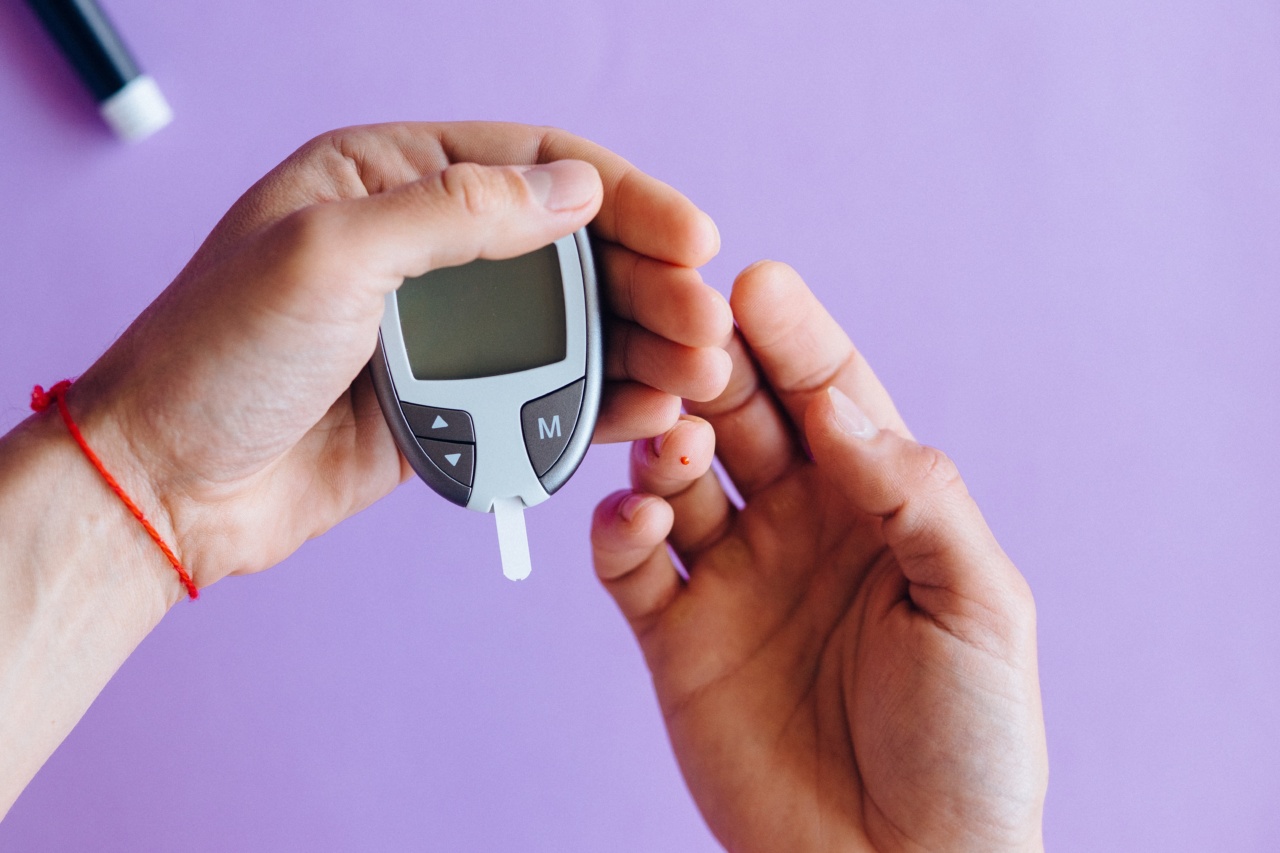
High blood sugar, also known as hyperglycemia, is a condition that occurs when the level of glucose (sugar) in your blood is higher than normal.
This can happen due to various reasons, such as diabetes, poor diet, lack of exercise, or certain medications. While most people associate high blood sugar with diabetes, it’s important to understand that even individuals without diabetes can experience this condition.
The Importance of Treating High Blood Sugar
Ignoring high blood sugar can have serious consequences on your overall health and well-being. Here are five reasons why treating high blood sugar is essential:.
1. Increased Risk of Heart Disease
One of the most significant effects of high blood sugar is an increased risk of heart disease. The excess sugar in your bloodstream can damage the lining of your arteries, leading to the development of plaque.
Over time, this plaque can restrict blood flow and increase the likelihood of heart attacks, strokes, and other cardiovascular complications.
2. Nerve Damage
High blood sugar can cause nerve damage, also known as neuropathy. This condition primarily affects the peripheral nerves, leading to symptoms such as tingling, numbness, and pain in the extremities.
Neuropathy can significantly impact your quality of life, making it crucial to manage your blood sugar levels to prevent or minimize its occurrence.
3. Impaired Kidney Function
Another serious effect of untreated high blood sugar is impaired kidney function. The kidneys play a vital role in filtering waste products from the blood.
However, when blood sugar levels remain consistently high, it can damage the tiny blood vessels in the kidneys, hinder their ability to function properly, and ultimately lead to kidney disease or even kidney failure.
4. Vision Problems
Persistent high blood sugar can cause several vision problems. The excess sugar can affect the small blood vessels in your eyes, leading to conditions such as diabetic retinopathy, cataracts, and glaucoma.
If left untreated, these conditions can result in irreversible vision loss. Regular blood sugar control and eye examinations are essential to preserving your eye health.
5. Delayed Wound Healing
Individuals with high blood sugar often experience delayed wound healing. Elevated blood sugar levels impair the body’s natural healing process, making it more challenging for wounds, cuts, or infections to heal.
This can lead to increased complications, such as infections, ulcers, or even the need for amputation in severe cases.
Conclusion
High blood sugar is a condition that should not be underestimated. It can have serious consequences on various aspects of your health, including heart health, nerve function, kidney function, vision, and wound healing.
Managing blood sugar levels through a balanced diet, regular exercise, medication (if necessary), and regular check-ups is essential to prevent or minimize these harmful effects and maintain optimal health.


