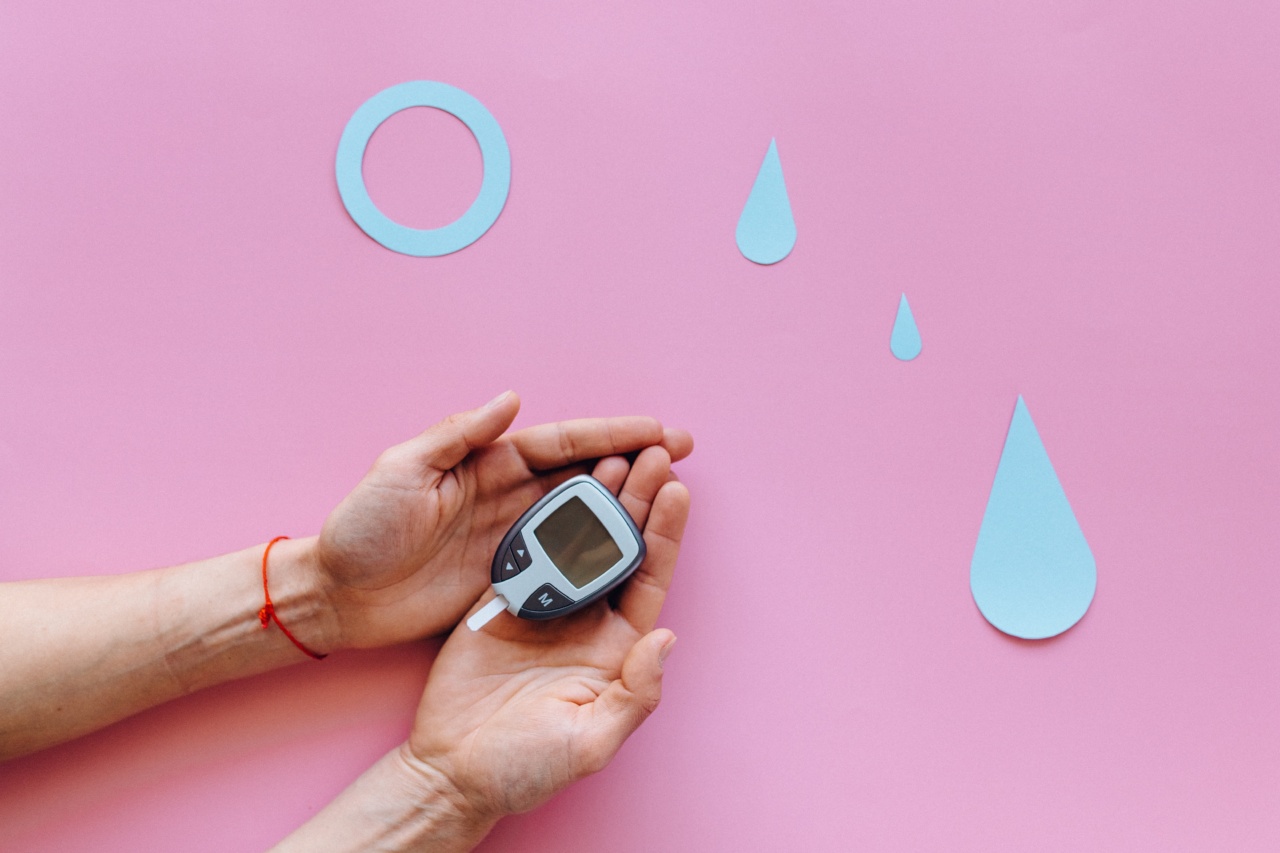
High blood sugar, also known as hyperglycemia, occurs when the level of glucose (sugar) in your blood is higher than normal. This condition is commonly associated with diabetes, particularly type 2 diabetes.
However, it can also occur in individuals without diabetes due to certain lifestyle factors or medical conditions. Uncontrolled high blood sugar can have significant impacts on your overall health and wellbeing.
In this article, we will explore the various ways in which uncontrolled high blood sugar can affect your health and why it is essential to manage your blood sugar levels properly.
1. Increased Risk of Heart Disease
One of the primary concerns associated with uncontrolled high blood sugar is an increased risk of heart disease.
Persistent high blood sugar levels can damage the blood vessels and nerves that control the heart, leading to various cardiovascular complications such as coronary artery disease, heart attack, and stroke. Moreover, high blood sugar tends to increase blood pressure and cholesterol levels, further contributing to heart problems. It is crucial to keep your blood sugar levels within the target range to minimize the risk of heart disease.
2. Nerve Damage
Uncontrolled high blood sugar can also damage the nerves throughout your body, a condition known as neuropathy.
Nerve damage can cause a range of symptoms, including pain, tingling, numbness, and muscle weakness, predominantly affecting the hands and feet. In some cases, nerve damage can be irreversible, leading to chronic pain and disability. Proper blood sugar control is vital to prevent or slow down the progression of nerve damage and mitigate its impact on your quality of life.
3. Impaired Kidney Function
Prolonged exposure to high blood sugar levels can have a detrimental effect on your kidneys. The kidneys play a critical role in filtering waste products from your blood.
However, when blood sugar is consistently high, the kidneys may become overwhelmed and unable to function optimally. This can lead to a condition known as diabetic nephropathy, where the kidneys gradually lose their ability to filter waste, resulting in kidney damage and potential kidney failure.
Well-managed blood sugar is crucial in protecting and preserving kidney function.
4. Eye Complications
Uncontrolled high blood sugar can negatively affect your eyes and vision. It can damage the blood vessels in the retina, the light-sensitive tissue at the back of the eye, leading to a condition called diabetic retinopathy.
Diabetic retinopathy can cause vision problems, including blurred vision, difficulty seeing at night, and even permanent vision loss if left untreated. Regular eye exams and maintaining stable blood sugar levels are vital for preventing or slowing the progression of diabetic retinopathy.
5. Increased Risk of Infections
Chronic high blood sugar weakens the immune system and impairs its ability to fight off infections.
This makes individuals with uncontrolled high blood sugar more susceptible to various infections such as urinary tract infections, yeast infections, and skin infections. Additionally, high blood sugar promotes the growth of bacteria and fungi, further increasing the risk of infection. Effective blood sugar management, along with proper hygiene practices, is necessary to minimize the risk of infections.
6. Delayed Wound Healing
People with uncontrolled high blood sugar often experience delayed wound healing. Elevated blood sugar levels can impair the body’s natural healing processes, leading to slow healing of cuts, sores, and wounds.
Additionally, poor blood sugar control reduces blood flow to the affected area, further hindering the healing process. Properly managing blood sugar levels is crucial for ensuring timely and efficient wound healing.
7. Dental Problems
High blood sugar contributes to various dental problems. It increases the risk of gum disease (periodontitis), which can lead to gum damage, tooth loss, and other oral health complications.
High blood sugar also lowers the ability to fight bacteria in the mouth, further exacerbating oral health issues. Maintaining stable blood sugar levels and practicing good oral hygiene, such as regular brushing and flossing, can help prevent dental problems associated with high blood sugar.
8. Mental Health Impacts
Uncontrolled high blood sugar can also have a significant impact on your mental health. Studies have shown a link between elevated blood sugar levels and an increased risk of depression, anxiety, and mood swings.
The constant fluctuations in blood sugar can affect brain chemistry and lead to hormonal imbalances, which may contribute to mental health disorders. Proper blood sugar management, alongside appropriate mental health support, is crucial for overall wellbeing.
9. Reduced Quality of Life
Living with uncontrolled high blood sugar can significantly impact your overall quality of life.
The numerous physical complications associated with high blood sugar, including those mentioned above, often lead to chronic pain, decreased mobility, and limitations on daily activities. Additionally, the emotional and mental toll of managing a chronic condition can be overwhelming. By appropriately managing blood sugar levels, individuals can minimize complications and improve their overall quality of life.
10. Higher Healthcare Costs
The consequences of uncontrolled high blood sugar can result in increased healthcare costs. The treatment and management of diabetic complications, such as heart disease, kidney damage, and eye problems, can be expensive.
Regular doctor visits, medications, and specialized treatments add up, significantly impacting both the individual and the healthcare system as a whole. Properly managing blood sugar levels can help prevent or reduce the need for extensive medical interventions, thus lowering healthcare costs.


