Cholesterol is a fatty substance found in your blood that is produced naturally by your liver.
While your body needs cholesterol to function properly, having high levels of cholesterol can increase your risk of heart disease, stroke, and other health problems. One effective way to lower your cholesterol levels is by making healthy dietary choices, including incorporating foods that are known to help lower cholesterol.
In this article, we will explore the top 10 foods that can help you maintain healthy cholesterol levels.
1. Oats
Starting your day with a bowl of oatmeal is an excellent way to reduce your cholesterol levels. Oats are high in soluble fiber, specifically a type called beta-glucan, which helps to lower LDL (bad) cholesterol without affecting HDL (good) cholesterol.
Consuming about 5-10 grams of soluble fiber daily can help lower your total and LDL cholesterol levels significantly.
2. Beans
Beans, including kidney beans, black beans, and chickpeas, are rich in soluble fiber and can help lower cholesterol levels.
They are also a great source of plant-based protein, making them an excellent choice for individuals looking to reduce their cholesterol intake from animal products.
3. Nuts
Various types of nuts, such as almonds, walnuts, and peanuts, contain healthy fats, fiber, and plant sterols, which can help lower cholesterol levels.
Incorporating a handful of nuts into your daily diet can provide numerous benefits while satisfying your snack cravings.
4. Fatty Fish
Eating fatty fish, such as salmon, mackerel, and sardines, is an excellent way to increase your intake of omega-3 fatty acids. These healthy fats have been shown to reduce inflammation, improve heart health, and lower cholesterol levels.
Aim to have at least two servings of fatty fish per week.
5. Avocado
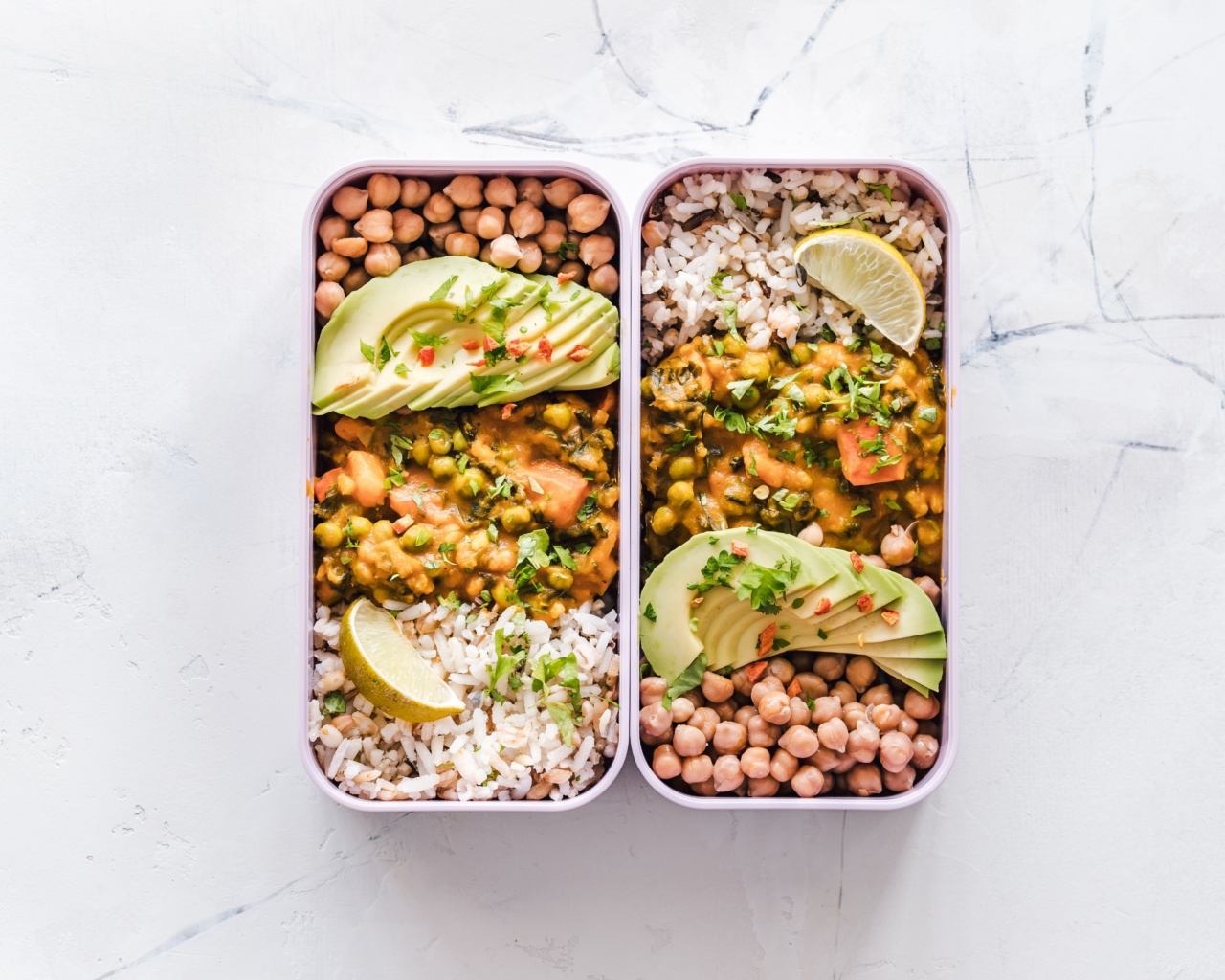
Avocados are a rich source of monounsaturated fats, which can help lower LDL cholesterol levels. Additionally, they are packed with fiber and other beneficial nutrients that promote heart health.
Incorporating avocados into your diet can help improve your cholesterol profile.
Related Article
Five Natural Ways to Help Lower Cholesterol

6. Olive Oil
Replacing saturated fats, such as butter or margarine, with heart-healthy olive oil can help lower LDL cholesterol levels. Olive oil is a staple of the Mediterranean diet, which is known for its heart-protective effects.
Use olive oil as a primary cooking oil or as a dressing for your salads.
7. Fruits and Berries
Fruits and berries, such as apples, oranges, strawberries, and blueberries, are rich in soluble fiber and antioxidants, which can help lower cholesterol levels.
Incorporate a variety of colorful fruits and berries into your diet to maximize their cholesterol-lowering benefits.
8. Soy
Soy products, including tofu, soy milk, and edamame, contain plant compounds called isoflavones, which can help lower LDL cholesterol levels.
Adding soy-based foods to your diet can provide an excellent cholesterol-lowering alternative to animal-based protein sources.
9. Dark Chocolate
Good news for chocolate lovers! Dark chocolate contains high levels of antioxidants called flavonoids, which have been shown to increase HDL cholesterol and lower LDL cholesterol levels.
To enjoy the cholesterol-lowering benefits, opt for dark chocolate with at least 70% cocoa content and consume it in moderation.
10. Green Tea
Green tea is rich in antioxidants called catechins, which can help lower LDL cholesterol levels. Regularly consuming green tea has been associated with improved heart health and reduced risk of developing heart disease.
Replace sugary beverages with a cup of green tea for a refreshing and cholesterol-fighting drink.
Conclusion
Lowering your cholesterol levels can significantly reduce your risk of heart disease and improve overall cardiovascular health.
By incorporating the top 10 cholesterol-lowering foods mentioned above, you can make positive changes to your diet and enjoy the benefits of a heart-healthy lifestyle. Remember to consult with a healthcare professional or a registered dietitian to create a personalized cholesterol-lowering plan that suits your specific needs and dietary preferences.


