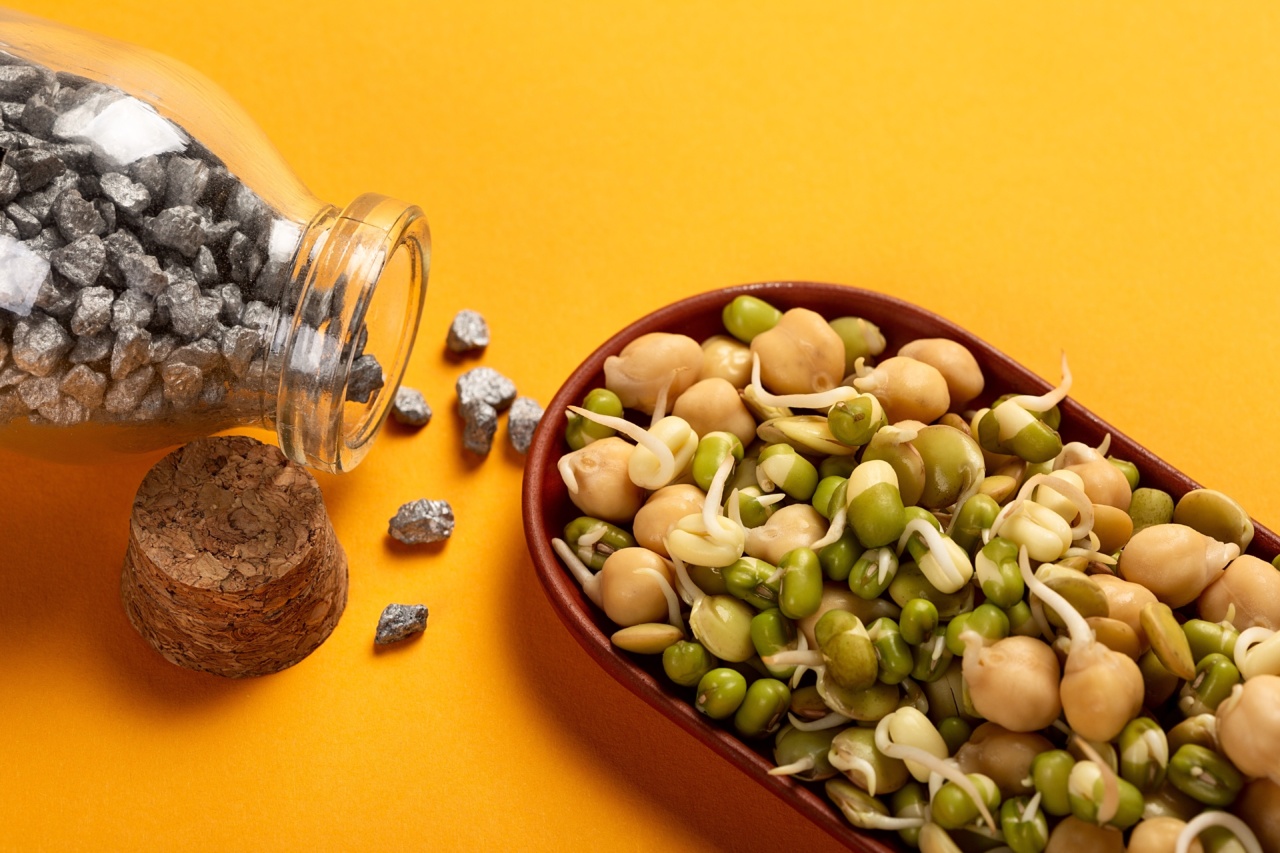
Beans are one of the most commonly consumed foods worldwide. They are an excellent source of nutrients and have been linked to numerous health benefits, including reduced risk of chronic diseases such as cancer.
In this article, we will discuss the nutrient content of beans and their anti-cancer properties.
Nutrient Content of Beans
Beans are packed with nutrients that are vital for maintaining good health. They are an excellent source of protein, fiber, and complex carbohydrates. Beans are also rich in vitamins and minerals, including folate, iron, magnesium, and potassium.
Protein Content
Beans are an excellent source of protein, particularly for vegetarians and vegans. Protein is an essential nutrient that is required for the growth and repair of tissues in the body.
One cup of cooked beans provides approximately 15g-16g of protein, which is equivalent to the protein found in one ounce of meat.
Fiber Content
Beans are an excellent source of dietary fiber, which is important for maintaining a healthy digestive system. Fiber helps to prevent constipation, reduce blood cholesterol levels, and lower the risk of heart disease.
One cup of cooked beans provides approximately 11g-16g of fiber, which is around half of the daily recommended intake of fiber for adults.
Antioxidant Content
Beans are rich in antioxidants, which help to protect the body from damage caused by free radicals. Free radicals are unstable molecules that can damage cells and contribute to the development of chronic diseases such as cancer and heart disease.
Antioxidants in beans include flavonoids, polyphenols, and carotenoids.
Anti-Cancer Properties of Beans
Beans have been found to have anti-cancer properties. Studies have shown that consuming beans on a regular basis may help to reduce the risk of certain types of cancer, including breast, colon, and prostate cancer.
Related Article
Peas, Beans and Lentils: A Protein-Packed Path to Good Health

The anti-cancer properties of beans are thought to be due to their high content of dietary fiber and antioxidants.
Colon Cancer
Beans may help to reduce the risk of colon cancer. The high content of dietary fiber in beans helps to promote regular bowel movements and prevent constipation.
This, in turn, may help to reduce the risk of colon cancer by reducing the amount of time that waste products remain in the colon.
Breast Cancer
Beans may help to reduce the risk of breast cancer. The high content of isoflavones in beans has been linked to a reduced risk of breast cancer.
Isoflavones are compounds that have estrogen-like activity in the body and may help to prevent the growth of breast cancer cells.
Prostate Cancer
Beans may help to reduce the risk of prostate cancer. The high content of antioxidants in beans may help to prevent the growth of prostate cancer cells.
Additionally, the high content of dietary fiber in beans helps to promote regular bowel movements, which may help to reduce the risk of prostate cancer.
Conclusion
Beans are a nutrient-dense and anti-cancer superfood. They are an excellent source of protein, fiber, and complex carbohydrates. Beans are also rich in vitamins and minerals, including folate, iron, magnesium, and potassium.
The anti-cancer properties of beans are due to their high content of dietary fiber and antioxidants. Consuming beans on a regular basis may help to reduce the risk of certain types of cancer, including colon, breast, and prostate cancer.


