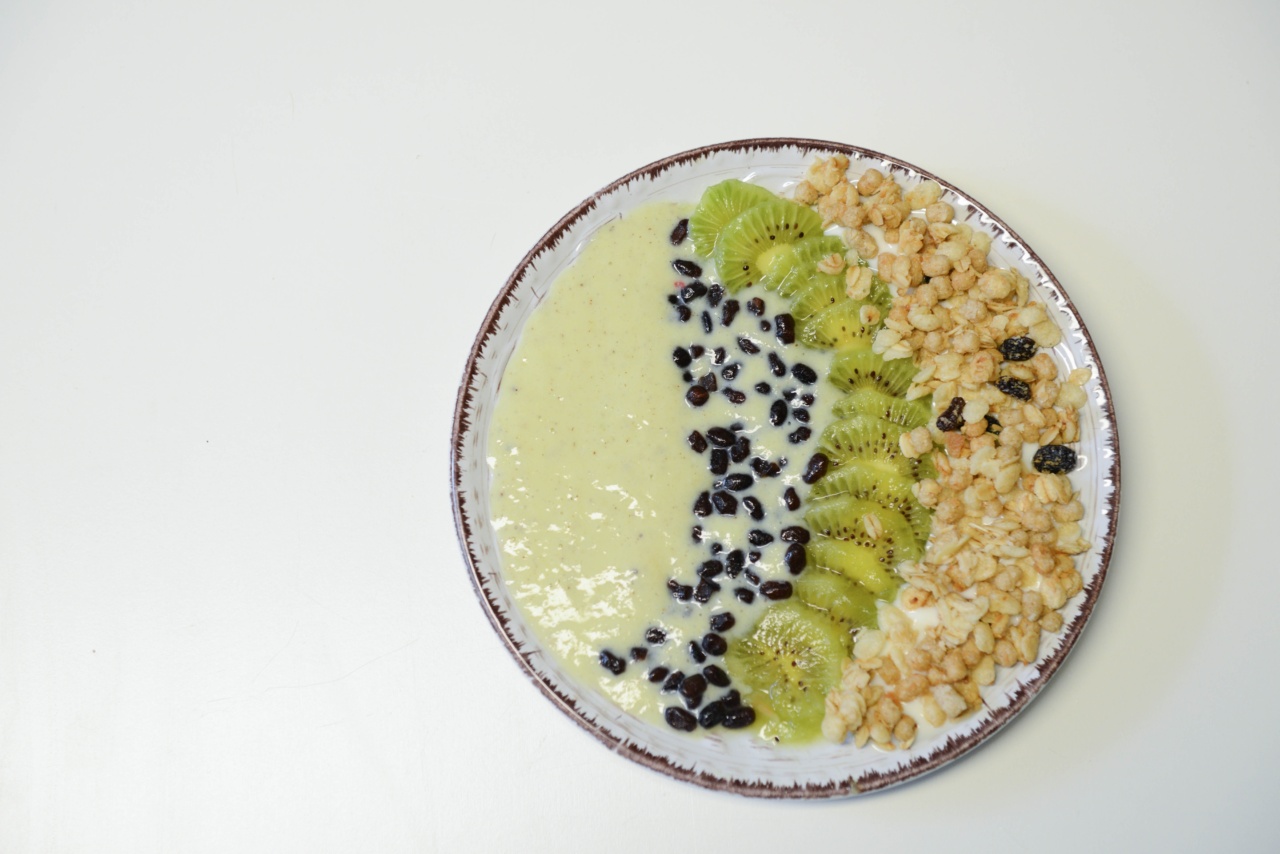
Protein is one of the essential nutrients for maintaining good health. It is necessary for building and repairing tissues, producing enzymes, hormones, and other important molecules.
Protein also helps the body to maintain healthy bones, muscles, and skin. However, getting enough protein from a plant-based diet can be challenging.
Fortunately, peas, beans, and lentils are excellent sources of protein. They are also low in fat, high in fiber, and rich in vitamins and minerals.
Including these legumes in your diet can improve your overall health and help you to meet your daily protein needs.
Peas
Peas are a type of legume that are high in protein, vitamins, and minerals. They are low in fat and calories, making them an excellent addition to any diet. One cup of cooked peas contains about 8 grams of protein.
Peas are also rich in dietary fiber, which can help to lower cholesterol levels and promote healthy digestion.
They are a good source of vitamin C, which helps to boost the immune system and maintain healthy skin, and vitamin K, which plays a role in blood clotting and bone health.
Peas can be eaten fresh or frozen. They can be added to salads, soups, stews, and stir-fries. They can also be mashed and used as a spread or dip.
Beans
Beans are another type of legume that are packed with protein, fiber, vitamins, and minerals. They are also low in fat and calories. One cup of cooked beans contains about 15 grams of protein.
Beans come in many varieties, including black beans, kidney beans, navy beans, and pinto beans. Each type of bean has a unique flavor and texture, making them a versatile ingredient in many dishes.
Beans are also a good source of iron, which helps to carry oxygen in the blood, and folate, which plays a role in cell growth and development.
Related Article
Beans: A Nutrient-dense and Anti-cancer Superfood

They are also rich in antioxidants, which can help to prevent damage to cells and reduce the risk of chronic diseases such as heart disease and cancer.
Beans can be used in a variety of dishes, including soups, stews, chili, salads, and dips. They can also be mashed and used as a spread.
Lentils
Lentils are another type of legume that are high in protein, fiber, and other essential nutrients. They are also low in fat and calories. One cup of cooked lentils contains about 18 grams of protein.
Lentils come in many varieties, including brown lentils, green lentils, and red lentils. They have a mild flavor and a firm texture, making them a good addition to many dishes.
Lentils are also a good source of iron, which helps to carry oxygen in the blood, and folate, which plays a role in cell growth and development.
They are also high in potassium, which helps to regulate blood pressure, and magnesium, which is important for bone health and muscle function.
Lentils can be used in a variety of dishes, including soups, stews, salads, and casseroles. They can also be used as a meat substitute in vegetarian dishes.
Incorporating Peas, Beans, and Lentils into Your Diet
Adding peas, beans, and lentils to your diet is easy and can be done in many ways. Here are some tips:.
- Include legumes in salads, soups, stews, and casseroles.
- Use mashed peas, beans, and lentils as a dip or spread.
- Add legumes to your favorite pasta dishes.
- Make bean burgers or vegetarian chili.
- Use lentils as a meat substitute in tacos, burritos, and other Mexican dishes.
- Add chickpeas to hummus, or use them in falafel.
The Bottom Line
Peas, beans, and lentils are excellent sources of protein, fiber, and other essential nutrients. Including these legumes in your diet can improve your overall health and help you to meet your daily protein needs.
So, go ahead and add some peas, beans, and lentils to your next meal!.


