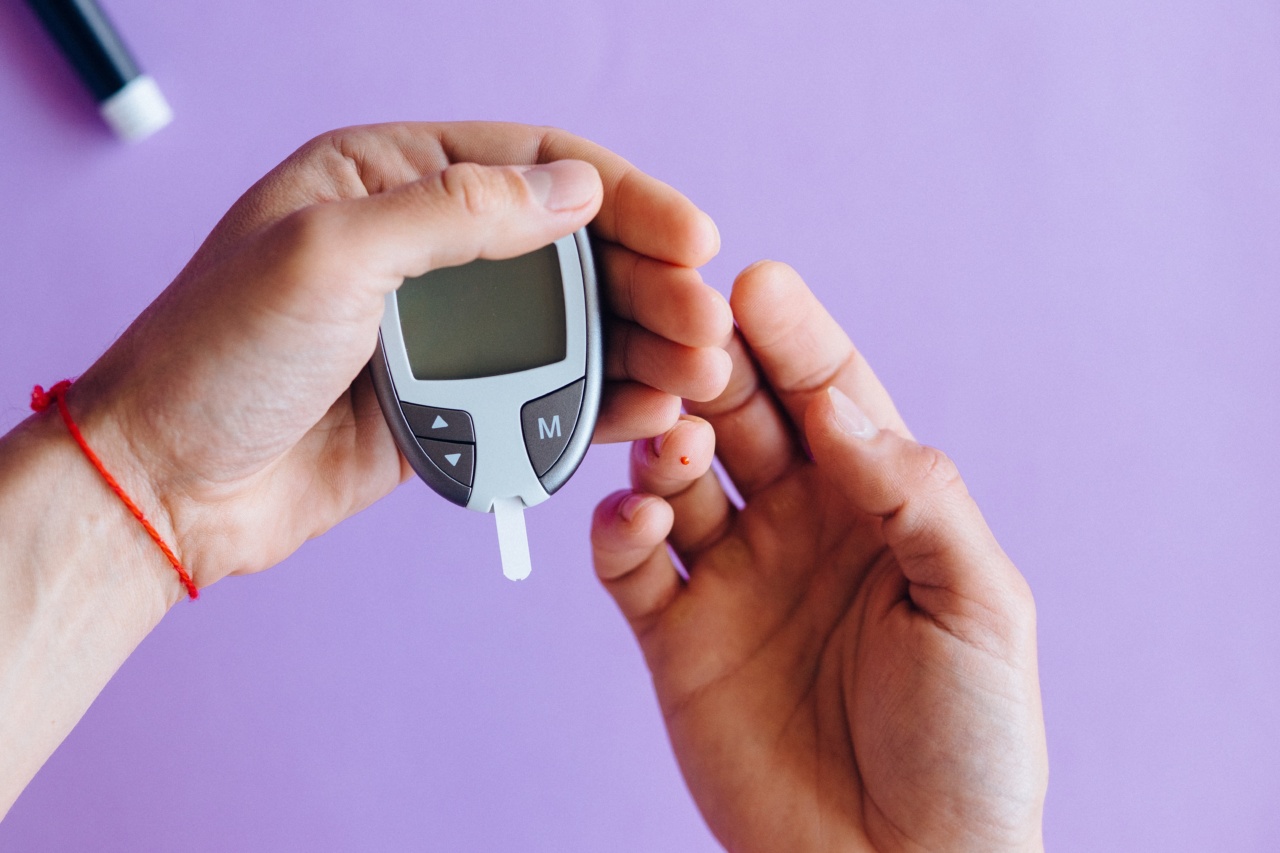
Type 2 diabetes is a chronic condition that affects millions of people worldwide. It occurs when the body becomes resistant to insulin, a hormone that regulates blood sugar levels.
As a result, glucose builds up in the bloodstream, leading to high blood sugar levels. Uncontrolled blood sugar can cause a range of health complications, including heart disease, kidney problems, nerve damage, and vision loss.
The Role of Fats in Blood Sugar Control
While carbohydrates have a significant impact on blood sugar levels, fats also play a crucial role. The type and amount of fats consumed can affect insulin sensitivity and how the body processes glucose.
Choosing the right fats can help individuals with type 2 diabetes manage their blood sugar levels effectively.
The Difference Between Good and Bad Fats
Not all fats are created equal. Some fats can have a positive impact on blood sugar control, while others can worsen insulin resistance. It’s important to understand the difference between good and bad fats to make informed dietary choices.
Good Fats to Include in Your Diet
1. Avocados: With their high monounsaturated fat content, avocados can improve insulin sensitivity and promote better blood sugar control.
2. Olive Oil: Rich in monounsaturated fats and antioxidants, olive oil has been associated with reduced inflammation and improved glycemic control.
3. Nuts and Seeds: These are excellent sources of healthy fats, fiber, and magnesium. Walnuts, almonds, chia seeds, and flaxseeds are particularly beneficial for blood sugar management.
4. Fatty Fish: Omega-3 fatty acids found in fatty fish like salmon, sardines, and mackerel have been shown to enhance insulin sensitivity and reduce the risk of heart disease among individuals with diabetes.
5. Coconut Oil: Despite being high in saturated fat, coconut oil may have potential benefits for blood sugar control. However, it should be consumed in moderation due to its calorie density.
Fats to Limit or Avoid
1. Trans Fats: Found in processed foods, fried snacks, and baked goods, trans fats raise bad cholesterol levels, lower good cholesterol levels, and increase insulin resistance. Avoid trans fats as much as possible.
2. Saturated Fats: While some saturated fats, like those in coconut oil, may have potential benefits, it’s recommended to limit overall saturated fat intake.
Related Article
How to Manage Type 2 Diabetes with Healthy Fats

Sources of saturated fats include red meat, full-fat dairy products, and high-fat processed meats.
3. Highly Processed Vegetable Oils: Vegetable oils like corn, soybean, and sunflower oil undergo extensive processing, leading to the formation of harmful compounds. These oils are often used in processed foods and should be avoided.
Practical Tips for Choosing the Right Fats
1. Read Food Labels: Check the nutrition labels of packaged foods for the type and amount of fats they contain. Opt for products that are low in saturated fats and free from trans fats.
2. Cook with Healthy Oils: Use olive oil, canola oil, or avocado oil for cooking instead of butter, lard, or other solid fats.
3. Choose Lean Protein Sources: Replace fatty cuts of meat with lean protein options such as skinless chicken, turkey, fish, or legumes.
4. Include Fatty Fish in Your Diet: Aim to consume fatty fish at least twice a week to benefit from its omega-3 fatty acids.
5. Snack on Nuts and Seeds: Replace unhealthy snacks with a handful of nuts or seeds to satisfy cravings and improve overall nutrition.
6. Add Avocado to Your Meals: Whether in salads, sandwiches, or as a topping, incorporating avocados can add healthy fats and richness to your dishes.
Conclusion
Choosing the right fats can greatly impact blood sugar control in individuals with type 2 diabetes.
Incorporating good fats like avocados, olive oil, nuts, seeds, and fatty fish into your diet can improve insulin sensitivity and promote better glycemic control. On the other hand, it’s important to limit or avoid bad fats such as trans fats, saturated fats, and highly processed vegetable oils.
By making mindful choices and following practical tips, individuals with type 2 diabetes can effectively manage their blood sugar levels and reduce the risk of complications.


