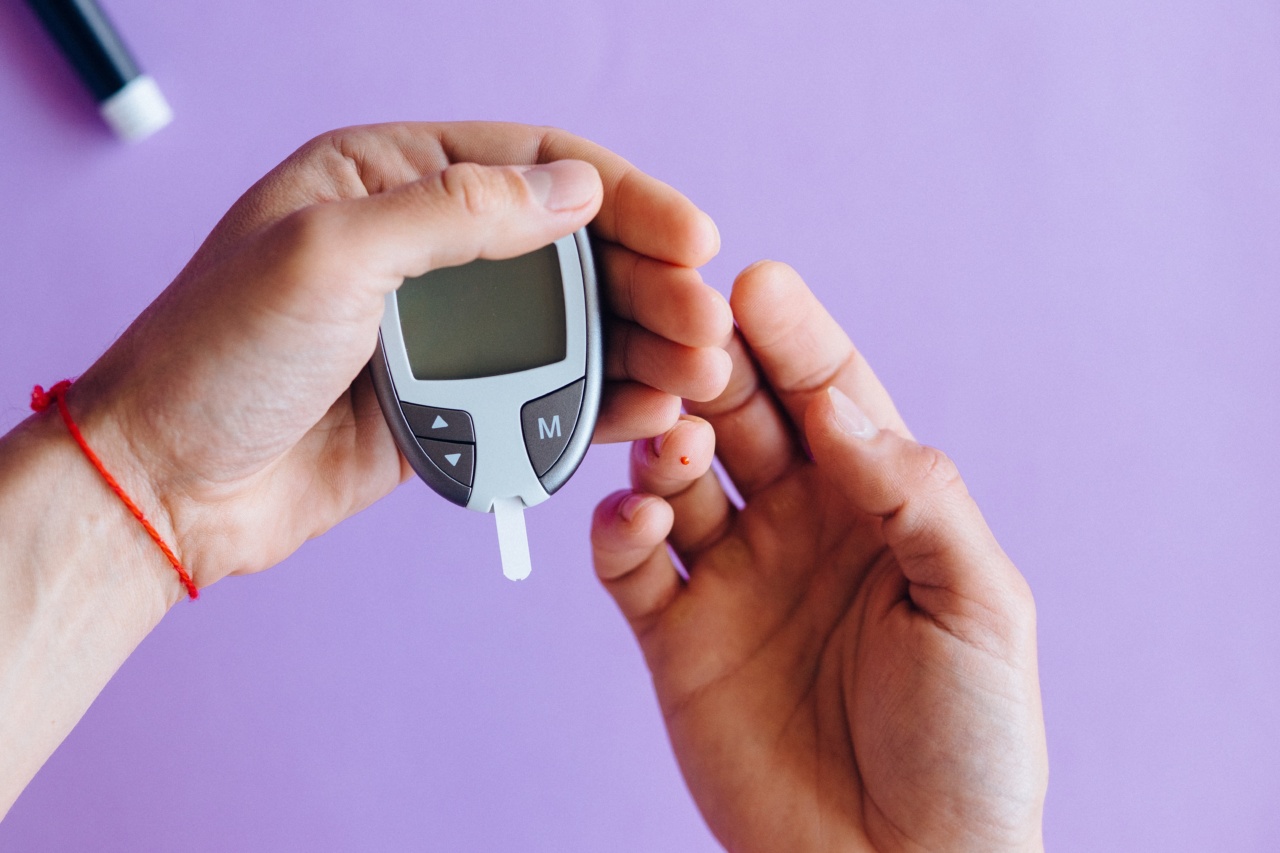
Type 2 diabetes is a chronic condition that affects the way your body metabolizes glucose, leading to elevated blood sugar levels.
Managing blood sugar is crucial for individuals with type 2 diabetes to prevent complications and maintain their overall health. While carbohydrates play a significant role in blood sugar management, the type and quantity of fats consumed also impact blood sugar levels. In this article, we will explore the best fats to combat blood sugar in type 2 diabetes.
1. Monounsaturated Fats
Monounsaturated fats are considered heart-healthy fats that are known for their ability to improve blood sugar control.
These fats help increase insulin sensitivity, allowing the body to effectively use glucose for energy rather than allowing it to accumulate in the bloodstream. Foods rich in monounsaturated fats include avocados, olive oil, nuts (such as almonds and pecans), and seeds (such as chia and flaxseeds).
2. Polyunsaturated Fats
Similar to monounsaturated fats, polyunsaturated fats are beneficial for individuals with type 2 diabetes. These fats help reduce inflammation in the body and improve insulin sensitivity.
Polyunsaturated fats are divided into two main categories: omega-3 and omega-6 fatty acids. Omega-3 fatty acids can be found in fatty fish (such as salmon and mackerel), flaxseeds, and walnuts. Omega-6 fatty acids are found in vegetable oils, such as soybean and sunflower oil.
It’s important to strike a balance between consuming omega-3 and omega-6 fatty acids to maintain optimal health.
3. Coconut Oil
Despite being a saturated fat, coconut oil has gained popularity in recent years due to its potential benefits in blood sugar management.
Coconut oil contains medium-chain triglycerides (MCTs) that are easily digested and metabolized by the body, providing a quick source of energy. Some studies suggest that MCTs can help improve insulin sensitivity and reduce insulin resistance in individuals with type 2 diabetes. However, more research is needed to fully understand the effects of coconut oil on blood sugar levels.
4. Avocado
Avocado is a nutritious fruit that is rich in monounsaturated fats, fiber, and various vitamins and minerals. Including avocado in your diet can help regulate blood sugar levels due to its high fiber content and healthy fat composition.
The monounsaturated fats in avocados can help improve insulin sensitivity and reduce the risk of heart disease, which is often associated with type 2 diabetes.
5. Olive Oil
Olive oil is a staple in Mediterranean cuisine and is known for its numerous health benefits, including its positive effects on blood sugar control.
Related Article
How to Manage Type 2 Diabetes with Healthy Fats

The monounsaturated fats present in olive oil can help lower fasting blood sugar levels and decrease insulin resistance. Additionally, consuming olive oil regularly may also help reduce inflammation and improve heart health.
6. Nuts and Seeds
Nuts and seeds are excellent sources of healthy fats, fiber, and protein. Including a variety of nuts and seeds in your diet can help regulate blood sugar levels and improve insulin sensitivity.
Almonds, pecans, walnuts, chia seeds, and flaxseeds are particularly beneficial for individuals with type 2 diabetes. You can incorporate them into your diet by sprinkling them on salads, adding them to smoothies, or enjoying them as a snack.
7. Fatty Fish
Fatty fish, such as salmon, mackerel, and sardines, are rich in omega-3 fatty acids, which have been shown to have numerous health benefits. Omega-3 fatty acids can help reduce inflammation, improve heart health, and enhance insulin sensitivity.
Including fatty fish in your diet two to three times per week can provide you with a good source of omega-3 fatty acids, contributing to better blood sugar control.
8. Chia Seeds
Chia seeds are a nutritional powerhouse and an excellent source of healthy fats, fiber, and antioxidants.
These tiny seeds are packed with omega-3 fatty acids, which can help combat inflammation, lower insulin resistance, and improve overall blood sugar control. The high fiber content in chia seeds can also slow down the digestion and absorption of carbohydrates, minimizing blood sugar spikes after meals.
9. Flaxseeds
Flaxseeds are another great source of omega-3 fatty acids, lignans, and fiber. Omega-3 fatty acids in flaxseeds can help reduce insulin resistance and improve blood sugar regulation.
The lignans present in flaxseeds have been shown to have anti-inflammatory properties and may contribute to better blood sugar control. Grinding flaxseeds before consumption can enhance their nutritional benefits by making it easier for your body to absorb.
10. Seeds
In addition to chia and flaxseeds, other seeds such as sunflower seeds and pumpkin seeds offer nutritional value for individuals with type 2 diabetes. These seeds are rich in healthy fats, fiber, vitamins, and minerals.
Including a variety of seeds in your diet can help improve blood sugar control and overall health.


