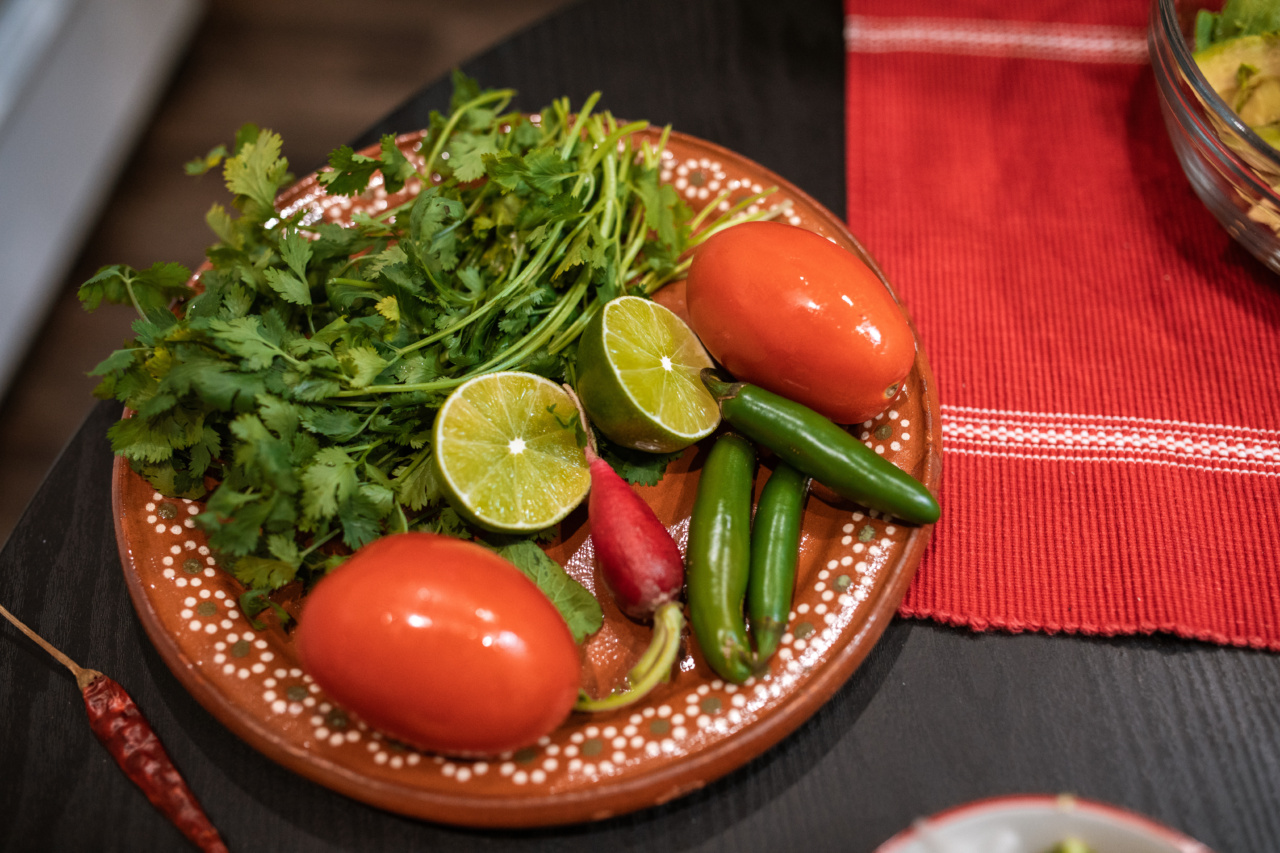
Pickled peppers are a delicious and versatile condiment that can add a burst of flavor to any dish. This recipe combines the tangy heat of peppers with the rich and aromatic flavors of garlic and coriander.
The result is a jar of pickled peppers that are perfect for snacking, adding to sandwiches, or using in a variety of recipes. Whether you’re a fan of spicy foods or just looking to try something new, these garlicky pickled peppers with coriander are sure to impress.
Ingredients:
– 1 pound of fresh peppers (any variety you prefer) – 4 cloves of garlic, peeled and sliced – 1 tablespoon coriander seeds – 1 cup apple cider vinegar – 1 cup water – 1 tablespoon salt – 2 tablespoons sugar.
Instructions:
1. Start by preparing your peppers. If you prefer milder pickled peppers, remove the seeds and membranes. If you enjoy a spicier kick, leave the seeds and membranes intact.
You can also mix and match different types of peppers to create a unique blend of flavors.
2. In a small saucepan, combine the apple cider vinegar, water, salt, and sugar. Bring the mixture to a boil, stirring until the salt and sugar dissolve completely.
3. While the vinegar mixture is coming to a boil, prepare your jars. Sterilize the jars and lids by boiling them in a large pot of water for a few minutes. Remove the jars and lids from the pot and let them air dry.
4. Divide the sliced garlic and coriander seeds evenly amongst the jars. Pack the peppers into the jars, leaving about half an inch of headspace at the top.
5. Carefully pour the hot vinegar mixture over the peppers, making sure to cover them completely. Use a knife or chopstick to remove any air bubbles and adjust the peppers if needed.
6. Place the lids on the jars and seal them tightly. Let the jars cool to room temperature before transferring them to the refrigerator.
7. Allow the peppers to pickle for at least 48 hours before using them. The longer they sit, the more the flavors will meld together and the spiciness will develop.
8. Once opened, store the pickled peppers in the refrigerator. They should keep for several months, although they are likely to be devoured long before then!.
Related Article
Spicy pickled peppers with coriander and garlic

Ways to enjoy your garlicky pickled peppers:
1. Straight from the jar: Enjoy these zesty pickled peppers straight from the jar for a spicy and tangy snack.
2. Sandwiches and burgers: Add a kick to your sandwiches and burgers by layering on a few slices of pickled peppers.
3. Salads: Chop the pickled peppers into smaller pieces and toss them into your favorite salads for an extra burst of flavor.
4. Tacos and burritos: Sprinkle some pickled peppers over your tacos or burritos to give them an extra zing.
5. Pasta dishes: Add chopped pickled peppers to pasta dishes for a unique and spicy twist.
6. Meat and cheese platters: Serve your garlicky pickled peppers alongside cured meats and cheeses for a delicious and colorful addition to any charcuterie board.
7. Homemade salsas: Chop the pickled peppers and add them to homemade salsas for an extra kick.
8. Bloody Mary: Garnish your Bloody Mary with a spicy pickled pepper for a flavorful and eye-catching cocktail.
9. Pizza topping: Add sliced pickled peppers as a topping to your homemade or ordered pizza for a burst of flavor.
10. Stir-fries and Asian dishes: Incorporate pickled peppers into stir-fries and Asian-inspired dishes for a spicy and tangy kick.
Conclusion:
These garlicky pickled peppers with coriander are a wonderful addition to any kitchen. With their bold flavors and versatility, they are sure to become a staple in your pantry.
So, why not get started on a batch of these delicious pickled peppers and elevate your culinary creations to a whole new level?.


