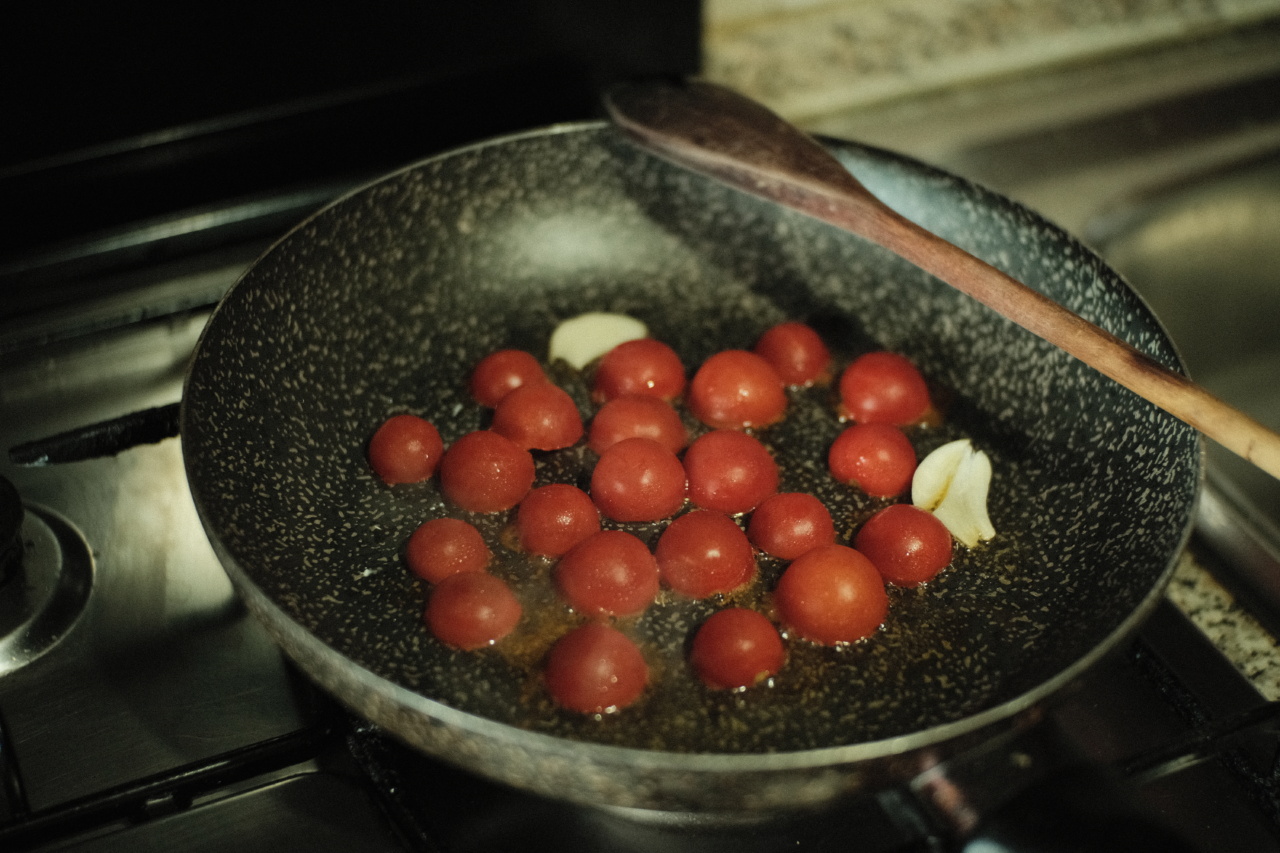
If you’re someone who loves to cook, then you know how important it is to have the right kind of oil in your kitchen.
There are so many options to choose from, and each one has its own unique properties that make it ideal for certain types of cooking. One type of oil that is becoming increasingly popular is oxidation-resistant oil. This type of oil is specifically designed for high-temperature cooking, making it perfect for frying, searing, and sautéing.
What is Oxidation-Resistant Oil?
Oxidation-resistant oil is a type of oil that has been specially designed to withstand high temperatures without breaking down and oxidizing.
When oils are exposed to high temperatures, they can start to break down and produce harmful compounds, such as acrolein and other aldehydes. These compounds can be harmful to the body and can also negatively impact the flavor and aroma of the food being cooked.
Oxidation-resistant oil is typically made from oils that are naturally high in saturated fats or that have been modified to be more resistant to oxidization. Some examples of this type of oil include coconut oil, palm oil, and high-oleic sunflower oil.
These oils have a higher smoke point than other cooking oils, which means they can be heated to a higher temperature without breaking down.
Benefits of Using Oxidation-Resistant Oil
There are many benefits to using oxidation-resistant oil in your cooking. Some of the most notable include:.
- Improved flavor and aroma
- Reduced risk of harmful compounds being produced
- Higher smoke point
- Longer shelf life
- Stable at high temperatures
- Less likely to go rancid
Uses for Oxidation-Resistant Oil
Oxidation-resistant oil is perfect for any type of high-temperature cooking, including frying, sautéing, and searing.
It is also a great choice for baking, as it can withstand the high temperatures that are often required for baked goods to rise and develop that perfect golden-brown color.
Related Article
High-Fat Oil Resists Oxidation in Frying

In addition to its use in cooking, oxidation-resistant oil is also a great choice for salad dressings, marinades, and other cold dishes. Its stable nature and long shelf life make it a practical choice for a wide range of culinary applications.
Choosing the Right Oxidation-Resistant Oil
When choosing an oxidation-resistant oil, there are several things to consider. The first is the smoke point of the oil.
Different oils have different smoke points, so it’s important to choose an oil that can handle the temperatures you’ll be cooking at. Some oils, like coconut and palm oil, have smoke points of around 350 degrees Fahrenheit, while others, like high-oleic sunflower oil, have smoke points that can reach up to 450 degrees Fahrenheit.
Another consideration is the flavor and aroma of the oil. Some oils, like coconut oil, have a distinct coconut flavor and aroma that can be overpowering in certain dishes.
Others, like high-oleic sunflower oil, have a neutral flavor and aroma that won’t compete with other ingredients.
Finally, it’s important to consider the overall quality of the oil. Look for oils that are organic, non-GMO, and cold-pressed whenever possible. These oils will be of higher quality and will have a more robust flavor and aroma.
Conclusion
Oxidation-resistant oil is a fantastic choice for high-temperature cooking. It is stable, long-lasting, and can withstand the high temperatures needed for frying, sautéing, and searing.
When choosing an oxidation-resistant oil, be sure to consider the smoke point, flavor, and overall quality of the oil to ensure that you’re getting the best possible product for your cooking needs.


