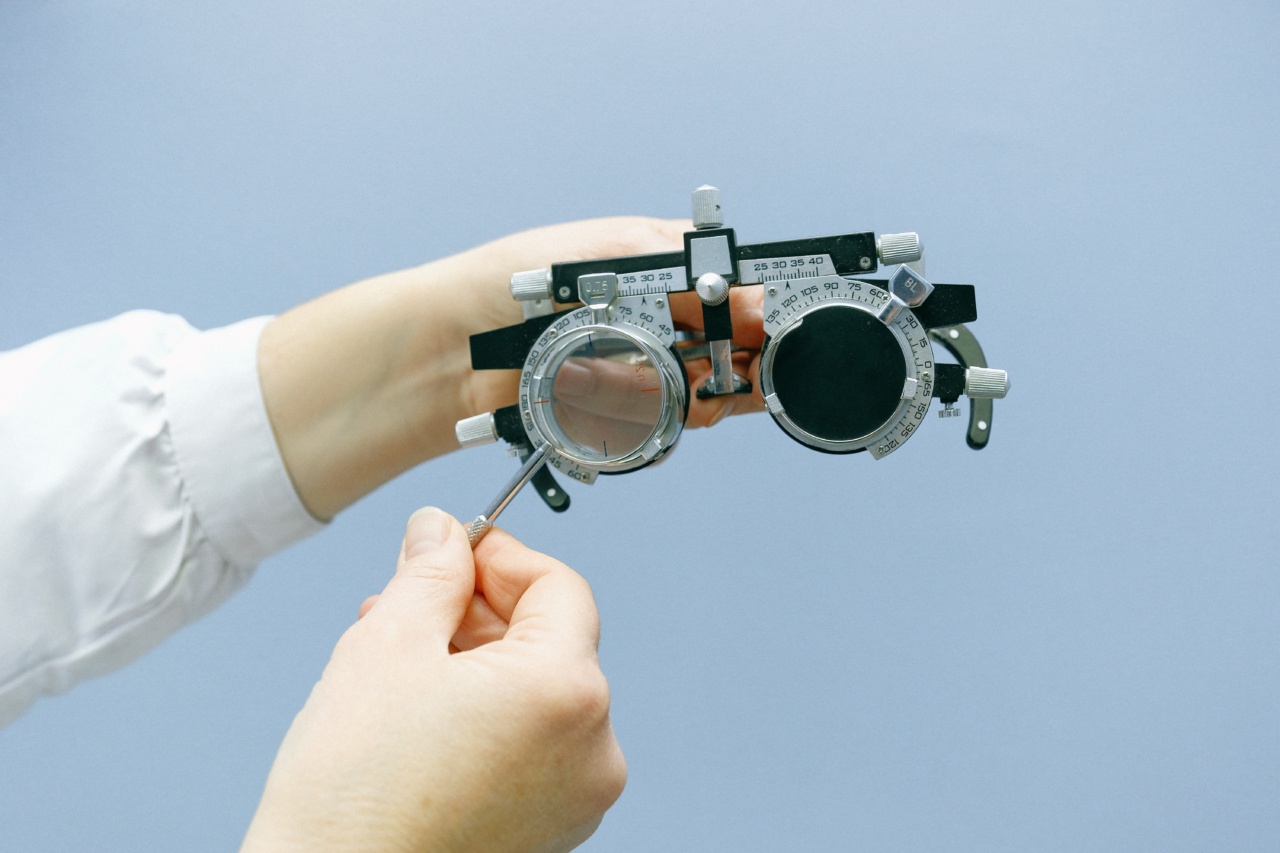
Our eyes are incredibly complex organs that play a crucial role in our daily lives. However, just like any other part of the body, they are susceptible to various conditions and diseases.
Some eye problems can be easily diagnosed by a doctor through a comprehensive eye examination. In this article, we will explore ten common eye conditions that doctors can quickly identify.
1. Conjunctivitis
Conjunctivitis, also known as pink eye, is a common eye condition characterized by inflammation of the conjunctiva. This thin, clear tissue covers the white part of the eye and lines the inside of the eyelid.
It can be caused by allergies, viral or bacterial infections, or irritants such as smoke or dust. Doctors can diagnose conjunctivitis by examining the eye, looking for symptoms like redness, itching, tearing, and discharge.
2. Dry Eye Syndrome
Dry eye syndrome occurs when the eyes do not produce enough tears or when the tears evaporate too quickly. This condition can result in discomfort, a gritty sensation, blurred vision, and excessive tearing.
Doctors can diagnose dry eye syndrome by evaluating the signs and symptoms, measuring tear production, and assessing the quality of tears.
3. Cataracts
Cataracts are clouding of the eye’s lens, which results in blurred or hazy vision. This condition may develop as a natural part of aging, due to injury, or as a side effect of certain medications.
Doctors can diagnose cataracts through a comprehensive eye examination, including a visual acuity test, slit-lamp examination, and retinal examination.
4. Glaucoma
Glaucoma refers to a group of eye diseases that can damage the optic nerve, leading to vision loss or even blindness. This condition is often associated with increased intraocular pressure.
Doctors can diagnose glaucoma through various tests, such as tonometry to measure eye pressure, visual field testing to assess peripheral vision, and optic nerve examination.
5. Macular Degeneration
Age-related macular degeneration (AMD) is a common eye condition that affects the macula, the central part of the retina responsible for sharp, central vision. It typically occurs in older adults and may result in blurred or distorted vision.
Related Article
Top 5 eye diseases that can be diagnosed by an ophthalmologist

Doctors can diagnose AMD by evaluating symptoms, conducting a comprehensive eye examination, and ordering specialized tests such as fluorescein angiography or optical coherence tomography (OCT).
6. Retinal Detachment
Retinal detachment occurs when the retina, the layer of tissue at the back of the eye, lifts or pulls away from its normal position. This separation can lead to vision loss if not promptly treated.
Doctors can diagnose retinal detachment by examining the eye using an ophthalmoscope and may order additional tests such as ultrasound or optical coherence tomography to confirm the diagnosis.
7. Blepharitis
Blepharitis is an inflammation of the eyelids, usually caused by bacterial or fungal infection, allergic reactions, or skin conditions such as acne rosacea. It can lead to symptoms like redness, itching, swelling, and crusting of the eyelids.
Doctors can diagnose blepharitis by examining the eyelids and eyelashes, checking for signs of inflammation, and identifying the underlying cause.
8. Corneal Ulcers
A corneal ulcer is an open sore on the cornea, the clear front surface of the eye. It can be caused by infection, injury, or underlying diseases such as dry eye syndrome.
Doctors can diagnose corneal ulcers by examining the eye using a slit lamp microscope, looking for signs of inflammation, fluid accumulation, or the presence of infectious agents.
9. Ptosis
Ptosis, commonly known as droopy eyelid, occurs when the upper eyelid droops downward, partially obstructing the visual field. It can be caused by age-related weakening of the muscles, nerve damage, or congenital factors.
Doctors can diagnose ptosis through a physical examination, assessing the position and movement of the eyelid and identifying potential underlying causes.
10. Presbyopia
Presbyopia is an age-related condition in which individuals experience difficulty focusing on close objects. It occurs when the lens of the eye loses flexibility, resulting in the inability to adjust focus.
Doctors can diagnose presbyopia through a comprehensive eye examination, evaluating near and distance visual acuity and conducting additional tests to rule out other eye conditions.


