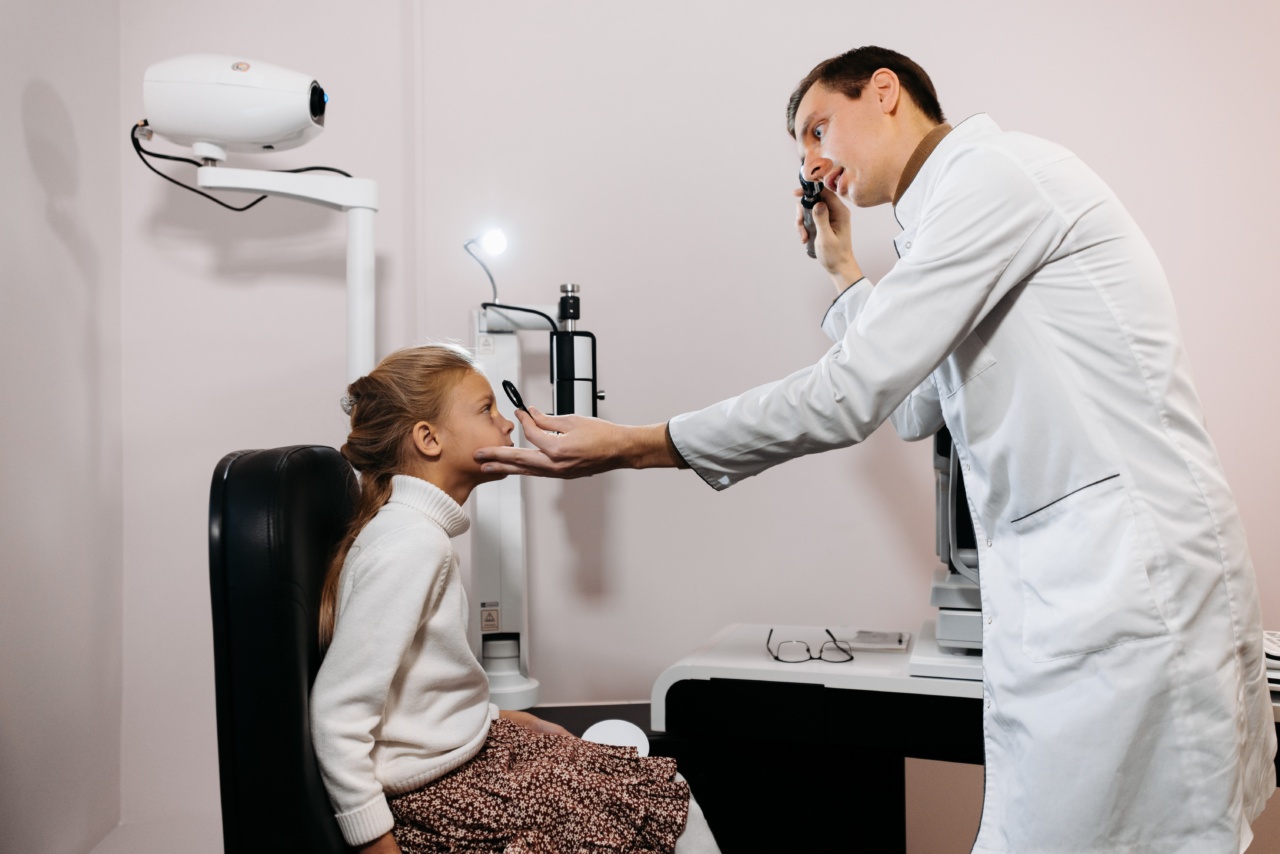
Our eyes are vital organs that play a crucial role in our daily lives, allowing us to see and experience the world around us.
However, just like any other part of our body, our eyes are susceptible to various diseases and conditions that can affect our vision and overall eye health. It is important to be aware of these common eye diseases and seek prompt diagnosis and treatment from an ophthalmologist.
1. Cataracts
Cataracts are one of the most common age-related eye conditions and are characterized by the clouding of the lens inside the eye.
This clouding often leads to blurry vision, difficulty seeing in low light conditions, increased sensitivity to glare, and problems with color perception. Cataracts can gradually worsen over time, significantly affecting a person’s ability to perform daily activities.
Fortunately, cataract surgery is a highly successful procedure that can remove the cloudy lens and replace it with an artificial lens, restoring clear vision.
2. Glaucoma
Glaucoma is a group of eye diseases that cause damage to the optic nerve, which transmits visual information from the eye to the brain.
The most common type of glaucoma, called primary open-angle glaucoma, is often associated with increased pressure inside the eye. If left untreated, glaucoma can result in gradual vision loss, starting with peripheral vision and eventually leading to total blindness.
Regular eye exams are crucial for detecting glaucoma early, as it can be managed with eye drops, oral medications, laser therapy, or surgery.
3. Age-Related Macular Degeneration (AMD)
Age-related macular degeneration is a progressive eye disease that affects the macula, the central part of the retina responsible for sharp, central vision. AMD is one of the leading causes of vision loss among older adults.
Related Article
Top 5 eye diseases that can be diagnosed by an ophthalmologist

There are two types of AMD: dry AMD, which is characterized by the presence of drusen (yellow deposits) in the macula, and wet AMD, which involves the growth of abnormal blood vessels beneath the macula. While there is no cure for AMD, certain treatments such as drugs injected into the eye can help slow down its progression and preserve vision.
4. Diabetic Retinopathy
Diabetic retinopathy is an eye disease that affects individuals with diabetes. It occurs when high blood sugar levels damage the blood vessels in the retina, leading to vision problems.
In the early stages, diabetic retinopathy may not cause noticeable symptoms. However, as the disease progresses, it can cause blurred or fluctuating vision, floaters, poor night vision, and even total vision loss.
Strict control of blood sugar levels, regular eye exams, and timely intervention can help prevent or manage diabetic retinopathy.
5. Dry Eye Syndrome
Dry eye syndrome occurs when the eyes do not produce enough tears or the tears evaporate too quickly. This can result in symptoms such as stinging or burning sensation, redness, blurry vision, and discomfort when wearing contact lenses.
Dry eye syndrome can be caused by various factors, including age, hormonal changes, certain medications, environmental factors, and underlying health conditions. Treatment options for dry eye syndrome include artificial tears, medicated eye drops, lifestyle changes, and in severe cases, punctal plugs to help retain moisture in the eyes.
Conclusion
Regular eye examinations by an ophthalmologist are essential in detecting and managing common eye diseases. Early diagnosis and treatment can significantly improve the prognosis and prevent vision loss or complications.
Remember to schedule routine eye check-ups to ensure the health and well-being of your eyes.


