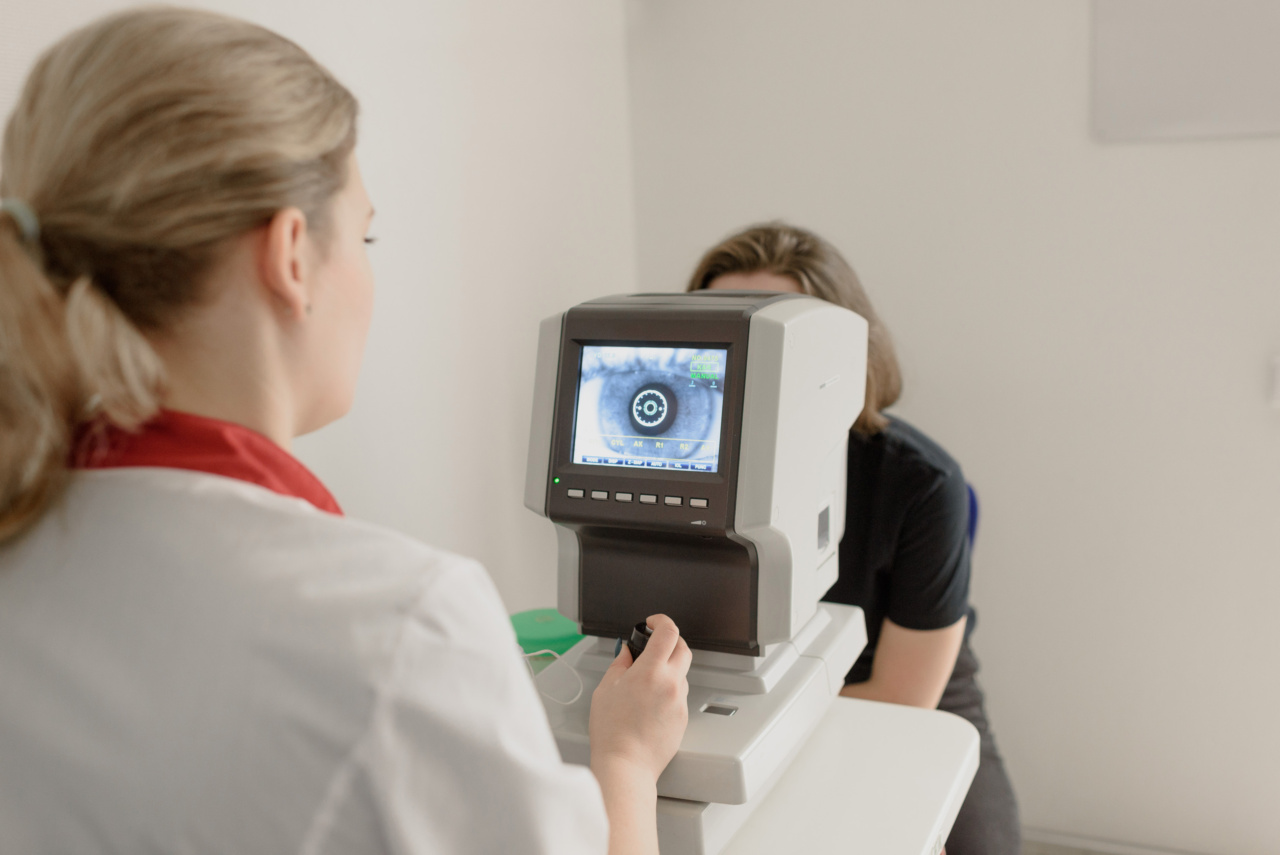
Our eyes are one of the most important organs in our body, allowing us to see the world around us. However, just like any other part of our body, our eyes are prone to diseases.
Eye diseases are commonly diagnosed by eye specialists, also known as ophthalmologists or optometrists, who are trained to identify and treat various eye problems.
Cataracts
Cataracts are a common eye disease that causes clouding of the lens in the eye. As a result, people with cataracts experience blurry vision, decreased visual clarity, and sensitivity to glare.
Aging is the most common cause of cataracts, but other risk factors include exposure to UV radiation, smoking, and certain medications. Treatment options include cataract surgery, where the cloudy lens is replaced with an artificial one.
Glaucoma
Glaucoma is a group of eye diseases that damage the optic nerve, leading to vision loss and blindness if left untreated. It is often associated with elevated pressure within the eye, but can also occur with normal eye pressure.
Symptoms of glaucoma are often not noticeable until the later stages of the disease. Factors that increase the risk of glaucoma include age, family history, and certain medical conditions like high blood pressure and diabetes. Treatment options include prescription eye drops, laser surgery, and traditional surgery.
Dry Eye Syndrome
Dry Eye Syndrome is a condition in which the eyes do not produce enough tears, or produce poor-quality tears, leading to dryness, redness, and irritation.
Risks factors for dry eye syndrome include aging, certain medications, hormonal changes, and environmental factors like windy or dry climates. Treatment options include artificial tears, prescription eye drops, and in severe cases, tear duct plugs or surgery.
Macular Degeneration
Macular Degeneration is a progressive eye disease that affects the macula, the central part of the retina responsible for our sharp, central vision. It is the leading cause of blindness in people over the age of 50.
There are two types of macular degeneration, dry and wet. Dry macular degeneration is more common and progresses slowly, while wet macular degeneration progresses quickly and can cause more severe vision loss. Risk factors for macular degeneration include aging, family history, smoking, and obesity.
Although there is no cure, there are treatment options to slow or prevent further vision loss, including injection therapies, laser therapy, and dietary supplements.
Diabetic Retinopathy
Diabetic retinopathy is a condition that can occur in people with diabetes, caused by damage to the blood vessels of the retina. Symptoms include blurred vision, dark floaters, and vision loss. This condition can lead to blindness if left untreated.
Risk factors for diabetic retinopathy include poor blood sugar control, high blood pressure, and high cholesterol. Treatment options include laser surgery, injection therapy, and medications to control blood sugar and other health conditions.
Related Article
Top 5 eye diseases that can be diagnosed by an ophthalmologist

Conjunctivitis
Conjunctivitis, also known as pink eye, is an inflammation of the conjunctiva, the thin layer of tissue that covers the front of the eye. Symptoms include redness, itching, tearing, and discharge from the eye.
It can be caused by a bacterial or viral infection, environmental factors like allergies, or exposure to chemicals. Treatment options depend on the cause and may include prescription eye drops, compresses, or antibiotics.
Retinal Detachment
Retinal detachment is a serious condition that occurs when the retina, the light-sensitive layer at the back of the eye, detaches from the underlying tissue.
Symptoms include sudden vision loss, the appearance of flashes or floaters, and the sensation of a curtain or veil across the field of vision. Risk factors for retinal detachment include aging, previous eye surgery, and certain eye conditions like nearsightedness. Treatment options include surgery to reattach the retina and prevent further vision loss.
Refractive Errors
Refractive errors are common eye problems that occur when the shape of the eye prevents light from focusing properly on the retina, resulting in blurred vision.
The four main types of refractive errors are myopia (nearsightedness), hyperopia (farsightedness), astigmatism, and presbyopia (age-related loss of near vision). Risk factors for refractive errors include genetics, age, and certain medical conditions like diabetes. Treatment options include prescription eyeglasses or contact lenses, laser surgery, and implantable lenses.
Amblyopia
Amblyopia, also known as lazy eye, is a condition that occurs when one eye does not develop proper vision during childhood. It can be caused by factors like strabismus (crossed eyes) or significant differences in the prescription between each eye.
Treatment options include patching the strong eye to force the weaker eye to work harder, and corrective glasses or contact lenses.
Strabismus
Strabismus is a condition in which the eyes do not align properly. This can cause double vision, difficulty with depth perception, and eye strain.
Strabismus can be caused by a variety of factors, including genetics, muscle weaknesses, and neurological problems. Treatment options include corrective glasses or contact lenses, eye patches, and surgery to realign the eyes.
If you are experiencing any vision problems or have concerns about your eye health, it is important to seek advice from your eye specialist.
Regular eye exams can help detect eye diseases early, allowing for prompt treatment and preserving your vision for the future.


