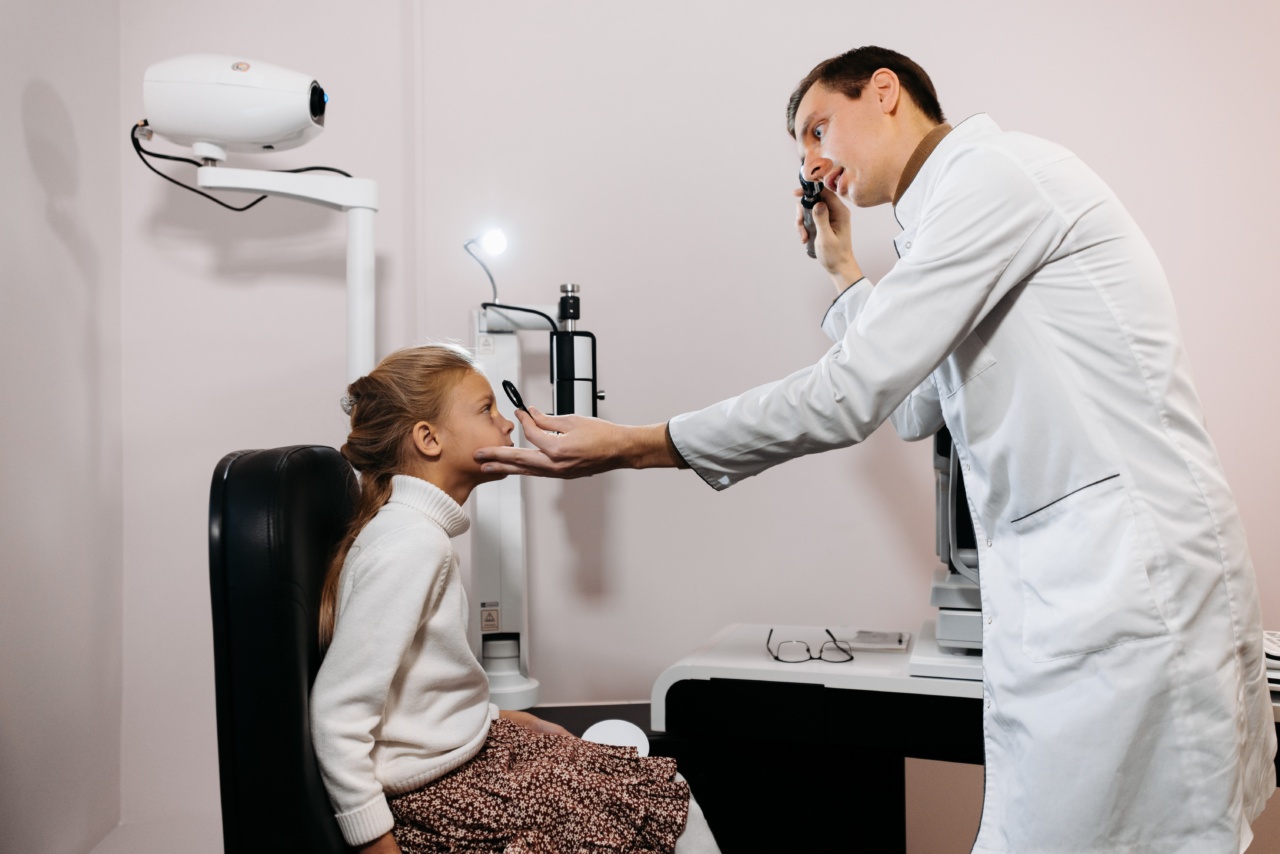
Eye diseases are one of the most common health concerns for people of all ages. It is important to have regular eye checkups to maintain good eye health. Ophthalmologists are doctors who specialize in eye care.
They have the knowledge and skills to diagnose and treat eye diseases. In this article, we will cover the top 5 eye diseases that can be diagnosed by an ophthalmologist.
Cataracts
Cataracts are the most common eye disease in people above the age of 40. It is the clouding of the natural lens in the eye, which leads to blurred vision.
Cataracts can be diagnosed through a comprehensive eye exam that includes a slit-lamp examination, visual acuity test, and a dilated eye exam. Treatment for cataracts involves surgery to remove the clouded lens and replace it with an artificial one.
Glaucoma
Glaucoma is a group of eye diseases that damage the optic nerve, leading to vision loss. It is often referred to as the “silent thief of sight” because it can cause permanent and irreversible vision loss without any symptoms.
An ophthalmologist can diagnose glaucoma by measuring the fluid pressure inside the eye, conducting a dilated eye exam, and checking the optic nerve for damage. Treatment options for glaucoma include eye drops, laser surgery, and traditional surgery.
Age-related macular degeneration
Age-related macular degeneration (AMD) is a condition that affects the central part of the retina, the macula. It leads to a gradual loss of central vision, making it difficult to see fine details, read, or recognize faces.
Related Article
Most common eye diseases that a specialist can detect

An ophthalmologist can diagnose AMD through a comprehensive dilated eye exam, along with an Amsler grid test and optical coherence tomography (OCT). Treatment for AMD may involve lifestyle changes, nutritional supplements, or medication, depending on the stage of the disease.
Diabetic retinopathy
Diabetic retinopathy is a complication of diabetes that affects the blood vessels in the retina. It can cause blood vessels to leak, leading to blurry vision, difficulty seeing at night, and eventually vision loss.
Ophthalmologists can diagnose diabetic retinopathy through a comprehensive dilated eye exam, along with a fluorescein angiography test and optical coherence tomography (OCT). Treatment for diabetic retinopathy often involves controlling blood sugar, blood pressure, and cholesterol levels, along with laser surgery or injections of medication directly into the eye.
Dry eye syndrome
Dry eye syndrome is a condition in which the eyes do not produce enough tears, leading to discomfort, redness, and blurred vision.
An ophthalmologist can diagnose dry eye syndrome by conducting a comprehensive eye exam and evaluating the patient’s symptoms. Treatment for dry eye syndrome includes the use of artificial tears, prescription eye drops, and lifestyle changes, such as avoiding environmental irritants and taking regular breaks when using digital devices.
Conclusion
Eye diseases can have a significant impact on a person’s daily life, which is why regular eye checkups are essential. Ophthalmologists are trained to diagnose and treat a wide range of eye diseases.
The top five eye diseases that can be diagnosed by an ophthalmologist include cataracts, glaucoma, age-related macular degeneration, diabetic retinopathy, and dry eye syndrome. If you experience any symptoms of these conditions, it is important to contact an ophthalmologist as soon as possible.


